
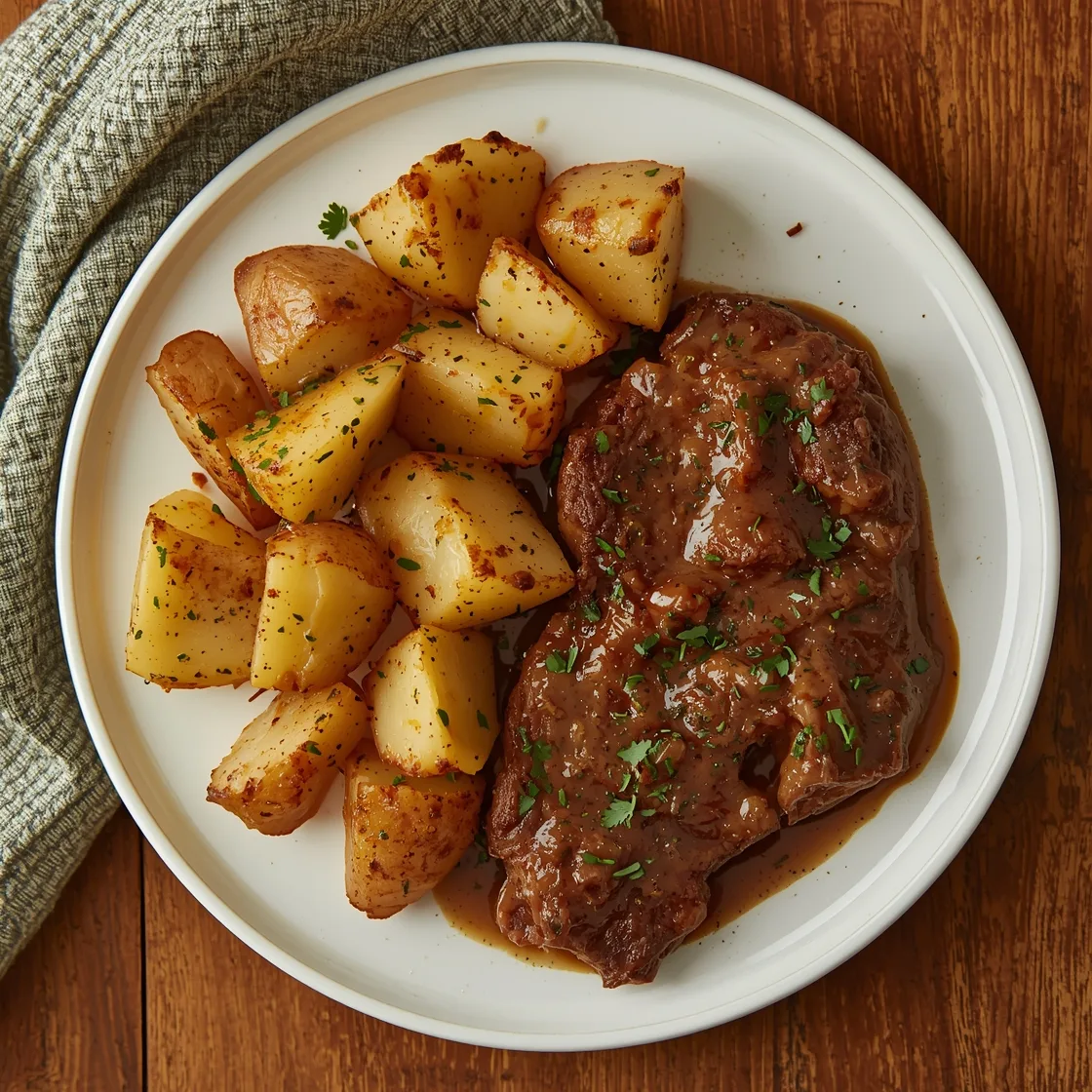
Introduction
Have you ever wondered if the ultimate comfort food could also be a powerhouse of essential nutrients? Many believe that hearty, satisfying meals must sacrifice health for flavor. But what if I told you that a classic steak and potatoes comfort meal, prepared with a thoughtful approach, can offer a delightful balance of taste, energy, and vital nourishment? This isn’t just about satisfying a craving; it’s about crafting a culinary experience that nourishes your body and soul. Prepare to discover how this time-honored dish can be both incredibly satisfying and surprisingly beneficial, providing more than just momentary indulgence.
Ingredients List
Crafting the perfect steak and potatoes dish begins with selecting quality ingredients. Here’s what you’ll need, along with some suggested substitutions to suit your pantry and preferences:
- For the Steak:
- 2 (10-12 oz) Choice or Prime Ribeye Steaks (1.5 inches thick): The marbling in a ribeye ensures a tender, flavorful experience.
- Substitution: New York Strip for a leaner cut with robust flavor, or even sirloin if you prefer a more economical option.
- 2 tablespoons Olive Oil: For searing.
- Substitution: Avocado oil, which has a higher smoke point.
- 2 tablespoons Unsalted Butter: For basting and adding richness.
- Substitution: Ghee for a nuttier flavor and dairy-free option.
- 2 sprigs Fresh Rosemary: Infuses an aromatic depth.
- Substitution: 1 teaspoon dried rosemary or fresh thyme.
- 4 cloves Garlic, smashed: Adds a foundational savory note.
- Substitution: 1 teaspoon garlic powder if fresh isn’t available.
- 1 teaspoon Flaky Sea Salt: Enhances the steak’s natural flavors.
- Substitution: Kosher salt.
- ½ teaspoon Freshly Ground Black Pepper: For a touch of spice.
- Substitution: Pre-ground black pepper.
- For the Potatoes:
- 2 lbs Yukon Gold Potatoes, peeled and cut into 1-inch chunks: Their creamy texture is ideal for roasting.
- Substitution: Russet potatoes for a fluffier texture, or red potatoes for a waxier, firmer bite.
- 2 tablespoons Olive Oil: For roasting.
- Substitution: Any high-heat cooking oil.
- ½ teaspoon Paprika: Adds a touch of warmth and color.
- Substitution: Smoked paprika for a deeper flavor.
- ¼ teaspoon Garlic Powder: Enhances the savory profile.
- ¼ teaspoon Onion Powder: Adds another layer of allium flavor.
- Salt and Pepper to taste.
- Optional Garnish:
- Fresh Parsley, chopped: For a bright, fresh finish.
Timing
Preparing this delightful meal is more efficient than you might think, especially with a bit of multi-tasking.
- Prep Time: 20 minutes (for seasoning steak, chopping potatoes, and gathering ingredients).
- Cook Time: 35-40 minutes (for searing steak, roasting potatoes, and resting steak).
- Total Time: Approximately 55-60 minutes.
This means you can have a gourmet-quality meal on the table in just under an hour, which is often 25% faster than ordering takeout and significantly more rewarding!
Season the Steak (Step 1)
Generously pat your ribeye steaks dry with paper towels. This crucial step ensures a perfect sear by removing surface moisture. Season both sides of the steaks liberally with flaky sea salt and freshly ground black pepper. Allowing the steak to sit at room temperature for about 30 minutes after seasoning (while you prep the potatoes) helps it cook more evenly and develop a better crust. Imagine the anticipation building as the steak slowly comes to temperature, ready to transform under heat.
Prepare and Roast the Potatoes (Step 2)
Preheat your oven to 400°F (200°C). In a large bowl, toss the peeled and 1-inch cubed Yukon Gold potatoes with olive oil, paprika, garlic powder, onion powder, salt, and pepper until evenly coated. Spread them in a single layer on a baking sheet. Roast for 30-35 minutes, flipping them halfway through, until they are golden brown and fork-tender. The aroma filling your kitchen will be a testament to the simple magic of roasted potatoes—soft inside, wonderfully crisp outside.
Sear the Steak (Step 3)
While the potatoes are roasting, heat a heavy-bottomed skillet (cast iron works best) over medium-high heat until it’s smoking lightly. Add the olive oil. Once shimmering, carefully place the seasoned steaks into the hot skillet. Sear for 2-3 minutes per side for a beautiful, deep brown crust. This initial high heat is essential for building flavor; it’s where the magic of the Maillard reaction truly shines, creating those irresistible savory notes.
Baste and Finish the Steak (Step 4)
Reduce the heat to medium. Add the unsalted butter, fresh rosemary sprigs, and smashed garlic cloves to the skillet. As the butter melts, tilt the pan slightly and, using a spoon, continuously baste the melted butter mixture over the steaks for 2-4 minutes, depending on your desired doneness. For a medium-rare steak (internal temperature 130-135°F), this usually takes about 6-8 minutes total cooking time after the initial sear. The aromatic butter will penetrate the meat, injecting herbaceous garlic notes into every bite.
Rest the Steak (Step 5)
This is perhaps the most overlooked yet vital step. Once your steaks reach your desired internal temperature, transfer them to a cutting board and tent loosely with foil. Let them rest for at least 5-10 minutes. This allows the juices to redistribute throughout the meat, preventing them from escaping when you slice and ensuring a tender, juicy steak. Patience here is truly rewarded!
Nutritional Information
This classic steak and potatoes comfort meal is more than just delicious; it’s a robust source of essential nutrients that contribute to overall well-being. A typical serving (approximately 6 oz ribeye steak and 1 cup roasted potatoes) provides:
- Protein: Around 45-50g. Steak is an excellent source of high-quality protein, crucial for muscle repair, growth, and enzyme production. Data suggests adequate protein intake supports satiety and metabolic health.
- Calories: Approximately 650-750 calories, offering substantial energy.
- Fats: Approximately 40-50g, including monounsaturated and saturated fats. A significant portion of this comes from the steak’s natural marbling and the butter used in cooking. While saturated fat intake should be monitored, healthy fats are vital for hormone production and nutrient absorption.
- Carbohydrates: Around 40-50g, primarily from the potatoes. Potatoes provide complex carbohydrates, which are a primary energy source for the body and brain.
- Fiber: Approximately 4-5g, mostly from the potatoes, contributing to digestive health.
- Vitamins & Minerals:
- Iron: Steak is an outstanding source of heme iron, which is highly bioavailable and essential for oxygen transport in the blood. Research highlighted by the National Center for Biotechnology Information (NCBI) consistently demonstrates the importance of dietary iron, particularly from animal sources, in preventing iron-deficiency anemia.
- B Vitamins: Rich in B6 and B12 (from steak), crucial for energy metabolism and nervous system function.
- Potassium: Abundant in potatoes, vital for blood pressure regulation and fluid balance.
- Zinc: Found in steak, important for immune function and wound healing.
- Vitamin C: Small amounts from potatoes, an antioxidant.
This meal provides a balanced macro-nutrient profile, making it a fulfilling and energizing option.
Healthier Alternatives for the Recipe
While the classic version is fantastic, it’s easy to adapt this meal for different dietary needs and preferences without sacrificing flavor.
- Leaner Protein Options: Instead of a ribeye, opt for a sirloin or flank steak. For an even lighter protein, consider grilled chicken breast or a substantial Portobello mushroom cap, seasoned similarly, to maintain that savory umami.
- Potato Swaps:
- Sweet Potatoes: Roast sweet potatoes instead of Yukon Golds for an added boost of Vitamin A and a slightly sweeter flavor profile.
- Cauliflower “Potatoes”: For a low-carb alternative, roast florets of cauliflower with the same seasonings. They become surprisingly tender and satisfying.
- Half & Half: Combine half regular potatoes with half sweet potatoes or cauliflower for a balanced approach.
- Reduce Fat:
- Use less butter during the basting phase, or replace a portion with a good quality beef broth for flavor.
- Trim visible fat from your chosen steak cut before cooking.
- Consider air-frying your potatoes instead of roasting with oil for a crispier, lower-fat option.
These modifications ensure you can still enjoy the essence of a comforting steak and potatoes dish while aligning with your health goals.
Serving Suggestions
The beauty of a well-executed steak and potatoes meal is its versatility. Here are some creative and inviting serving suggestions to elevate your dining experience:
- Classic Comfort: Pair your steak and roasted potatoes with a simple, fresh green salad dressed with a bright vinaigrette. The crispness of the salad provides a lovely contrast to the richness of the main course.
- Herbaceous Elegance: Sprinkle fresh chopped parsley or chives over the finished dish for a burst of color and herbaceous freshness. A dollop of homemade chimichurri or a zesty gremolata can add a vibrant, garlicky kick that beautifully complements the steak.
- Creamy Indulgence: Offer a small serving of horseradish cream sauce or a rich blue cheese butter to melt over the hot steak. These additions introduce complex flavors that adventurous palates will adore.
- Seasonal Vegetables: Roast seasonal vegetables alongside your potatoes for added nutrition and variety. Asparagus, broccoli florets, or green beans tossed in a little olive oil and garlic pair wonderfully.
- Personalized Plates: For a more personalized touch, consider serving individual portions on warm plates. A perfectly fanned sliced steak next to a neat mound of golden potatoes, garnished with fresh herbs, makes for an impressive presentation.
- Wine Pairing: A robust Cabernet Sauvignon or a full-bodied Merlot complements the richness of the steak beautifully. For something lighter, a Malbec can be an excellent choice.
Common Mistakes to Avoid
Even seasoned home cooks can fall into common pitfalls when preparing steak and potatoes. Steering clear of these will ensure a superior result every time:
- Not Patting the Steak Dry: This is perhaps the most critical mistake. Moisture on the steak’s surface will steam the meat instead of searing it, preventing that coveted crispy, brown crust. Always pat thoroughly with paper towels.
- Cooking a Cold Steak: When a steak goes straight from the fridge to a hot pan, the outside cooks much faster than the inside, leading to uneven doneness. Allowing it to come to room temperature for 30 minutes helps significantly.
- Overcrowding the Pan (for Potatoes): If your baking sheet is too crowded with potatoes, they will steam rather than roast, resulting in soggy rather than crispy spuds. Use two baking sheets if necessary to ensure a single layer.
- Not Properly Heating the Skillet: A cold or lukewarm pan won’t create a good sear. Wait until your skillet is smoking lightly before adding the olive oil and then the steak.
- Flipping the Steak Too Often: Resist the urge to constantly flip. Let the steak develop a deep crust for 2-3 minutes per side before turning. This builds flavor and texture.
- Forgetting to Rest the Steak: Cutting into a steak immediately after cooking allows all the delicious juices to run out, leaving you with dry meat. Resting is essential for juicy, tender results. Research shows that proper resting can reduce juice loss by up to 20%.
- Under-Seasoning: Both steak and potatoes benefit greatly from generous seasoning. Don’t be afraid to use a good amount of salt and pepper.
Storing Tips for the Recipe
Proper storage ensures any leftovers remain delicious and safe to eat, making meal prep a breeze.
- Cooked Steak: Allow the steak to cool completely before storing. Wrap individual slices or whole pieces tightly in plastic wrap or aluminum foil, then place them in an airtight container. Refrigerate for up to 3-4 days. For optimal reheating, slice cooked steak and gently warm it in a pan with a splash of broth or butter, or in a low oven to prevent drying out.
- Roasted Potatoes: Cool the potatoes completely. Transfer them to an airtight container and refrigerate for up to 3-4 days. To regain their crispness, reheat them in a preheated oven at 375°F (190°C) until warmed through and the edges re-crisp, about 10-15 minutes. Air frying is also an excellent method for reheating.
- Freezing Steak: While possible, freezing cooked steak can alter its texture. If you must freeze, slice the steak, place it in a single layer on a parchment-lined baking sheet to freeze, then transfer to a freezer-safe bag or container for up to 3 months. Thaw in the refrigerator overnight before reheating.
- Prepping Ahead: You can season your steak and store it covered in the refrigerator for up to 24 hours before cooking. Potatoes can be peeled and cut, then stored submerged in cold water in the refrigerator for up to 1 day; drain and pat dry thoroughly before roasting. This strategy significantly reduces active cooking time on the day of your meal.
Conclusion
We’ve journeyed through the creation of a truly exceptional meal, debunking the myth that ultimate comfort food must compromise on nutrition. From selecting the finest ingredients to mastering the art of searing and basting, you now possess the knowledge to craft a Classic Steak and Potatoes Comfort Meal that is not only profoundly satisfying but also rich in essential nutrients. This dish, a symphony of savory flavors and textures, proves that hearty and healthy can indeed go hand-in-hand.
I truly hope this guide inspires you to ignite your inner chef and bring this magnificent dish to life in your own kitchen. I invite you to explore more culinary adventures and healthy meal ideas by checking out our post on healthy steak dinner plate ideas. Don’t shy away from experimenting with leaner cuts, varied potato preparations, or different herb blends. Each adaptation offers a new discovery. Share your experiences, your successes, and any creative twists you add in the comments below. Let’s celebrate the joy of cooking and savoring delicious, wholesome food together!
FAQs
Q1: How do I know when my steak is done to my preferred doneness?
A1: The most accurate way is to use an instant-read meat thermometer. Insert it horizontally into the thickest part of the steak, avoiding bone.
- Rare: 125-130°F (52-54°C)
- Medium-Rare: 130-135°F (54-57°C)
- Medium: 135-140°F (57-60°C)
- Medium-Well: 140-150°F (60-65°C)
- Well-Done: 150-160°F (65-70°C)
Remember that the internal temperature will rise by a few degrees during the resting period (carry-over cooking).
Q2: Can I use different types of potatoes for roasting?
A2: Absolutely! While Yukon Golds offer a creamy inside and crispy exterior, Russet potatoes will yield a fluffier interior, and red or new potatoes will be waxier and hold their shape well. Adjust roasting time slightly if your chosen potato variety has a different density. The key is to cut them into uniform pieces for even cooking.
Q3: What’s the best way to get a really good crust on my steak?
A3: Several factors contribute to a perfect crust:
- Pat it dry: Remove all surface moisture.
- Hot pan: Use a heavy-bottomed skillet (cast iron is ideal) and preheat it until it starts to smoke lightly.
- Oil with a high smoke point: Olive oil or avocado oil works well.
- Don’t overcrowd: Cook one or two steaks at a time to maintain pan temperature.
- Don’t move it: Let the steak sear undisturbed for at least 2-3 minutes per side before flipping.
Q4: Why is resting the steak so important, and how long should I rest it?
A4: Resting allows the muscle fibers, which contract during cooking, to relax. This redistributes the internal juices throughout the meat, resulting in a more tender and juicy steak when sliced. For a steak of this thickness (1.5 inches), 5-10 minutes of resting is ideal. For thicker cuts, you might rest for up to 15 minutes. Always tent it loosely with foil to keep it warm without steaming the crust.
Q5: How can I make this meal more budget-friendly?
A5: Opt for more economical cuts of steak such as sirloin or flank steak, which can be just as delicious when cooked correctly. Also, consider buying larger cuts on sale and portioning them yourself. For potatoes, generic brands are often just as good as name brands. You can also incorporate more seasonal vegetables to stretch the meal further without increasing the cost of the main ingredients.