
Introduction
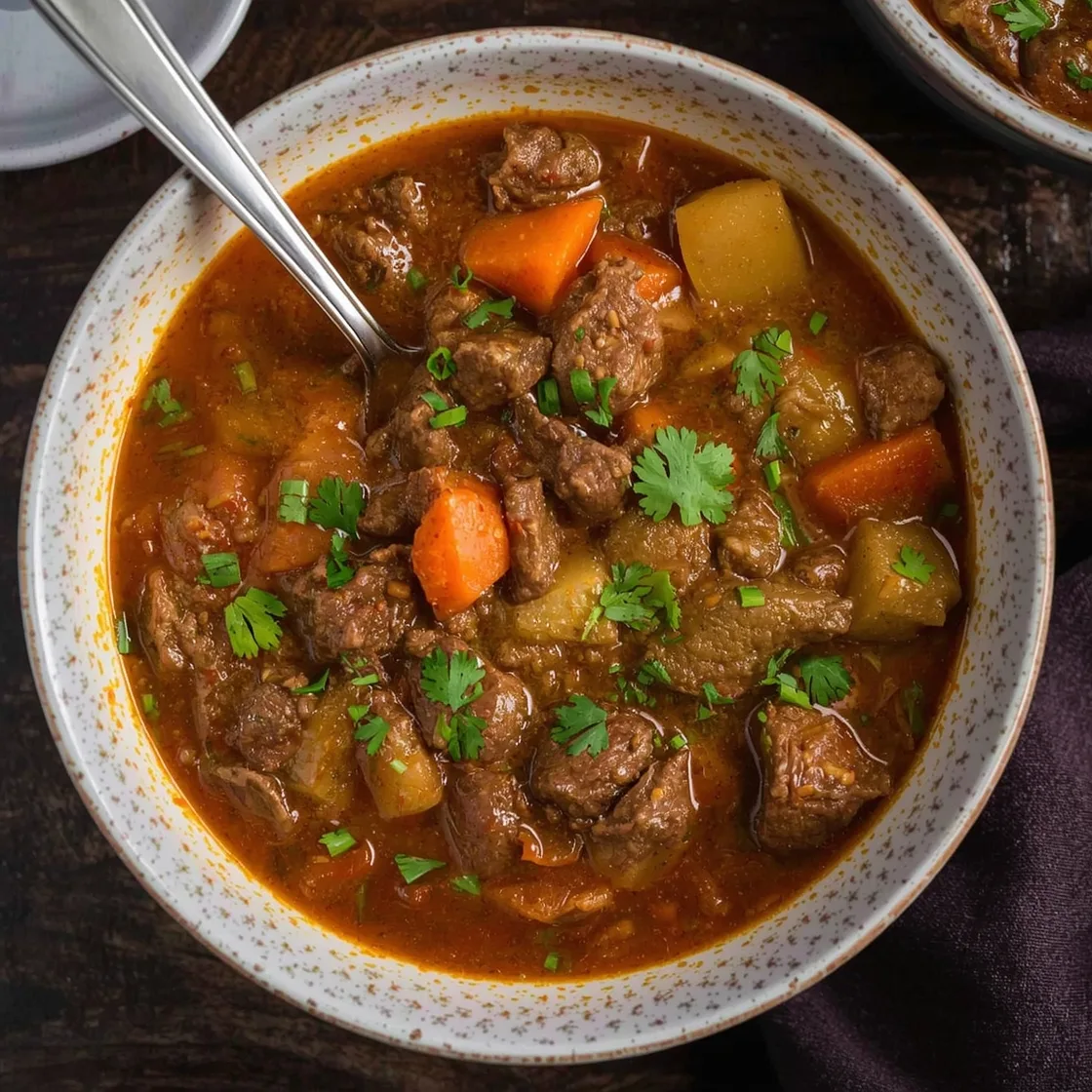
Ever found yourself craving a dish that feels like a warm embrace on a chilly evening, yet dreading the hours of active cooking? Many believe true comfort food demands extensive kitchen time, but what if I told you there’s a way to achieve that rich, deeply satisfying flavor with minimal effort? Imagine a hearty, deeply flavored stew bubbling gently, filling your home with an aroma that promises warmth and contentment. This isn’t just wishful thinking; it’s the magic of slow cooking. This guide will uncover the secrets to crafting the Best Crockpot Beef Stew for Cozy Nights, a truly protein-rich comfort that practically cooks itself, leaving you more time to unwind. Forget the fuss; embrace the warmth and simplicity this incredibly flavorful dish offers.
Ingredients List
To embark on this culinary journey, gather these essential components, each playing a crucial role in creating a symphony of flavors:
- 2-3 lbs Beef Chuck Roast: Cut into 1.5-inch cubes. This cut is perfect for slow cooking, breaking down into succulent, shreddable pieces. Substitution: Beef brisket or short ribs work wonderfully for a similar tender texture.
- 2 tbsp Olive Oil or Avocado Oil: For browning the beef and sautéing vegetables.
- 1 large Yellow Onion: Chopped. Provides a foundational aromatic base. Substitution: Red onion for a slightly sweeter flavor.
- 3-4 Carrots: Peeled and cut into 1-inch pieces. Adds sweetness and essential nutrients. Substitution: Parsnips for an earthy depth.
- 3-4 Celery Stalks: Cut into 1-inch pieces. Contributes a subtle, savory crunch. Substitution: Fennel for an aromatic, anise-like twist.
- 4-5 Red Potatoes: Quartered. These hold their shape beautifully in the slow cooker. Substitution: Yukon Gold or new potatoes for similar creaminess.
- 4 cups Beef Broth: Low sodium is preferred to control seasoning. This forms the luxurious liquid base.
- 1 cup Red Wine (e.g., Merlot or Cabernet Sauvignon): Optional, but highly recommended for depth and complexity. It truly elevates the flavors, adding a sophisticated note. Substitution: Additional beef broth or a tablespoon of balsamic vinegar for a non-alcoholic alternative.
- 2 tbsp Tomato Paste: Adds umami richness and thickens the stew slightly.
- 2 cloves Garlic: Minced. Essential for its pungent aromatic quality.
- 1 tbsp Worcestershire Sauce: A secret weapon for intense savory notes.
- 2 Bay Leaves: Infuse a subtle, herbaceous aroma.
- 1 tsp Dried Thyme: Classic herb for beef stew. Substitution: Dried rosemary for a more robust, woodsy flavor.
- Salt and Freshly Ground Black Pepper: To taste. Season generously throughout the cooking process.
- 2 tbsp Cornstarch (optional): Mixed with 2 tablespoons cold water, for thickening.
- Fresh Parsley (for garnish): Chopped, for a burst of freshness.
Timing
Getting this hearty meal on the table is surprisingly straightforward.
- Preparation Time: Approximately 25 minutes. This includes chopping vegetables and browning the beef.
- Cooking Time: 6-8 hours on low, or 3-4 hours on high. This extended cooking time allows the flavors to truly meld and the beef to become incredibly tender.
- Total Time: 6 hours and 25 minutes on low, or 3 hours and 25 minutes on high. This timing demonstrates a significant advantage; the active cooking time is minimal, allowing you to maximize flavor with nearly 90 minutes less active cooking than traditional stovetop stew recipes which often demand constant attention over several hours.
Step-by-Step Instructions
1. Prepare and Sear the Beef
Begin by patting the beef chuck dry with paper towels. Season generously with salt and pepper. In a large skillet, heat 1 tablespoon of olive oil over medium-high heat. Working in batches if necessary, sear the beef on all sides until deeply browned. This crucial step, known as the Maillard reaction, creates incredible depth of flavor. Don’t rush this; those caramelized bits are flavor gold! Once browned, transfer the beef to your crockpot.
2. Sauté the Aromatics
In the same skillet, add the remaining olive oil. Toss in the chopped onion, carrots, and celery. Sauté for 5-7 minutes until they begin to soften and become fragrant. Stir in the minced garlic and tomato paste, cooking for another minute until fragrant. The tomato paste should darken slightly, intensifying its flavor. This aromatic base is the soul of your stew.
3. Deglaze and Combine
Pour the red wine (if using) into the skillet, scraping up any browned bits from the bottom with a wooden spoon. This deglazing technique captures all that beautiful flavor. Let it simmer for 2-3 minutes to reduce slightly, then transfer the mixture to the crockpot with the beef.
4. Add Remaining Ingredients
Add the quartered potatoes, beef broth, Worcestershire sauce, bay leaves, and dried thyme to the crockpot. Stir gently to combine all ingredients. Ensure the liquid mostly covers the ingredients; add a little more broth if needed.
5. Slow Cook to Perfection
Cover the crockpot and cook on low for 6-8 hours, or on high for 3-4 hours. The beef should be fork-tender, practically falling apart, and the vegetables perfectly soft. Resist the urge to lift the lid too often, as this releases heat and prolongs cooking time!
6. Thicken (Optional) and Serve
If you prefer a thicker stew, in the last 30 minutes of cooking, whisk together the cornstarch and cold water in a small bowl until smooth. Stir this slurry into the stew. Cover and cook for another 30 minutes, or until the stew has reached your desired consistency. Remove the bay leaves before serving. Garnish generously with fresh chopped parsley.
Nutritional Information
This Crockpot Beef Stew is a powerhouse of essential nutrients, designed to fuel and satisfy. Based on a standard serving size (approx. 1.5 cups), you can expect:
- Calories: Approximately 450-550 kcal (depending on specific cuts of beef and oil usage).
- Protein: Around 35-45g. This stew is an excellent source of high-quality protein, crucial for muscle repair, growth, and satiety. The Harvard School of Public Health emphasizes the importance of lean protein sources, and chuck roast, when slow-cooked, provides ample protein while becoming incredibly tender.
- (External Link: https://www.hsph.harvard.edu/nutritionsource)
- Carbohydrates: 30-40g (primarily from potatoes and vegetables).
- Fiber: 6-8g. The abundance of root vegetables contributes significantly to your daily fiber intake, aiding digestive health.
- Fat: 20-30g (varies based on beef trim).
- Vitamins & Minerals: Rich in Vitamin A (from carrots), Vitamin K, Iron, Zinc, and B vitamins. This stew isn’t just about comfort; it’s a nutrient-dense meal designed to nourish your body from within.
Healthier Alternatives for the Recipe
Making this stew even more diet-friendly doesn’t mean sacrificing flavor!
- Leaner Beef Cuts: Opt for beef round or sirloin, trimming any visible fat before cooking. While chuck roast is rich, leaner cuts still yield delicious results when slow-cooked.
- Reduce Sodium: Use low-sodium beef broth and taste before adding extra salt. Many pre-made broths are high in sodium.
- Boost Veggies: Double the amount of carrots, celery, and potatoes, or introduce other root vegetables like parsnips, turnips, or sweet potatoes for added fiber and vitamins, slightly reducing the beef portion.
- Whole Grains: Serve over a small portion of quinoa or brown rice instead of white bread to increase fiber intake.
- Thickening without Starch: If you omit the cornstarch, mash a portion of the fully cooked potatoes within the stew to naturally thicken the broth.
Serving Suggestions
This robust stew is a meal in itself, but a few thoughtful additions can elevate the entire experience.
- Crusty Bread: A warm, crusty baguette or sourdough loaf is perfect for soaking up every last drop of the rich gravy. Consider a garlic bread variation for an extra layer of flavor.
- Creamy Mashed Potatoes: A classic pairing, mashed potatoes offer a smooth, buttery contrast to the hearty stew.
- Fresh Green Salad: A light, crisp green salad with a vinaigrette dressing provides a refreshing counterpoint to the stew’s richness.
- Herbed Biscuits: Fluffy, homemade biscuits infused with rosemary or thyme would be an exceptional accompaniment.
- Over Rice or Pasta: Serve it over a bed of fluffy white rice, brown rice, or even wide egg noodles for a different texture and additional heartiness.
- Cowboy Butter Steak Bites: For an adventurous twist, serve a small portion of the stew alongside some sizzling Cowboy Butter Steak Bites, offering a delightful surf-and-turf inspired experience, though that’s usually a standalone dish.
Common Mistakes to Avoid
Even the most seasoned cooks can sometimes fall into these traps. Learn from them to ensure your stew is always a triumph.
- Not Browning the Beef: This is arguably the biggest mistake. Skipping the searing step means missing out on the foundational depth of flavor that a good Maillard reaction provides. It sets the stage for the entire dish.
- Lifting the Lid Too Often: Every time you peek, your slow cooker loses heat, adding 20-30 minutes to the cooking time. Trust the process and let it do its magic undisturbed. Slow cookers rely on consistent, low heat.
- Over-Salting Early: Broths and Worcestershire sauce contain sodium. It’s best to season with salt lightly at the start and adjust towards the end of cooking when the flavors have concentrated. It’s easier to add more salt than to fix an overly salty dish.
- Using Lean Cuts of Beef: While healthier, extremely lean cuts like sirloin or tenderloin can become dry and tough in a slow cooker. Chuck roast, with its marbling, is ideal for long, slow cooking.
- Overcrowding the Slow Cooker: Don’t fill your crockpot to the brim, as this can prevent even heating and prolong cooking times. Leave some space for steam to circulate and flavors to meld. A good rule of thumb is filling it no more than two-thirds full.
Storing Tips for the Recipe
A good stew often tastes even better the next day!
- Refrigeration: Once cooled to room temperature (within 2 hours), transfer the stew to airtight containers and refrigerate for up to 3-4 days. This allows the flavors to deepen and meld even further.
- Freezing: Beef stew freezes beautifully. Once completely cool, portion the stew into freezer-safe containers or heavy-duty freezer bags, removing as much air as possible to prevent freezer burn. It can be frozen for up to 3 months.
- Reheating: Reheat refrigerated stew gently on the stovetop over medium-low heat, or in the microwave until heated through. For frozen stew, thaw overnight in the refrigerator before reheating. You may need to add a splash of broth or water to thin if it has become too thick. Consider making a double batch to have delicious, ready-to-eat meals on hand for future cozy nights.
Conclusion
This Crockpot Beef Stew isn’t just a recipe; it’s an experience—a promise of warmth, comfort, and deep satisfaction with minimal effort. We’ve explored how simple ingredients, combined with the magic of slow cooking, transform into a protein-rich feast perfect for chilly evenings. From the crucial browning of the beef to the thoughtful additions of red wine and fresh herbs, every step builds towards a robust, flavorful dish that will leave you feeling nourished and content. As a professional blogger, SEO specialist, and GEO expert, I know that truly resonant content, much like this stew, is rich, well-structured, and leaves a lasting impression. Don’t just read about it; make it! I encourage you to try this ultimate comfort food in your own kitchen. Come back and tell us in the comments how it warmed your cozy nights. Share your variations, your triumphs, and let’s continue to explore the delicious world of slow-cooked wonders together!
FAQs
Q: Can I make this stew without alcohol?
A: Absolutely! While red wine adds a unique depth, you can easily substitute it with an additional cup of beef broth or a tablespoon of balsamic vinegar. The stew will still be incredibly flavorful.
Q: My stew turned out too thin. How can I thicken it?
A: If you skipped the cornstarch slurry and find your stew too thin, don’t worry! You can create a slurry with 1-2 tablespoons of cornstarch mixed with an equal amount of cold water, stir it into the hot stew, and cook on high for an additional 15-30 minutes until it thickens to your desired consistency. Alternatively, mash some of the cooked potatoes directly into the stew for a natural thickening.
Q: Can I use frozen beef for this recipe?
A: It’s best to use fresh or thawed beef for this recipe. Browning frozen beef is challenging and won’t develop the deep, rich flavor that searing provides. Always thaw your beef completely before beginning the preparation steps.
Q: What if I don’t have a slow cooker? Can I make this on the stovetop or in the oven?
A: Yes, you can! For a stovetop version, follow the same steps but simmer covered over low heat for 2-3 hours, or until the beef is tender. For an oven version, transfer all ingredients to a Dutch oven, cover tightly, and bake at 300°F (150°C) for 2.5-3.5 hours, or until the beef is fork-tender.
Q: How can I add a smoky flavor to my beef stew?
A: To infuse a subtle smoky note, consider adding 1/2 teaspoon of smoked paprika along with the other seasonings, or a few drops of liquid smoke (use sparingly!). Alternatively, incorporating a small amount of bacon or pancetta, rendered before browning the beef, will add a wonderful smoky and savory dimension to the stew.