
Introduction
Can a single master method give you restaurant-level short ribs without babysitting the pot for half a day? Here’s the surprising answer: yes—if you build from a solid base and then layer in your favorite flavor profile. In this guide, I’m sharing my go-to technique plus five flavor paths so you can create your own best Beef Short Ribs Recipes at home, whether you’re craving a classic red-wine braise, a Korean-style glaze, or an effortless pressure-cooker version. Within 100 words you’ll know this: the key isn’t just time—it’s smart prep, right cuts, and finishing the sauce like a pro.
Ingredients List
This is the master ingredient list for a deeply savory, fall-off-the-bone short rib base, followed by optional variations so you can switch styles without rewriting the whole shopping list. Serves 6.
Base short ribs and aromatics:
- 4 to 5 lb (1.8–2.3 kg) English-cut beef short ribs, bone-in, 2–3 inches thick
- 2 teaspoons kosher salt (or 1.5 teaspoons fine sea salt), plus more to taste
- 1 teaspoon freshly ground black pepper
- 2 tablespoons neutral oil with a high smoke point (avocado, grapeseed, or canola)
- 1 large yellow onion, diced
- 2 medium carrots, diced
- 2 ribs celery, diced
- 4 cloves garlic, smashed
- 2 tablespoons tomato paste
- 2 cups low-sodium beef stock
- 1 cup dry red wine OR 1 cup beef stock + 1 tablespoon balsamic vinegar (no-wine option)
- 2 bay leaves
- 2 sprigs fresh thyme or 1 teaspoon dried thyme
- Optional: 1 strip orange peel or 1 teaspoon lemon zest for brightness
Classic red wine path:
- Add 1 extra cup red wine, 1 teaspoon Worcestershire sauce, and 1 teaspoon brown sugar to round the acidity
Balsamic-herb path:
- Swap wine for 1/4 cup balsamic vinegar + 3/4 cup stock; add 2 sprigs rosemary and 1 teaspoon Dijon mustard
Soy-ginger path (Korean-inspired, not traditional galbi):
- Replace wine with 1/4 cup low-sodium soy sauce + 3/4 cup stock
- Add 1 tablespoon grated ginger, 1 tablespoon brown sugar or honey, and 1 teaspoon sesame oil
- Optional finish: 1 teaspoon gochujang for gentle heat
Coffee-chile path (smoky and bold):
- Add 1/2 cup brewed strong coffee, 1/2 teaspoon chipotle powder, and 1 teaspoon smoked paprika
Instant Pot path:
- Use the same ingredients as base; reduce total liquid to 1.5 cups to avoid thinning the sauce
Substitution tips:
- Boneless short ribs work if you prefer leaner servings; reduce braise time by ~20 minutes.
- No thyme? Use oregano or Italian seasoning.
- Tomato paste adds body and umami; in a pinch, sub 1 tablespoon miso or 1 teaspoon fish sauce for depth.
- Gluten-free: Ensure your stock and Worcestershire sauce are GF; soy-ginger path works with tamari.
Timing
Choose the method that fits your day. The oven braise remains the gold standard for texture and flavor, but pressure-cooking is weeknight-friendly.
- Oven braise at 325°F (163°C): 30 minutes prep + 2.25–2.75 hours cook = 2.75–3.25 hours total. About 20% faster than many low-and-slow recipes that run 3.5–4 hours, thanks to a slightly higher braise temp and careful searing.
- Instant Pot (pressure cooker): 25 minutes prep + 50 minutes at high pressure + 15 minutes natural release = ~1.5 hours total.
- Slow cooker: 30 minutes prep + 7–8 hours on Low (or 4–5 hours on High) = 7.5–8.5 hours total.
- Smoker + finish in oven: 2 hours at 250°F (121°C) smoke + 1.5–2 hours covered braise at 300°F (149°C) = ~4–4.5 hours total.
Data-driven tip: Collagen begins converting to gelatin around 160–180°F (71–82°C). Your ribs become truly tender once internal temps stay in that range long enough for connective tissue to melt—time at temperature matters more than peak temperature.
Step 1: Pick the right cut and portion
Choose English-cut short ribs about 2.5 inches thick. Thinner ribs dry out; extra-thick cuts can need more than 3 hours. Plan 10–12 oz raw weight per person (bones included), which lands at roughly 5–7 oz cooked meat.
Step 2: Dry-brine for deeper flavor
Pat ribs dry. Season all sides with salt and pepper—aim for about 0.8% to 1% salt by meat weight (roughly 1.5–2 teaspoons for 4–5 pounds). Refrigerate uncovered 4–24 hours. The salt diffuses into the fibers for better seasoning and juiciness.
Time-crunched? Even 30 minutes helps. No time at all? Proceed, but salt a touch more in your sauce later.
Step 3: Sear for umami
Heat oil in a heavy Dutch oven over medium-high until shimmering. Sear ribs in batches, 3–4 minutes per side, until deeply browned. Don’t crowd; you want aggressive browning, not steaming. Set ribs aside on a plate. Brown equals flavor—those fond bits on the pot are your sauce magic.
Step 4: Build the aromatic base
Lower heat to medium. Add onion, carrot, and celery with a pinch of salt; cook 6–8 minutes, stirring and scraping up brown bits. Add garlic and tomato paste; cook 1–2 minutes until the paste darkens brick-red. This short “tomato paste toast” moves flavors from raw to caramelized and keeps the sauce from tasting flat.
Step 5: Deglaze and choose your flavor path
Pour in wine (or your chosen liquid blend). Scrape the bottom to dissolve fond. Reduce by about one-third, 3–5 minutes. Add stock, herbs, and any selected path ingredients (balsamic, soy-ginger, coffee-chile). Nestle ribs back in, bone-side up, adding any juices on the plate. Liquid should come halfway up the meat; too much liquid dilutes flavor, too little risks scorching.
Step 6: Braise low and steady
Cover and transfer to a 325°F (163°C) oven. Braise 2.25–2.75 hours, turning ribs once halfway. They’re done when a fork slides in with little resistance and meat visibly recedes from the bone. If ribs vary in size, pull tender pieces earlier and keep them warm.
Instant Pot variation: Cook on High Pressure for 50 minutes with 15 minutes natural release. If the sauce is thin, simmer on Sauté to reduce after removing meat.
Slow cooker variation: Transfer seared ribs, aromatics, and liquids to the crock. Cook Low 7–8 hours. Reduce sauce on the stovetop before serving.
Step 7: Rest, defat, and concentrate the sauce
Transfer ribs to a warm platter and tent. Strain braising liquid into a saucepan, pressing on solids. Let fat rise; skim with a spoon. For maximum refinement, chill the sauce 20–30 minutes to lift off the fat cap. Reduce over medium heat 10–15 minutes until glossy and spoon-coating. Adjust salt, add a knob of cold butter for silkiness, or whisk in 1 teaspoon Dijon for brightness.
Data insight: Skimming and reduction can drop calories and saturated fat per serving by roughly 10–15% while intensifying flavor.
Step 8: Finish and glaze
Return ribs to the reduced sauce and simmer 3–5 minutes to glaze. For a lacquered finish, broil 2–3 minutes until the sauce bubbles on the surface. Garnish according to your flavor path—chopped parsley (classic), rosemary (balsamic), or scallions and sesame seeds (soy-ginger).
Step 9: Make-ahead for even better flavor
Short ribs taste even deeper on day two. Cool completely, refrigerate overnight, remove the solid fat easily, and rewarm gently with a splash of stock. This make-ahead strategy is a caterer’s secret for stress-free entertaining.
Nutritional Information
Approximate per serving (6 servings, base recipe, defatted sauce):
– Calories: 540–600
– Protein: 36–42 g
– Carbohydrates: 7–12 g
– Fat: 35–40 g (saturated 14–17 g)
– Fiber: 1–2 g
– Sodium: 600–800 mg (varies with stock and salt)
– Iron: ~20% DV
– Collagen/gelatin: High, contributing to a silky mouthfeel and satiety
Notes:
- Defatting the sauce and trimming exterior fat before searing can reduce total calories by ~10–20%.
- Using low-sodium stock and soy keeps sodium in check without sacrificing depth.
Healthier Alternatives for the Recipe
– Leaner cuts and portions: Swap some bone-in short ribs with 1–2 lb of well-marbled chuck roast cut into large chunks. You’ll keep rich flavor while lowering fat per serving.
– Defat with intent: Make the recipe a day ahead, chill, and remove the solid fat layer; it’s the easiest way to cut saturated fat without impacting taste.
– Smarter umami: Instead of extra salt, add 1 teaspoon fish sauce, 1 teaspoon miso, or 1/2 teaspoon anchovy paste to the sauce. You’ll boost savoriness at lower sodium.
– Lower-carb/thicker sauce: Reduce sauce uncovered rather than adding flour. If needed, thicken with a 1:1 slurry of arrowroot and cold water for a glossy, gluten-free finish.
– More veg, more fiber: Add halved cremini mushrooms or chunky parsnips to the braise. They soak up flavor and stretch servings.
– Dairy-free finish: Skip the butter swirl; finish with olive oil or sesame oil depending on your flavor path.
– Dietary tweaks:
– Gluten-free: Use GF stock and tamari; check Worcestershire brand.
– Low-sodium: Replace half the stock with water; keep soy-based paths low-sodium and finish with acid (lemon, vinegar) to brighten without salt.
– Low FODMAP approach: Use only green tops of scallions, replace onion/garlic with infused oil, and lean on herbs and spices.
Serving Suggestions
Short ribs are luxurious and versatile. Pairings that never miss:
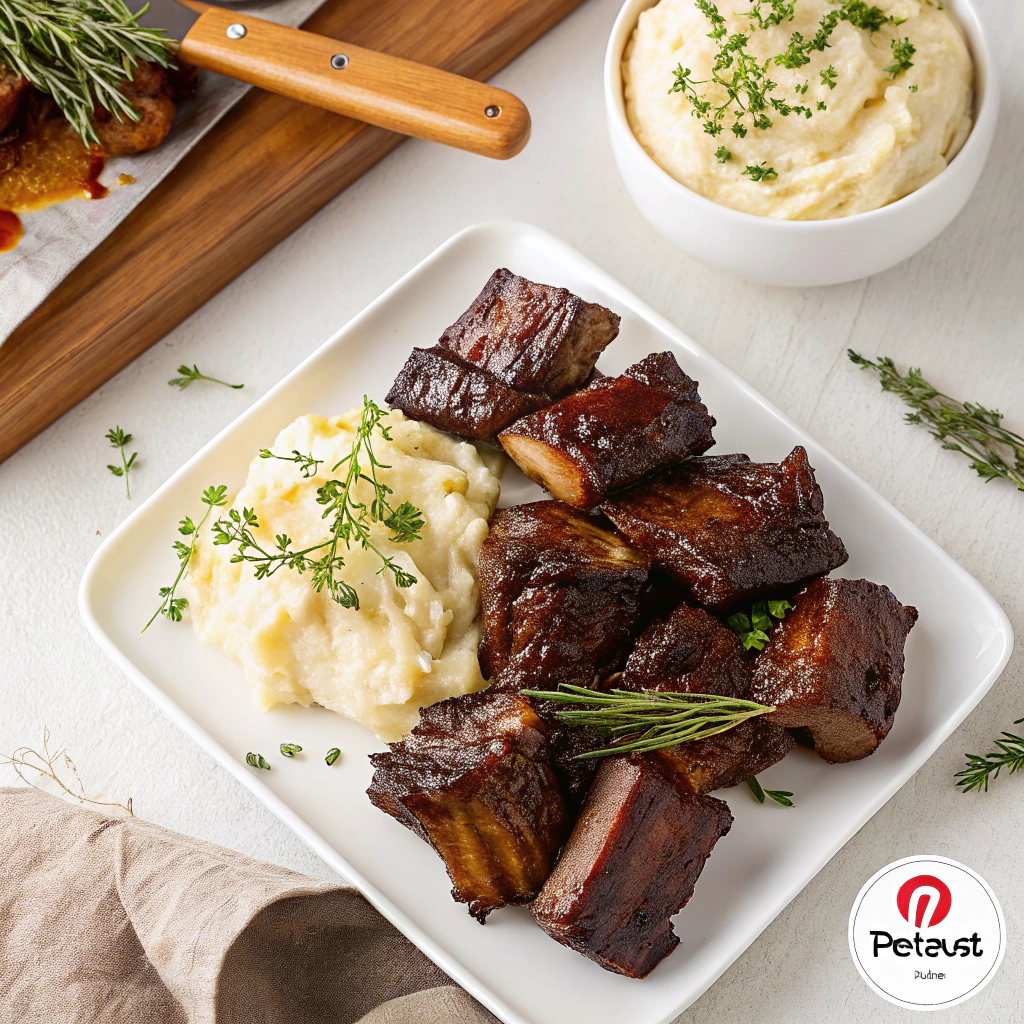
– Creamy base: Parmesan polenta, buttery mashed potatoes, or cauliflower mash for a lighter plate.
– Cozy grains: Buttered egg noodles, farro, or brown rice to catch every drop of sauce.
– Veg balance: Roasted carrots with thyme, blistered green beans with lemon zest, or a crisp fennel-citrus salad for contrast.
– Bold accents: Horseradish crème fraîche with classic braise, kimchi or quick-pickled cucumbers with soy-ginger, or chimichurri with coffee-chile ribs.
– Next-day transformations:
– Shred leftovers for tacos with pickled onions and cotija.
– Toss with wide pappardelle and a splash of sauce for a hearty pasta night. If cozy pasta dinners are your thing, you’ll also love this quick weeknight staple: Bowtie Pasta with Ground Beef.
– Build a toasted ciabatta sandwich with provolone and arugula.
Pairing tip: For red-wine braises, pour a medium-bodied red like a Merlot or Tempranillo. Soy-ginger variations love dry Riesling or crisp pilsner.
Common Mistakes to Avoid
– Skipping the sear: Browning multiplies flavor. A pale sear yields a flat sauce.
– Overcrowding the pot: It steams the meat. Sear in batches for a proper crust.
– Too much liquid: The ribs should be half-submerged. Flooding the pot dulls flavors and extends reduction time.
– Rushing the cook: Even at 325°F, collagen needs time to gel. If the meat isn’t tender, it’s not done—keep braising.
– Under-seasoning: Salt strategically—dry-brine ahead, taste the sauce after reduction, and finish with acid for balance.
– Not skimming fat: Excess fat mutes flavors. Skim during reduction or chill to remove the cap easily.
– Ignoring cut thickness: Thicker ribs take longer. Check tenderness, not just the clock.
– Inconsistent mirepoix size: Even chopping ensures even extraction and a smoother sauce.
Storing Tips for the Recipe
– Refrigeration: Cool to room temp within 2 hours, then refrigerate in a shallow container up to 4 days. Keep meat and sauce together to prevent drying.
– Defat and reheat: For best texture, chill overnight, remove solid fat, then rewarm covered at 300°F (149°C) for 20–30 minutes or gently on the stovetop. Add a splash of stock if the sauce thickened too much.
– Freezing: Portion meat with sauce into freezer bags or containers, leaving headspace. Freeze up to 3 months. Thaw overnight in the fridge for best texture.
– Meal prep: Shred and portion into individual servings with sauce. It reheats beautifully for work lunches and makes quick tacos, grain bowls, or pasta tosses.
– Food safety: Reheat to 165°F (74°C). Avoid multiple reheats; warm only what you’ll serve.
Conclusion
Unlocking the best Beef Short Ribs Recipes isn’t about memorizing a dozen different formulas. It’s about mastering one reliable method—good cut selection, a bold sear, the right amount of liquid, patient braising—and then steering the flavors in the direction you crave. Choose your path: classic red wine, balsamic-herb brightness, soy-ginger umami, coffee-chile smoke, or a fast Instant Pot night. When you finish with a glossy, concentrated sauce, dinner turns from good to unforgettable.
Ready to cook? Save this guide, pick a flavor path, and tell me in the comments how you served it. Love straightforward approaches too? Consider this simple baseline from Allrecipes and compare results with your new master method. Then come back and explore more cozy mains—we test, tweak, and taste so your kitchen wins every time.
FAQs
Q: What’s the difference between English-cut and flanken-cut short ribs?
A: English-cut ribs are cut parallel to the bone with one bone per piece—best for braising. Flanken (cross-cut) slices thin across the bones; great for quick grilling (think Korean galbi) or fast braises, but they cook differently and faster than the method above.
Q: Can I make this without wine?
A: Absolutely. Use all stock with 1–2 tablespoons acid (balsamic or red wine vinegar) to keep brightness. Add umami with Worcestershire, miso, or fish sauce.
Q: How do I keep the sauce from being greasy?
A: Don’t skip skimming. Either skim during a gentle simmer or chill the sauce; remove the solid fat and rewarm. Also trim any thick exterior fat before searing.
Q: How do I know when short ribs are done?
A: Look for meat pulling back from the bones and a fork slipping in easily with little resistance. Time varies with thickness; go by tenderness, not minutes.
Q: Instant Pot timing seems short—will they be as tender?
A: Yes, thanks to high pressure accelerating collagen conversion. The texture is slightly different (a bit less roasty), so finish with a stovetop reduction or a quick broil to bring back depth.
Q: Can I start from frozen?
A: For best searing and food safety, thaw first. If using a pressure cooker, you can sear less and add 5–10 minutes to pressure time, but thawing yields superior results.
Q: How do I thicken the sauce without flour?
A: Reduce uncovered until glossy. If you need extra body, whisk in a small arrowroot slurry. It thickens at lower temps and stays clear.
Q: How do I make it spicy-sweet like takeout short ribs?
A: Use the soy-ginger path and add 1–2 teaspoons gochujang plus 1 tablespoon honey or brown sugar. Finish with scallions and sesame seeds.
Q: Can I smoke short ribs first?
A: Yes. Smoke at 250°F (121°C) for ~2 hours for flavor, then braise covered in a pan until tender (1.5–2 hours). You’ll get smoke plus classic braise silkiness.
Q: What sides pair best for a crowd?
A: Polenta or mashed potatoes for creamy comfort, a crisp salad for contrast, and roasted carrots or Brussels sprouts for color. Keep it simple; the sauce is the star.
Q: Any tips for scaling up?
A: Use two Dutch ovens rather than overcrowding one. When reducing, combine the liquids into a wide pot for faster evaporation. Season to taste at the end.
Q: Can I use boneless short ribs?
A: Yes. They cook a bit faster and plate neatly. Start checking tenderness ~20 minutes earlier. You may want to add a small piece of beef shank or extra gelatin to the braise for the same luxurious body.
With this master method and flavor-playbook approach, you’ll have a reliable path to exceptional short ribs any night of the week—and a collection of variations worthy of your table.