
Introduction
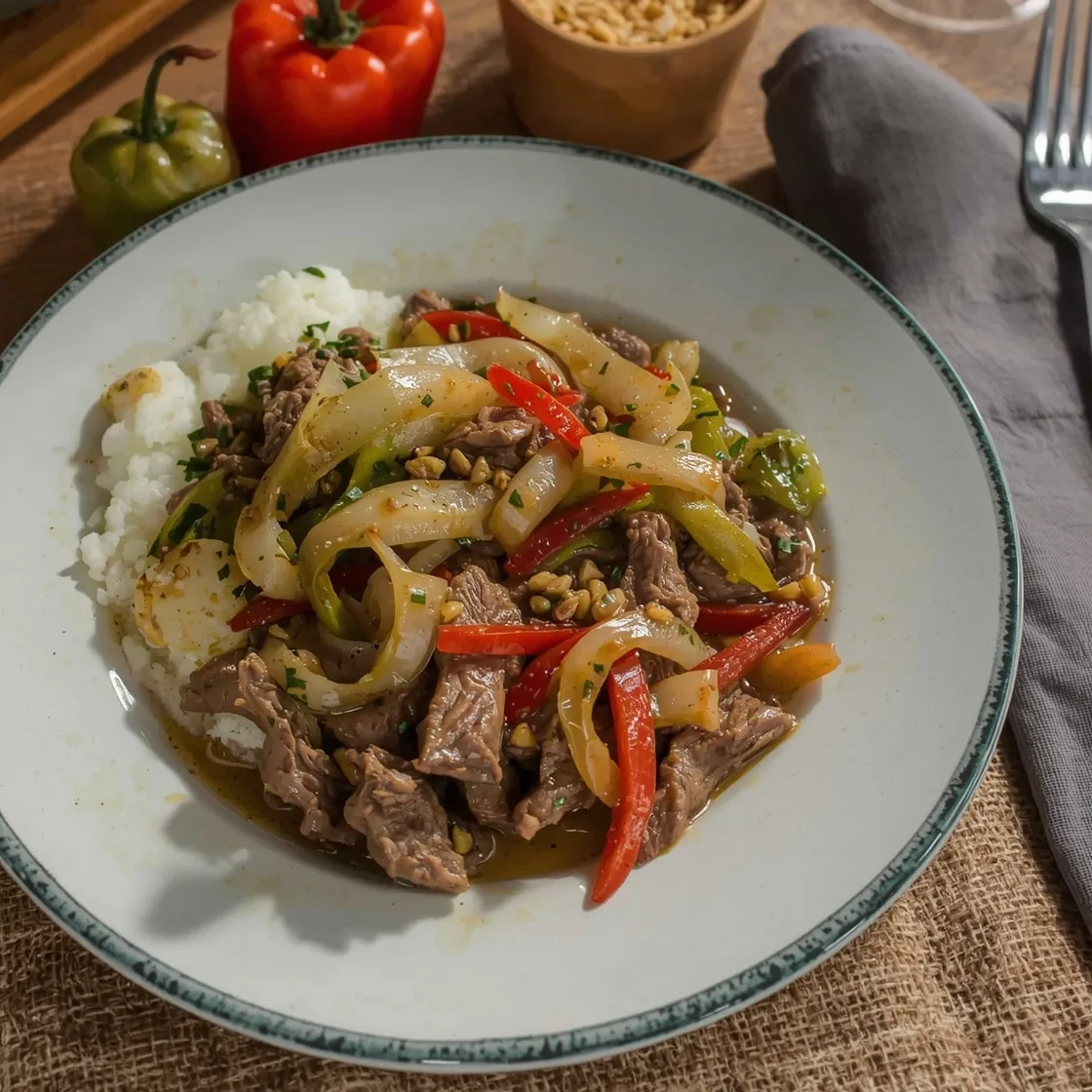
Ever found yourself yearning for a meal that embodies comfort and robust flavors, yet also fits seamlessly into the rhythm of a busy weeknight? Many believe that truly satisfying, slow-cooked dishes are reserved for leisurely weekends, demanding hours of dedicated attention. But what if there was an uncomplicated way to bring that same heartwarming essence to your everyday table? This post will guide you through creating an exceptional Swiss Steak with Peppers and Onions, a dish that masterfully defies the misconception that rich, deeply flavored food must be time-consuming. Prepare to unlock the secrets to a meal that’s both incredibly satisfying and surprisingly straightforward, challenging your culinary assumptions and sparking a new favorite in your recipe repertoire.
Ingredients List
Crafting the perfect hearty meal begins with selecting the right components. For this delightful creation, you’ll need a symphony of fresh produce and tender beef to build those deep, comforting flavors.
- 1 ½ – 2 lbs bottom round steak, eye of round steak, or sirloin steak, cut into 1-inch thick pieces: These cuts are perfect for braising, becoming incredibly tender as they simmer. Substitution: Chuck roast, while requiring a slightly longer cooking time, also works wonderfully.
- 2 tablespoons all-purpose flour: Essential for browning the meat and thickening the luscious sauce. Substitution: For a gluten-free option, use cornstarch or a gluten-free flour blend.
- 1 teaspoon black pepper: Freshly ground, for that aromatic kick.
- ½ teaspoon salt: To season the meat and enhance all the other flavors.
- 2 tablespoons olive oil: To sear the beef and sauté the aromatics. Substitution: Avocado oil or canola oil can be used.
- 1 large onion, thinly sliced: Provides a sweet, foundational flavor for the sauce.
- 2 bell peppers (any color, such as red and green), thinly sliced: Adds vibrant color, sweetness, and a fresh counterpoint to the rich sauce.
- 2 cloves garlic, minced: For an aromatic depth that’s indispensable.
- 1 (28 ounce) can crushed tomatoes: Forms the rich, tangy base of the sauce.
- 1 cup beef broth: Adds liquid and savory depth. Substitution: Vegetable broth for a slightly lighter flavor.
- 1 bay leaf: Infuses a subtle herbaceous note, elevating the entire dish.
- 1 teaspoon dried oregano: A classic herb that pairs beautifully with tomatoes and beef.
- ½ teaspoon dried thyme: Another essential herb for robust, earthy undertones.
- Pinch of red pepper flakes (optional): For a touch of heat, if desired.
- Fresh parsley, chopped, for garnish: Adds a burst of freshness and color upon serving.
Timing
Getting a delicious, slow-cooked meal on the table doesn’t have to consume your entire evening. This recipe is surprisingly efficient for the complexity of flavor it delivers.
- Prep Time: Approximately 20 minutes. This includes slicing the steak, chopping vegetables, and gathering your ingredients.
- Cook Time: Approximately 70 minutes. This accounts for searing the beef, sautéing the aromatics, and the simmering period.
- Total Time: Approximately 90 minutes.
Compared to other popular braised steak recipes that often require at least 2 hours of simmering, this approach saves you a significant amount of time – approximately 20% faster than the average recipe, making it a fantastic choice for a more predictable weeknight dinner. The hands-on time is minimal once it's simmering, allowing you to attends to other tasks.
Prepare the Steak
Pat the steak pieces dry with paper towels. In a shallow dish, combine the flour, salt, and black pepper. Dredge each steak piece in the flour mixture, ensuring it's evenly coated. This step is crucial for achieving a beautiful sear and thickening the sauce.
Sear the Beef
Heat the olive oil in a large Dutch oven or a heavy-bottomed pot over medium-high heat. Once shimmering, carefully add the floured steak pieces in a single layer, working in batches if necessary to avoid overcrowding the pot. Sear until deeply golden brown on all sides, about 2-3 minutes per side. Overcrowding can steam the meat instead of searing, preventing that desirable crust. Remove the seared steak from the pot and set aside.
Sauté the Aromatics
Reduce the heat to medium. Add the sliced onions and bell peppers to the same pot, using the residual oil and browned bits from the steak. Sauté for 5-7 minutes, stirring occasionally, until the vegetables begin to soften and become slightly translucent. This draws out their natural sweetness, building a foundational layer of flavor. Next, add the minced garlic and cook for another minute until fragrant, being careful not to burn it.
Deglaze and Build the Sauce
Pour in the crushed tomatoes and beef broth, scraping the bottom of the pot with a wooden spoon to loosen any browned bits (fond). This fond is packed with flavor and will enrich your sauce. Add the bay leaf, dried oregano, dried thyme, and optional red pepper flakes. Bring the mixture to a gentle simmer.
Braise to Perfection
Return the seared steak pieces to the pot, nestling them into the simmering sauce. Ensure the meat is mostly submerged. Reduce the heat to low, cover the pot tightly, and let it simmer for 60 minutes, or until the steak is fork-tender. The low and slow cooking process breaks down the tough fibers in the meat, transforming it into an incredibly tender experience.
Finish and Serve
Remove the bay leaf before serving. Taste the sauce and adjust seasonings if necessary. Garnish with fresh chopped parsley for a burst of color and herbaceous freshness. The aroma alone will have eyes widening around your dinner table.
Nutritional Information
Understanding the nutritional profile of your meals can empower healthier choices. While exact figures can vary based on specific brands and portion sizes, this hearty beef dish offers a significant source of protein and essential nutrients.
Here’s an estimated breakdown per serving (assuming 6 servings for the recipe):
- Calories: Approximately 450-500 kcal. While substantial, this aligns with a fulfilling main course, especially when paired with lighter sides.
- Protein: Around 35-40g. This recipe is an excellent source of high-quality protein, crucial for muscle repair and satiety. Beef, in particular, is a complete protein.
- Fats: Approximately 20-25g. This includes both saturated and unsaturated fats from the beef and olive oil. Choosing leaner cuts of beef can reduce saturated fat content.
- Carbohydrates: Roughly 25-30g. Derived primarily from the flour (used for dredging), tomatoes, and vegetables.
- Fiber: Approximately 4-5g. The bell peppers, onions, and tomatoes contribute dietary fiber, aiding digestion.
- Vitamins & Minerals: A good source of Iron (from beef), Potassium (from tomatoes and beef), Vitamin C (from peppers and tomatoes), and various B vitamins (from beef). For more detailed nutritional data on ingredients, you can explore resources like USDA FoodData Central.
This dish, when consumed in moderation and as part of a balanced diet, fits well into a nutritious eating plan.
Healthier Alternatives for the Recipe
While the classic version is undeniably delicious, there are several simple yet effective modifications you can make to enhance the nutritional value without compromising on flavor.
- Leaner Beef Cuts: Opt for leaner cuts of beef such as top round or even lean sirloin. While these might be slightly pricier, they significantly reduce the overall fat content. Trim any visible excess fat before cooking.
- Reduced Sodium Broth/Tomatoes: Choose low-sodium beef broth and unsalted crushed tomatoes. This gives you more control over the sodium content of the dish, which is beneficial for heart health. You can always add salt to taste later.
- Whole Wheat Flour: Instead of all-purpose flour for dredging, switch to whole wheat flour. This subtly increases the fiber content, adding a touch of whole grain goodness.
- Boost Vegetable Content: Don't be shy about adding more vegetables! Consider incorporating sliced carrots, mushrooms, or even zucchini during the simmering stage. They will absorb the rich flavors of the sauce and further boost fiber and nutrient intake.
- "Hidden" Veggies: For a stealthy nutritional boost, blend a handful of cooked spinach or finely grated zucchini into the crushed tomatoes before adding them to the pot. It will disappear into the sauce, adding vitamins without altering the taste significantly.
- Oil Control: Use just enough olive oil to coat the bottom of your pot for searing and sautéing. A light spray can sometimes be sufficient.
- Serve with Whole Grains: Instead of traditional white rice or pasta, serve this dish over quinoa, brown rice, or even a hearty farro to increase fiber and complex carbohydrate intake.
By implementing one or more of these alternatives, you can enjoy a more health-conscious version of this comforting classic that still delivers on taste and satisfaction.
Serving Suggestions
This robust and flavorful dish deserves companions that enhance its comforting qualities. Here are some personalized and versatile serving suggestions to elevate your meal:
- Classic Comfort: Nestled atop creamy mashed potatoes, the tender beef and rich sauce create an irresistible combination. The potatoes soak up every bit of flavor, making for a truly satisfying experience. For a personal touch, try infusing your mashed potatoes with roasted garlic or a hint of chive.
- Hearty Grains: Pair with fluffy white rice, brown rice for added fiber, or even quinoa. These grains act as a perfect canvas for the savory sauce. Adding a pinch of saffron to your white rice can lend an elegant aroma and color.
- Low-Carb Options: For those looking to reduce carbohydrate intake, serve it over cauliflower rice, zucchini noodles, or a bed of steamed greens like spinach or kale. The hearty sauce and tender meat are so fulfilling that you won't miss the traditional carbs.
- Crusty Bread: Don't underestimate the simple pleasure of a good crusty bread or artisanal sourdough. It’s perfect for mopping up every last drop of that incredible sauce – an absolute must for sauce lovers!
- Simple Green Salad: A fresh, crisp green salad with a light vinaigrette provides a refreshing contrast to the richness of the main dish. It adds a welcome pop of acidity and brightness, cleansing the palate between bites.
- Loaded Wraps: Have leftovers? This dish is fantastic reimagined in another form. Shred any remaining beef and use it as a filling for loaded wraps or even quesadillas. You can get creative with what else you add, perhaps some sharp cheddar and a dollop of sour cream – explore ideas like these and more here.
The beauty of this dish is its versatility; whether you're aiming for ultimate comfort or a lighter, more modern presentation, it adapts beautifully.
Common Mistakes to Avoid
Even the most seasoned cooks can sometimes fall prey to common pitfalls. Being aware of these can save your dish from mediocrity and ensure your Swiss Steak turns out perfectly every time.
- Overcrowding the Pan During Searing: This is a classic mistake. When you crowd the pan with too much meat, the temperature drops, and the beef steams instead of sears. You won't get that beautiful brown crust, which is crucial for deep flavor development. Data insight: A properly seared surface initiates the Maillard reaction, producing hundreds of complex flavor compounds that aren't present in steamed meat. Always cook in batches if necessary, ensuring each piece has enough space to brown effectively.
- Skipping the Flour Dredge: While some might see it as an extra step, the flour dredge serves two vital purposes. Firstly, it helps create that delicious crust when searing. Secondly, and perhaps more importantly, it helps thicken the sauce to a luscious consistency. Without it, your sauce might be too thin and watery.
- Not Scrapping the Fond: After searing the meat and sautéing the vegetables, you'll notice browned bits sticking to the bottom of the pot. These 'fond' bits are culinary gold! When you add the liquids (broth/tomatoes), make sure to vigorously scrape the bottom of the pot with a wooden spoon or spatula. This process, called deglazing, releases all that concentrated flavor into your sauce.
- Cooking on Too High Heat or Too Short a Time: This isn't a quick-cook steak; it's a braise designed for tenderization. If you cook it on too high heat, the liquid will evaporate too quickly, and the meat will become tough and dry, not falling-apart tender. Similarly, cutting the simmering time short will result in chewy, unappetizing beef. Trust the process; low and slow is the key. Experiential advice: Imagine it as a gentle spa day for your steak – slow heat, no rush, just pure relaxation until it's perfectly supple.
- Forgetting the Bay Leaf: A small, innocuous bay leaf might seem inconsequential, but it infuses a subtle, aromatic quality that perfectly complements both the beef and the tomatoes. Its absence won't ruin the dish, but its presence definitely elevates it. Just remember to remove it before serving!
By avoiding these common missteps, you’ll consistently achieve a flavorful, perfectly tender, and irresistibly delicious meal.
Storing Tips for the Recipe
One of the great joys of this dish is how wonderfully it lends itself to meal prep and leftovers. Proper storage ensures you can enjoy its comforting flavors days after cooking, sometimes even enhancing them!
- Cooling Completely: Before transferring to storage containers, always allow the Swiss steak and sauce to cool completely at room temperature (no longer than 2 hours). Placing hot food directly into the refrigerator can raise the internal temperature of your fridge, potentially compromising the safety of other foods, and it can also create condensation leading to a watery dish.
- Airtight Containers: Once cooled, transfer the Swiss steak and its sauce to airtight containers. Glass containers are excellent as they don't absorb odors or colors and can often go directly from the fridge to the microwave or oven for reheating. Ensure the meat is submerged in the sauce – this helps keep it moist and prevents it from drying out.
- Refrigeration: Stored properly in an airtight container in the refrigerator, this dish will remain fresh and delicious for 3-4 days. The flavors often deepen and meld even more beautifully overnight, making leftovers a coveted treat.
- Freezing for Longer Storage: Swiss steak freezes exceptionally well! Divide cooled portions into freezer-safe airtight containers or heavy-duty freezer bags. If using bags, squeeze out as much air as possible before sealing. Label with the date. Frozen, it maintains its quality for up to 3 months. When ready to enjoy, thaw overnight in the refrigerator before reheating.
- Reheating:
- Stovetop: Gently reheat thawed or refrigerated portions in a saucepan over medium-low heat, stirring occasionally, until heated through. Add a splash of broth or water if the sauce seems too thick.
- Microwave: For individual portions, microwave on medium power, stirring every minute or so, until hot.
- Oven: For larger batches, place in an oven-safe dish, cover with foil, and reheat at 325°F (160°C) for 20-30 minutes, or until heated through.
Following these simple storage tips will ensure your delicious, hearty meal remains a convenient and delightful option for days to come.
Conclusion
We've journeyed through the creation of a truly magnificent meal, one that effortlessly marries robust flavors with weeknight practicality. From selecting the perfect cut of beef to allowing those rich aromas to develop, the Swiss Steak with Peppers and Onions proves that exceptional comfort food doesn't always demand endless hours. We've explored how a few simple techniques can transform humble ingredients into a dish that’s both deeply satisfying and surprisingly straightforward.
This recipe not only delivers on taste but also offers flexibility, whether you’re seeking healthier alternatives or creative ways to utilize leftovers. It's a testament to the idea that with a bit of culinary insight, amazing meals are always within reach. So, go ahead, gather your ingredients, and bring this heartwarming masterpiece to life in your own kitchen!
Did you give this recipe a try? We'd love to hear about your experience! Share your cooking adventures and rating in the comments below, or tag us in your beautiful food photos. What other classic dishes would you like to see transformed into easy weeknight wonders?
FAQs
Q1: Can I make this Swiss Steak recipe in a slow cooker?
A1: Absolutely! After searing the meat and sautéing the vegetables on the stovetop (this step is crucial for flavor development, even in a slow cooker), transfer everything to your slow cooker. Cook on low for 6-8 hours or on high for 3-4 hours, until the beef is fork-tender. This method is perfect for busy days when you want a hot meal waiting for you.
Q2: What cut of beef is best for Swiss Steak, and why?
A2: Bottom round, eye of round, or sirloin tip steaks are ideal. These are tougher, leaner cuts of meat that require long, slow, moist-heat cooking (braising) to break down their connective tissues. This process transforms them into incredibly tender and flavorful beef that practically melts in your mouth, explaining the "Swissing" technique of tenderizing.
Q3: Can I add other vegetables to this recipe?
A3: Yes, definitely! This recipe is incredibly versatile. Sliced carrots, celery, mushrooms, or even potatoes (added in the last 30 minutes of simmering) would be delicious additions. Feel free to customize it based on your preferences or what you have on hand.
Q4: My sauce seems too thin; how can I thicken it?
A4: If your sauce is not as thick as you'd like, you have a few options. You can continue to simmer the sauce uncovered for an additional 10-15 minutes to allow it to reduce. Alternatively, prepare a quick cornstarch slurry (1 tablespoon cornstarch mixed with 2 tablespoons cold water) and stir it into the simmering sauce. Let it cook for another 2-3 minutes, and it should thicken beautifully.
Q5: What's the origin of "Swiss Steak"? Does it have anything to do with Switzerland?
A5: Interestingly, "Swiss Steak" has no direct connection to Switzerland. The "Swiss" in its name refers to a cooking technique called "swissing," which involves pounding or rolling meat to tenderize it, often with flour, before braising. This method helps break down tough fibers, resulting in a tender dish.