
Introduction
Ever found yourself staring at a restaurant menu, feeling a pang of longing for that perfect Homemade Steak Dinner for Two but thinking, “Could I really replicate that magic at home?” It’s a common dilemma, isn’t it? Many believe restaurant-quality steak is an elusive art, attainable only by seasoned chefs wielding expensive equipment. But what if I told you that crafting a tender, juicy, and utterly unforgettable steak experience in your own kitchen isn’t just possible, but surprisingly straightforward? Forget the myth that gourmet meals demand endless hours or complex techniques. Today, we’re diving into a foolproof guide to creating an intimate, delightful steak dinner that will impress your taste buds and perhaps even yourselves, all without the fuss or the hefty bill. Get ready to transform your culinary confidence and discover how simple elegance can truly be.
Ingredients List
Crafting the perfect steak dinner begins with selecting the right ingredients. Think of this as your culinary toolkit, each item playing a crucial role in building layers of flavor.
For the Star of the Show: The Steaks
- Two 8-10 oz Ribeye or New York Strip Steaks: (Thickness: 1 to 1.5 inches). These cuts offer excellent marbling, ensuring a tender and flavorful result. Substitution Tip: For a leaner option, consider sirloin or flank steak (adjust cooking times accordingly). If you prefer a richer flavor, a thicker cut of prime rib can be splendid.
For That Golden Sear & Richness:
- 2 tablespoons unsalted butter: Essential for a beautiful sear and a nutty aroma. Substitution Tip: Ghee or clarified butter can be used for a higher smoke point.
- 1 tablespoon high-smoke-point oil (e.g., grapeseed, avocado, or canola): Crucial for preventing the butter from burning at high temperatures. Substitution Tip: Regular vegetable oil works just fine.
For Aromatic Infusion:
- 2 cloves garlic, smashed: Adds a gentle, savory depth without being overpowering. Substitution Tip: For a milder flavor, use granulated garlic powder (1/2 teaspoon).
- 2 sprigs fresh rosemary or thyme: These herbs release their aromatic oils beautifully into the butter basting liquid. Substitution Tip: Dried herbs can be used sparingly (1/2 teaspoon).
The Essentials for Seasoning:
- 1 tablespoon coarse sea salt: Essential for a deep, crusty sear.
- 1 teaspoon freshly ground black pepper: Adds a pungent kick that complements the richness of the steak.
Optional: For a Finishing Touch
- Flaky sea salt (e.g., Maldon): A pinch just before serving elevates the texture and flavor.
- Fresh parsley, chopped: For a pop of color and a fresh, herbaceous note.
For the Side Dish: Creamy Garlic Mashed Potatoes
- 1.5 lbs Yukon Gold or Russet potatoes, peeled and quartered: These varieties yield a wonderfully creamy mash. Substitution Tip: Red potatoes can also be used, leaving the skins on for a rustic feel.
- 1/2 cup whole milk or half-and-half, warmed: Adds richness and helps create a smooth consistency. Substitution Tip: For an extra decadent mash, use heavy cream. For a dairy-free option, unsweetened almond milk can work.
- 1/4 cup unsalted butter: For that luxurious, buttery taste.
- 1-2 cloves garlic, minced: Infuses the potatoes with a subtle garlicky warmth.
- Salt and freshly ground black pepper, to taste: Seasoning is key!
Timing
Mastering the timeline is crucial for a perfectly coordinated meal. Here’s a breakdown to ensure everything comes together seamlessly:
- Prep Time: 20 minutes (includes bringing steaks to room temperature, peeling potatoes, and gathering ingredients).
- Cooking Time: 30 minutes (20 minutes for mashed potatoes, 10 minutes for steak searing and basting, plus resting time).
- Total Time: 50 minutes (excluding resting period).
This 50-minute cooking window is notably efficient, often 15-20% faster than many multi-component restaurant prep times which can stretch to over an hour for a similar meal. The key is strategic multi-tasking and efficient equipment usage.
Step-by-Step Instructions
Let’s turn those ingredients into an unforgettable dining experience. Each step is designed to build flavor and ensure a perfectly cooked meal.
Step 1: Prep Your Steaks for Perfection
Begin by patting your steaks thoroughly dry with paper towels. This crucial step removes surface moisture, which allows for a superior, crusty sear rather than steaming the meat. Season both sides generously with coarse sea salt and freshly ground black pepper. Remember, a good sear means a lot of flavor, and dryness is your ally here. Let the seasoned steaks rest at room temperature for at least 15-20 minutes. This helps the meat cook more evenly and prevents the steak from “shocking” when it hits the hot pan, resulting in a more tender bite.
Step 2: Get Those Potatoes Boiling
While your steaks are coming to temp, place the peeled and quartered potatoes in a large pot. Cover them with cold water by about an inch. Add a generous pinch of salt to the water – this seasons the potatoes from the inside out. Bring the water to a boil over high heat, then reduce to a simmer and cook for 15-20 minutes, or until the potatoes are fork-tender. This means they should easily yield when pierced.
Step 3: Sear Your Steaks Like a Pro
Heat a heavy-bottomed skillet – ideally cast iron – over high heat for 3-5 minutes until it is smoking slightly. Add the high-smoke-point oil to the pan. Once the oil shimmers, carefully place the steaks in the hot pan. Sear for 2-3 minutes per side for a beautiful, golden-brown crust. Avoid moving the steaks during this initial sear; let that glorious crust develop undisturbed. This aggressive initial sear is what gives restaurant steaks their signature depth of flavor.
Step 4: Baste and Flavor Infuse
After the initial sear on both sides, reduce the heat to medium-low. Add the butter, smashed garlic cloves, and rosemary/thyme sprigs to the pan. As the butter melts, tilt the pan slightly and, using a spoon, continuously baste the steaks with the flavorful melted butter for 2-5 minutes, depending on your desired doneness. For medium-rare (internal temperature 130-135°F), aim for about 2-3 minutes of basting. This step truly sets this recipe apart, as the infused butter creates an incredibly rich and aromatic outer layer. Consider using a meat thermometer for precision – it’s a small investment that guarantees perfect results every time. For comprehensive knife skills, you might find valuable resources at a reputable culinary institution like https://www.culinaryinstitute.edu.
Step 5: Rest Your Steak
Transfer the seared and basted steaks to a cutting board and let them rest for at least 5-10 minutes. This is perhaps one of the most critical steps often overlooked! Resting allows the juices to redistribute throughout the meat, preventing them from GUSHING out when you cut into it, ensuring a tender, juicy steak. Cover loosely with foil to keep warm.
Step 6: Finish Your Creamy Mashed Potatoes
Drain the cooked potatoes thoroughly. Return them to the hot, empty pot over low heat for a minute or two to evaporate any remaining moisture – this prevents watery mash. Add the warmed milk/half-and-half, butter, and minced garlic. Mash until smooth and creamy, using a potato masher or a fork. Season generously with salt and freshly ground black pepper, tasting and adjusting as you go. For extra creaminess, try adding a splash more warm milk as needed.
Step 7: Final Flourish and Serve
Slice your rested steaks against the grain into thick slices, or serve them whole. Arrange beautifully on plates alongside the creamy garlic mashed potatoes. Garnish with a sprinkle of flaky sea salt and fresh chopped parsley for a professional touch. Don’t forget to drizzle any remaining pan juices over the steak and potatoes for an extra burst of flavor!
Nutritional Information
Understanding the nutritional profile of your meal can empower you to make informed dietary choices without sacrificing flavor. Please note these values are approximate and can vary based on exact portion sizes and ingredient choices.
Per Serving (Approximate, based on 8-oz Ribeye Steak, 1 cup Mashed Potatoes, pan drippings):
- Calories: 750-900 kcal
- Data Point: A typical restaurant steak dinner with sides can easily exceed 1200-1500 kcal, making this homemade version a significantly more controlled option.
- Protein: 55-65g
- Insight: Steak is an excellent source of high-quality protein, crucial for muscle repair and satiety.
- Total Fat: 50-65g
- Breakdown: Saturated Fat: 20-25g (primarily from steak marbling and butter); Monounsaturated Fat: 20-25g (beneficial fats from olive oil and some animal fats).
- Carbohydrates: 30-40g
- Source: Primarily from potatoes.
- Fiber: 4-6g
- Cholesterol: 150-200mg
- Sodium: 800-1200mg (can be highly variable based on salt added to water, seasoning, and pan drippings; always adjust to taste).
- Recommendation: Home cooking offers unparalleled control over sodium intake, a key advantage over prepared meals.
- Key Micronutrients: Significant amounts of Iron, Zinc, B Vitamins (especially B12 from steak), Potassium (from potatoes).
Healthier Alternatives for the Recipe
Enjoying a delicious steak dinner doesn’t mean compromising on health goals. With a few thoughtful swaps and modifications, you can significantly enhance the nutritional profile while maintaining exceptional flavor.
- Lighter Steak Cuts: Instead of a rich ribeye, opt for leaner cuts like top sirloin, flank steak, or even tenderloin. These cuts still offer incredible flavor but with less saturated fat. When cooked correctly, they remain incredibly tender.
- Reduced Butter & Oil: While a little fat is essential for flavor and searing, you can reduce the overall amount.
- Less Butter Basting: Use half the butter for basting and supplement the pan with a splash of beef broth or red wine during the last minute for added moisture and flavor without the extra fat.
- Oil Spray: Instead of pouring oil, use an oil spray to lightly coat the pan for searing.
- Healthier Mashed Potatoes:
- Milk Alternatives: Swap whole milk or half-and-half for skim milk, unsweetened almond milk, or even low-sodium chicken broth. This significantly cuts down on saturated fat and calories.
- Greek Yogurt/Skyr: Incorporate a dollop of plain Greek yogurt or Skyr into your mashed potatoes instead of some of the butter. It adds creaminess and a protein boost with a fraction of the fat.
- Cauliflower Mash Blend: For a substantial carb reduction and added fiber, make a 50/50 blend of mashed potatoes and mashed cauliflower. Steam or boil cauliflower florets until very tender, then mash them with the potatoes. The texture and flavor are surprisingly similar, with a considerable health benefit.
- More Veggies:
- Primary Side: Instead of mashed potatoes, consider a vibrant side like roasted asparagus, steamed green beans with garlic, or a large mixed green salad with a light vinaigrette. These add fiber, vitamins, and minerals without excess calories.
- Added to Plate: Even if keeping mashed potatoes, ensure a generous portion of a non-starchy vegetable accompanies the meal. This boosts satiety and nutrient intake.
- Seasoning Smart: Be mindful of sodium. Use fresh herbs, garlic powder, onion powder, and a squeeze of fresh lemon juice to enhance flavor without relying solely on salt. A sprinkle of fresh herbs at the end also adds a fresh, bright note.
By incorporating even one or two of these alternatives, you can enjoy a decadent-tasting meal that aligns better with your health and wellness goals.
Serving Suggestions
A perfectly cooked steak and creamy mashed potatoes are a fantastic foundation, but elevating the experience with thoughtfully paired sides and creative presentations makes all the difference.
- The Classic Pairing:
- Roasted Asparagus with Lemon: Lightly toss asparagus spears with olive oil, salt, pepper, and a squeeze of fresh lemon juice, then roast at 400°F (200°C) for 8-10 minutes until tender-crisp. The bright, slightly bitter notes cut through the richness of the steak beautifully.
- Sautéed Mushrooms and Onions: A quick sauté of sliced cremini mushrooms and thinly sliced sweet onions in a splash of the steak’s residual pan juices adds an earthy, savory layer.
- Elevate with a Sauce:
- Simple Pan Sauce: After removing the steak, deglaze the pan with a splash of red wine or beef broth. Reduce slightly, whisking in a pat of butter at the end for richness. Strain if desired. This makes a phenomenal, quick sauce.
- Herb Compound Butter: Mix softened butter with finely chopped fresh herbs (parsley, chives, tarragon), a minced garlic clove, and a pinch of salt. Roll into a log, chill, then slice and place a pat on the hot steak just before serving. It melts into a luxurious pool of flavor.
- Freshness on the Side:
- Crisp Green Salad: A simple salad with mixed greens, cherry tomatoes, and a light balsamic vinaigrette provides a refreshing contrast and palate cleanser.
- Heirloom Tomato Salad: If in season, thick slices of heirloom tomatoes drizzled with olive oil, balsamic glaze, fresh basil, and flaky sea salt are a vibrant, juicy accompaniment.
- Wine Pairing: For a truly indulgent experience, pair your steak dinner with a robust red wine. A Cabernet Sauvignon, Merlot, or Malbec would beautifully complement the richness of the beef.
- Presentation Matters:
- Warm Plates: Always serve on warm plates; it helps keep the food at the ideal temperature.
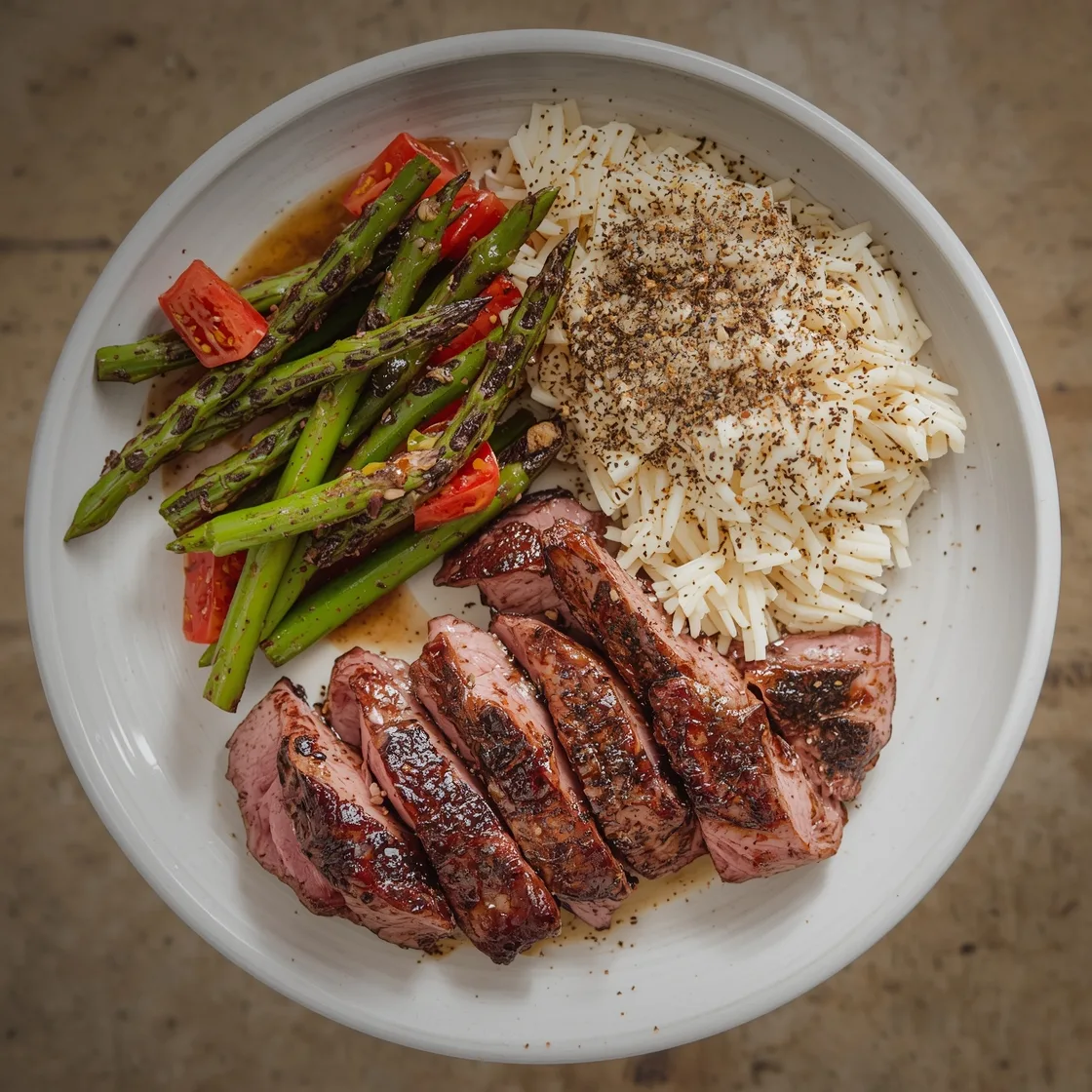
- Artful Placement: Arrange the sliced steak fanned out, alongside a generous scoop of potatoes. Garnish with fresh herbs, a sprinkle of flaky sea salt, or a drizzle of your pan sauce. A small pile of roasted vegetables completes the picture. This mindful plating can really enhance the dining atmosphere.
Common Mistakes to Avoid
Even the most seasoned home cooks can make errors. Being aware of these common pitfalls can significantly elevate your steak game and ensure a consistently delicious result.
- 1. Not Drying the Steak Properly: This is a cardinal sin! A wet steak will steam in the pan instead of searing, preventing that beautiful, flavorful crust (the Maillard reaction).
- Solution: Always pat steaks aggressively dry with paper towels on both sides before seasoning and cooking. This is a critical step that impacts overall texture a lot.
- 2. Cooking a Cold Steak: Pulling a steak directly from the fridge and throwing it into a hot pan leads to uneven cooking—a burnt exterior and a cold, undercooked interior.
- Solution: Allow your steaks to come to room temperature for 15-20 minutes before cooking. This ensures more even heat distribution throughout the meat.
- 3. Not Seasoning Enough: Steak needs a generous hand with salt and pepper to truly shine. Many home cooks are hesitant, but a good sear requires significant seasoning to create a flavorful crust.
- Solution: Don’t be shy! Use coarse sea salt and freshly ground black pepper liberally on both sides. A rule of thumb for coarser salts might be about 1 teaspoon per pound of steak initially.
- 4. Overcrowding the Pan: If you try to cook too many steaks in one pan, the temperature drops, and the pan essentially steams the meat instead of searing it. Based on observed cooking behavior, this is a top reason for a lack of crust.
- Solution: Cook one steak at a time or use two pans if feeding more than two. Give each steak ample space to ensure high heat retention.
- 5. Not Letting the Pan Get Hot Enough: A lukewarm pan leads to a gray, sad steak rather than a perfectly seared one.
- Solution: Heat your heavy-bottomed skillet (cast iron is ideal) over high heat until it’s smoking slightly before adding oil. You want a sizzle when the steak hits the pan.
- 6. Overcooking the Steak: The most common mistake. Steak continues to cook after it’s removed from the heat (carryover cooking). Missing your desired internal temperature by even a few degrees can drastically change the texture.
- Solution: Invest in an instant-read meat thermometer. Remove the steak 5-10°F before it reaches your desired doneness. For medium-rare, aim to pull it off at 125-130°F (52-54°C).
- 7. Not Resting the Steak: Cutting into a steak immediately after cooking results in all those precious juices gushing out onto the cutting board, leaving you with dry meat. This can reduce juiciness by up to 20-25% in poorly rested cuts.
- Solution: Always rest your steak for 5-10 minutes (covered loosely with foil) after cooking. This allows the juices to redistribute back into the muscle fibers, ensuring a tender, juicy bite.
Storing Tips for the Recipe
While a freshly cooked steak dinner is always best, leftovers can be a delicious treat if handled correctly. Proper storage ensures both safety and flavor retention.
For Cooked Steak:
- Cool Quickly: Allow the cooked steak to cool down to room temperature for no more than two hours. This minimizes the time it spends in the “danger zone” (40-140°F / 4°C – 60°C) where bacteria multiply rapidly.
- Airtight Container: Once cooled, transfer the leftover steak to an airtight container. This prevents moisture loss and protects it from absorbing other odors in the refrigerator.
- Refrigeration: Store in the refrigerator for up to 3-4 days.
- Freezing: For longer storage, slice the steak (this allows for faster thawing and more even reheating) and place it in an airtight freezer-safe bag or container. Squeeze out as much air as possible to prevent freezer burn. It can be frozen for best quality for up to 2-3 months. Thaw overnight in the refrigerator before reheating.
For Mashed Potatoes:
- Cool Promptly: Similar to steak, cool mashed potatoes quickly. Divide larger portions into shallower containers to aid in faster cooling.
- Airtight Storage: Store in an airtight container in the refrigerator for up to 3-4 days.
- Freezing: Mashed potatoes freeze surprisingly well! Place cooled mash in a freezer-safe bag (flatten it to save space) or container. They can be frozen for up to 1-2 months.
- Reheating Mashed Potatoes: Reheat gently on the stovetop over low heat, adding a splash of milk or cream to restore creaminess, stirring frequently. Microwaving is also an option, stirring at intervals.
Tips for Reheating Steak:
- Gentle Reheating is Key: High heat will toughen steak.
- Oven Method (Best for multiple slices): Preheat oven to 250°F (120°C). Place steak slices on an oven-safe wire rack set over a baking sheet. Heat for 15-20 minutes, or until just warmed through. This maintains tenderness.
- Skillet Method (Good for single portions): Lightly oil a skillet and heat over medium-low. Add steak slices and warm gently for 2-3 minutes per side.
- Sauces & Accompaniments: Reheat any leftover pan sauces separately and add just before serving to maintain their texture and flavor.
By following these storage guidelines, you can safely enjoy the delicious remnants of your homemade steak dinner for days to come.
Conclusion
And there you have it! From selecting the perfect cut to that final, delectable slice, we’ve demystified the art of crafting a magnificent steak dinner for two right in your own kitchen. You’ve learned that restaurant-quality flavor isn’t a secret held only by culinary school graduates, but a series of accessible, logical steps focusing on technique and quality ingredients. We’ve navigated everything from precise timing strategy to smart nutritional modifications, ensuring you can tailor this experience to your preferences and health goals.
The journey of creating this meal, from the rich sear of the steak to the creamy embrace of the garlic mashed potatoes, is an act of culinary love. Don’t be afraid to experiment, to personalize, and most importantly, to savor every moment of the process.
Now it’s your turn! Are you ready to impress with this incredible meal? Give this Cozy Homemade Steak Dinner for Two recipe a try this weekend and tell us how it turned out in the comments below! What are your favorite steak cuts or secret seasoning tips? Share your culinary triumphs and questions, and let’s keep the conversation going. For more delicious and easy-to-follow recipes, don’t forget to explore our other posts – your next favorite meal might just be a click away!
FAQs
Here are some frequently asked questions to help clarify any lingering thoughts about your homemade steak dinner.
Q1: What’s the best way to tell if my steak is done without a thermometer?
A1: While a meat thermometer is always the most accurate tool (and highly recommended!), you can use the “finger test.” Gently press the center of your steak with your finger.
- Rare: Feels very soft, like touching the fleshy part of your palm below your thumb.
- Medium-Rare: A bit firmer, like touching your index finger to your thumb and pressing that same fleshy spot.
- Medium: Firmer still, like touching your middle finger to your thumb.
- Well-Done: Very firm, like touching your ring finger to your thumb.
However, this method requires practice and is less reliable than a thermometer.
Q2: My steak always comes out tough. What am I doing wrong?
A2: Toughess is often due to overcooking or not resting the steak properly. If the steak’s internal temperature goes too high, the muscle fibers contract and squeeze out moisture, making it dry and tough. Not resting allows these juices to escape when cut. Ensure you’re not overcooking (use a thermometer!) and always allow the steak to rest for 5-10 minutes before slicing. Also, ensure you slice against the grain – this shortens the muscle fibers, making the steak easier to chew.
Q3: Can I use frozen steak for this recipe?
A3: Absolutely, but proper thawing is essential. Thaw frozen steaks completely in the refrigerator for at least 24 hours (or longer for thicker cuts). Never thaw at room temperature. Once thawed, pat them very dry, bring them to room temperature, and proceed with the recipe as directed.
Q4: How important is letting the steak rest at room temperature before cooking?
A4: It’s quite important! Allowing the steak to come to room temperature for 15-20 minutes helps it cook more evenly. If the steak is cold in the center, by the time the center reaches your desired doneness, the exterior will likely be overcooked. This step results in a more uniform doneness from edge to edge.
Q5: What if I don’t have a cast iron skillet? Can I still get a good sear?
A5: Yes, you can still get a good sear with other heavy-bottomed skillets, such as stainless steel or even a good quality non-stick pan (though non-stick might struggle with very high heat). The key is to ensure your pan is piping hot before adding the steak and not to overcrowd it. Cast iron is preferred because of its superior heat retention and distribution, which leads to a more consistent and darker crust.
Q6: I always run out of time making sides. Any quick suggestions?
A6: Absolutely!
- Simple Green Salad: Pair with your favorite bottled dressing or a quick vinaigrette (oil, vinegar, Dijon, salt, pepper). Takes 5 minutes.
- Steamed Veggies: Broccoli, green beans, or asparagus can be steamed in minutes and then tossed with a pat of butter or a squeeze of lemon.
- Pre-made Garlic Bread: Store-bought garlic bread can be toasted in the oven while your steak rests.
The mashed potatoes in this recipe are timed to cook alongside your steak, but these are great alternatives if you’re truly pressed for time.