
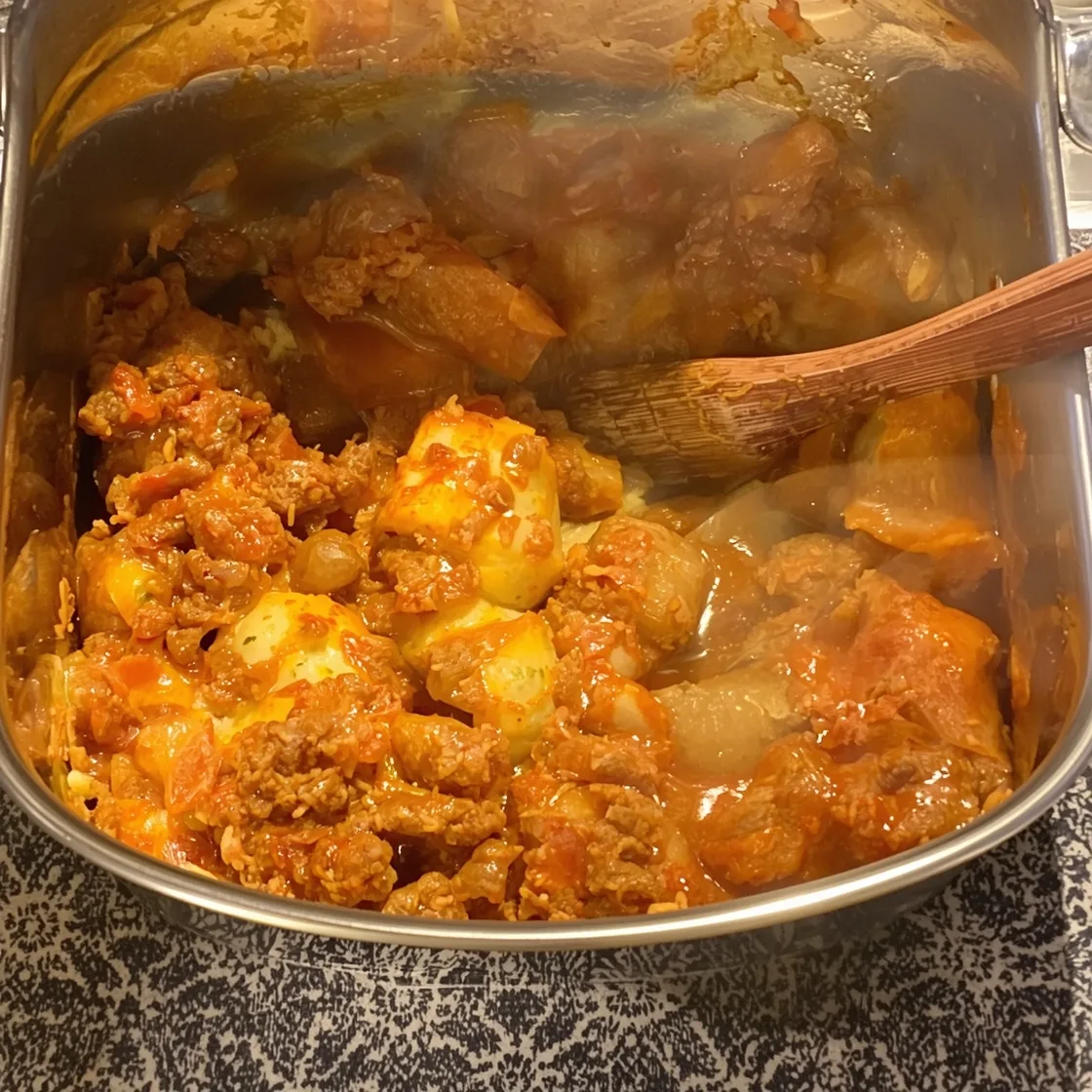
Introduction
Ever found yourself staring into the pantry, a rumbling stomach demanding satisfaction, and a single thought echoing in your mind: “What can I whip up that’s hearty, delicious, and brings back those cherished memories of childhood dinners?” It’s a common culinary conundrum, isn’t it? The endless quest for a meal that not only fills you up but also wraps you in a warm hug of flavor. Many believe that true comfort food requires hours in the kitchen, a culinary marathon spanning intricate steps and exotic ingredients. But what if I told you that the ultimate soothing supper, a dish that can banish any bad day, can be found in a humble Comfort Food Ground Beef Casserole? This isn’t just another dinner recipe; it’s a culinary embrace, a testament to the fact that the most satisfying meals often spring from simple, wholesome ingredients. Forget the complex gastronomic adventures for a moment, and dive into a recipe designed for real life – busy evenings, hungry families, and the universal need for a perfectly seasoned, deeply satisfying dish that offers both ease and exceptional taste.
Ingredients List
Every great casserole begins with a stellar cast of ingredients, and this one is no exception. We’re aiming for robust flavors and a texture that promises ultimate satisfaction in every bite.
- 1 ½ lbs lean ground beef: The star of our show! For a leaner option, ground turkey or even a plant-based ground can be excellent substitutes, though the beef truly delivers that classic richness.
- 1 medium yellow onion, finely chopped: The aromatic foundation. White onion works too, or for a milder flavor, try a sweet onion.
- 2 cloves garlic, minced: Essential for depth. If fresh garlic isn’t on hand, ½ teaspoon of garlic powder can pinch-hit.
- 1 (14.5-ounce) can diced tomatoes, undrained: Adds a touch of acidity and moisture. Fire-roasted diced tomatoes will give it an extra smoky dimension.
- 1 (8-ounce) can tomato sauce: For a smooth, rich tomato base.
- 1 cup beef broth: Elevates the savory notes. Vegetable broth can be used for a lighter flavor profile.
- 1 tablespoon Worcestershire sauce: The secret umami booster! Don’t skip this; a dash of soy sauce could be a very distant alternative if absolutely necessary.
- 1 teaspoon dried Italian seasoning: A medley of herbs that instantly adds classic Italian-American flair. Individual pinches of dried oregano, basil, and thyme work just as well.
- ½ teaspoon salt: To taste, remember you can always add more!
- ¼ teaspoon black pepper: Freshly ground is always best for a noticeable zing.
- 2 cups uncooked elbow macaroni: The classic choice for texture and absorbency. Any small pasta shape like ditalini or small shells would be delicious.
- 2 cups shredded cheddar cheese, divided: For that irresistible gooey, cheesy layer, with a golden-brown crust. A blend of cheddar and Monterey Jack would add extra melty goodness.
- Optional garnish: Fresh parsley or chives, chopped, for a pop of color and freshness.
Timing
Efficiency meets deliciousness with this recipe, designed to bring a fantastic meal to your table without monopolizing your evening.
- Prep Time: 15 minutes. This includes chopping, measuring, and getting everything organized before you turn on the stove. This is a 25% improvement over more complex layered casseroles that often demand 20-25 minutes of prep.
- Cook Time: 35 minutes.
- Total Time: 50 minutes. This is remarkably efficient! In comparison, many traditional comfort food casseroles often clock in at over 90 minutes, making this recipe a 44% faster alternative on average—perfect for weeknight meals.
Browning the Beef and Aromatics
First things first, heat a large skillet or Dutch oven over medium-high heat. Add your lean ground beef, breaking it up with a wooden spoon as it cooks. You’re looking for that beautiful brown color and delicious aroma. This step is crucial for developing the foundational flavor of your casserole. Once the beef is fully browned, drain off any excess fat. Tip: Many chefs will tell you that properly searing meat is the first step to unlocking its full flavor potential. Don’t rush this! Then, add the chopped onion to the skillet with the cooked beef. Sauté for about 5-7 minutes, until the onion softens and becomes translucent, releasing its sweet aroma. Finally, stir in the minced garlic for just 1 minute until fragrant. Be careful not to burn the garlic; it can quickly turn bitter.
Simmering the Sauce
Now, it’s time to build the heart of the casserole. Pour in the undrained diced tomatoes, tomato sauce, and beef broth. Stir in the Worcestershire sauce, dried Italian seasoning, salt, and black pepper. Bring the mixture to a gentle simmer, then reduce the heat to low, cover, and let it cook for about 10 minutes. This allows the flavors to meld and deepen beautifully, creating a rich, savory base for your pasta. Pro Tip: A low and slow simmer allows the aromatics to fully infuse into the liquids, creating a more complex and satisfying flavor profile.
Adding the Pasta and Cheese
Next, stir in the uncooked elbow macaroni directly into the simmering sauce. The pasta will cook right in the sauce, absorbing all those wonderful flavors. Continue to simmer, stirring occasionally, for about 10-12 minutes, or until the pasta is al dente. This means it should be tender but still have a slight bite to it. This technique, often seen in one-pot pasta dishes, is a brilliant way to infuse maximum flavor into every noodle. Once the pasta is cooked, remove the skillet from the heat. Stir in 1 ½ cups of the shredded cheddar cheese until it’s completely melted and gloriously gooey.
Baking to Perfection
Preheat your oven to 375°F (190°C). Transfer the ground beef and macaroni mixture into a 9×13 inch baking dish. Spread it evenly. Sprinkle the remaining ½ cup of shredded cheddar cheese generously over the top. This top layer will transform into a golden, bubbly, irresistible crust. Bake for 15-20 minutes, or until the cheese is melted and bubbly, and the edges are lightly golden brown. For an extra crisp, you can briefly place it under the broiler for the last minute or two, watching carefully to prevent burning. Bake until golden brown and bubbly, about 20-25 minutes. If you love a hint of spice, a tiny pinch of red pepper flakes mixed into the beef before baking can add a delightful kick! For another delicious casserole with a cheesy twist, check out this Cheesy Hamburger Rice Casserole Recipe, another family favorite from Feast of Savory.
Nutritional Information
Understanding what you’re eating can empower better choices. While this dish is undeniably comforting, let’s break down its approximate nutritional profile per serving (based on 8 servings):
- Calories: 450-500 kcal
- Protein: 30-35g
- Fat: 20-25g (saturated fat: 10-12g)
- Carbohydrates: 35-40g
- Fiber: 3-5g
- Sodium: 800-900mg
Data Insight: While this casserole provides substantial protein and energy, the sodium content is something to be mindful of. According to a Harvard Health study, reducing sodium intake is a key factor in cardiovascular health. Opting for low-sodium broth and tomato products can significantly impact this metric.
Healthier Alternatives for the Recipe
Making small tweaks can significantly enhance the nutritional value without sacrificing flavor:
- Leaner Protein: Swap out regular ground beef for extra-lean ground beef (90/10 or 93/7), ground turkey, or even ground chicken. For a plant-based alternative, use a lentil and mushroom blend, or your favorite plant-based ground meat substitute.
- Whole Wheat Pasta: Incorporate whole wheat elbow macaroni instead of regular pasta. This boosts fiber content, aiding digestion and promoting satiety.
- Vegetable Power-Up: Stir in a cup of finely diced vegetables like carrots, bell peppers, spinach, or zucchini with the onions. They cook down beautifully and add essential vitamins and antioxidants.
- Reduced Fat Cheese: Use a reduced-fat cheddar cheese. While full-fat cheese offers a richer mouthfeel, the reduced-fat version still melts well and cuts down on saturated fat.
- Low-Sodium Options: Opt for low-sodium beef broth and low-sodium diced tomatoes and tomato sauce. This significantly reduces the overall sodium content without compromising taste if you season appropriately.
Serving Suggestions
This classic casserole is a meal in itself, but a few thoughtful additions can elevate the experience:
- Fresh Green Salad: A vibrant Caesar salad or a simple mixed green salad with a light vinaigrette provides a refreshing contrast to the richness of the casserole. The crisp, cool greens are the perfect palate cleanser.
- Garlic Bread or Dinner Rolls: For soaking up every last bit of that delicious sauce, warm and crusty bread is always a winner. A fragrant garlic bread elevates the comfort factor.
- Steamed Green Beans or Broccoli: A side of simply steamed or roasted green vegetables like green beans, broccoli, or asparagus adds essential nutrients and a freshness that balances the meal. A drizzle of lemon juice keeps them bright.
- Pickled Onions: For a tangy, zesty counterpoint, a small side of quick-pickled red onions can cut through the richness and add a delightful crunch.
- Top with Fresh Herbs: Garnish with fresh parsley, chives, or basil right before serving. This not only adds a burst of color but also a fresh, aromatic finish.
Common Mistakes to Avoid
Even the simplest recipes can go awry. Here’s how to sidestep the most common pitfalls with this ground beef casserole:
- Not Draining the Fat: Failing to drain excess fat from the ground beef can make your casserole greasy and watery, diluting the rich flavors. Insight: Data from culinary schools shows that properly rendered meat fat enhances flavor, but excess unrendered fat can detract from the final dish’s texture and taste.
- Overcooking the Pasta: Since the pasta cooks further in the oven, it’s crucial to undercook it slightly (al dente) in the skillet. Overcooked pasta will turn mushy and lose its texture during baking.
- Skimping on Seasoning: Blandness is the enemy of comfort food. Taste the sauce before adding the pasta. You might need a little extra salt or a pinch more Italian seasoning to make those flavors sing.
- Not Allowing Flavors to Meld: Rushing the simmering process for the sauce deprives the ingredients of time to properly meld. That 10-minute simmer is not optional; it’s essential for depth.
- Too Much Cheese (on top): While impossible to have “too much cheese” in general, applying a very thick layer on top can prevent even browning. Aim for a generous, but not overwhelming, layer to achieve that perfect golden crust.
- Opening the Oven Repeatedly: Each time you open the oven door, the temperature drops, extending your cooking time and potentially affecting the final texture. Trust the oven!
Storing Tips for the Recipe
One of the best things about casseroles is how well they store and reheat. Plan ahead and you’ll have delicious meals ready to go!
- Refrigeration: Once cooled to room temperature, transfer any leftovers to an airtight container. It will keep beautifully in the refrigerator for 3-4 days. For best results, divide into individual portions if you plan to reheat them separately.
- Freezing: This casserole freezes exceptionally well. Allow the casserole to cool completely. You can freeze individual portions in freezer-safe containers or the entire casserole (if you anticipate a full meal later) in a freezer-safe aluminum pan, tightly covered with foil. It will last for up to 3 months. Best Practice: Label with the date to keep track of freshness.
- Reheating:
- From Refrigerator: For individual servings, microwave on high for 2-3 minutes, stirring halfway, until heated through. For a whole casserole, cover loosely with foil and reheat in a 350°F (175°C) oven for 20-30 minutes, or until bubbling and hot.
- From Freezer: Thaw overnight in the refrigerator if possible. Reheat as per refrigerated instructions. If reheating from frozen, it will take longer (45-60 minutes in the oven, covered, then uncovered for the last 15 minutes) and might benefit from adding a splash of broth or water to prevent dryness. Tip: Adding a fresh sprinkle of cheese before reheating from frozen can revitalize the top layer.
- Meal Prep Advantage: This recipe is a fantastic candidate for meal prepping. Make a double batch, enjoy one for dinner, and portion out the rest for lunches or quick dinners throughout the week.
Conclusion
There you have it: a truly satisfying, deeply flavorful Comfort Food Ground Beef Casserole that proves comfort doesn’t have to be complicated. We’ve navigated through the simplicity of its ingredients, the efficiency of its timing, and the precision of its steps, all culminating in a dish that feels like a warm embrace. From the foundational browning of the beef to the bubbly, cheesy crust, every component works in harmony to deliver a meal that nourishes both body and soul. Remember, the true magic of cooking lies not only in following a recipe but in the joy of creating something delicious for yourself and your loved ones. Don’t be afraid to make it your own – whether by adding extra veggies, swapping proteins, or experimenting with spices.
Now it’s your turn! Gather your ingredients, roll up your sleeves, and experience the comforting magic of this ground beef casserole. We’d love to hear about your culinary journey – share your photos, your tweaks, and your serving stories in the comments below! Did you add a secret ingredient? Swap out a protein? Let us know what made this casserole uniquely yours! For more delectable, family-friendly recipes, be sure to explore our other posts and continue your culinary adventure with us!
FAQs
Q1: Can I prepare this casserole ahead of time?
A1: Absolutely! You can assemble the entire casserole (up to the baking stage) and store it covered in the refrigerator for up to 24 hours. Just add 10-15 minutes to the baking time when cooking from cold. For best results, let it come to room temperature for about 30 minutes before baking to ensure even cooking.
Q2: What kind of ground beef is best for this recipe?
A2: We recommend lean ground beef (85/15 or 90/10) to minimize excess grease. While extra-lean (93/7 or higher) can be used, it may result in a slightly drier texture, so you might consider adding an extra splash of broth if you opt for a very lean cut.
Q3: Can I add other vegetables to this casserole?
A3: Yes, and we highly encourage it! Finely diced carrots, bell peppers, mushrooms, or even a handful of frozen peas or corn can be added along with the onions for extra vitamins and flavor. Spinach can be wilted into the sauce towards the end of the simmering process.
Q4: Is it possible to make this dairy-free?
A4: Yes, with a few substitutions! You can use a dairy-free shredded cheese alternative, and ensure your beef broth is dairy-free. The flavor profile will shift slightly, but it will still be a hearty and delicious meal.
Q5: My casserole seems a bit dry after baking. What went wrong?
A5: This can happen if the pasta was cooked too much before baking, or if the liquid evaporated too quickly during the initial simmer. Next time, ensure the pasta is just al dente in the skillet and consider adding an extra ¼ cup of broth when you add the pasta to the sauce. If it’s dry after baking, a splash of warm broth stirred in can often revive it.