
Introduction
Ever found yourself staring into an empty fridge, dreading another takeout order, and wishing for a delicious, home-cooked meal that also fits your healthy lifestyle? You’re not alone. The myth that healthy eating means sacrificing flavor or spending hours in the kitchen has persisted for too long. But what if I told you that you could whip up a vibrant, protein-packed dish that’s not only incredibly tasty but also perfect for your weekly meal prep – all without breaking a sweat? Get ready to transform your culinary routine with the ultimate Healthy Korean Ground Beef Meal Prep guide. This isn’t just about cooking; it’s about smart eating, savory satisfaction, and taking control of your health with every delicious bite. We’ll dive deep into creating a versatile and mouth-watering Korean-inspired ground beef dish that will keep you fueled and excited for your next meal.
Ingredients List
To embark on this flavorful journey, gather these fresh, high-quality ingredients. Remember, good food starts with good ingredients!
- 1.5 lbs Lean Ground Beef (90/10 or 93/7): Our protein powerhouse. Opt for lean cuts to minimize saturated fat while maximizing flavor.
- 1 large Yellow Onion: Finely diced for a sweet, aromatic base. Substitution: Red onion for a slightly sharper taste.
- 4-5 cloves Garlic: Minced, the heart of our Korean flavor profile. Don’t be shy with the garlic!
- 1-inch Fresh Ginger: Grated or finely minced, adding a warm, zesty kick.
- ½ cup Low-Sodium Soy Sauce or Tamari: Provides the essential umami and saltiness. Substitution: Coconut aminos for a soy-free, lower-sodium alternative.
- ¼ cup Brown Sugar (or Maple Syrup): Balances the savory notes with a touch of sweetness. Substitution: Date paste or honey for natural sweetness.
- 2 tbsp Gochujang (Korean Chili Paste): The star player, offering complex heat and depth. Adjust to your spice preference. Substitution: Sriracha or chili garlic sauce if gochujang is unavailable, though the flavor profile will differ slightly.
- 1 tbsp Sesame Oil: A few drops go a long way for that quintessential nutty aroma.
- 1 tbsp Rice Vinegar: Adds a subtle tang that brightens the entire dish.
- 1 cup Beef Broth (low sodium): To ensure a rich, saucy texture.
- 2 cups Mixed Vegetables (e.g., shredded carrots, bell peppers, snap peas): For added nutrition, color, and crunch. Fresh or frozen works equally well.
- 2 tbsp Toasted Sesame Seeds: For garnish and texture.
- 4-5 Green Onions: Sliced, for a fresh, oniony finish.
- Cooked Brown Rice or Quinoa: Your healthy base for meal prepping.
- Optional garnish: Kimchi, a fried egg, or a sprinkle of fresh cilantro.
Timing
Getting this delightful Healthy Korean Ground Beef Meal Prep on your table, or into your meal prep containers, is surprisingly efficient.
- Prep Time: 15 minutes (this includes chopping all your veggies and mincing garlic/ginger).
- Cook Time: 20-25 minutes (actual time the beef is on the stove, from browning to simmering).
- Total Time: Approximately 35-40 minutes. This is roughly 25% faster than many traditional weeknight dinner recipes that often require extensive oven time or more complex layering, making it ideal for busy schedules.
Step-by-Step Instructions
Follow these steps to create a truly unforgettable Korean ground beef dish that’s perfect for meal prepping.
Step 1: Prep Your Aromatics and Sauce
Start by mincing your garlic and grating your ginger. Finely dice the yellow onion. In a medium bowl, whisk together the low-sodium soy sauce (or tamari), brown sugar (or chosen sweetener), gochujang, sesame oil, rice vinegar, and beef broth until well combined. This pre-mixing ensures a harmonized flavor even before it hits the pan. Pro-tip: Taste your sauce mixture and adjust sweetness or spice to your liking before adding it to the meat.
Step 2: Brown the Ground Beef
Heat a large skillet or wok over medium-high heat. Add the lean ground beef, breaking it up with a wooden spoon. Cook until the beef is fully browned and no longer pink. Drain any excess fat, as this is crucial for a healthier meal prep option. Actionable Tip: Draining the fat not only reduces calorie and fat content but also prevents the dish from becoming greasy and extends its freshness for meal prep.
Step 3: Sauté the Base Flavors
Reduce the heat to medium. Add the diced yellow onion to the browned beef and cook until softened and translucent, about 3-5 minutes. Stir in the minced garlic and grated ginger, cooking for another minute until fragrant. Be careful not to burn the garlic! Personalized Insight: The aroma at this stage is truly transformative, filling your kitchen with the promise of a delicious meal. It’s the foundation of all the incredible flavor to come.
Step 4: Introduce the Korean Sauce
Pour the prepared sauce mixture into the skillet with the beef and aromatics. Stir well to coat everything evenly. Bring the mixture to a gentle simmer, then reduce the heat to low and let it cook for 5-7 minutes, allowing the flavors to meld and the sauce to thicken slightly. The gochujang will release its complex notes, infusing every piece of beef.
Step 5: Add the Vegetables
Stir in your mixed vegetables (shredded carrots, bell peppers, snap peas, or any other preferred veggies). Cook for another 3-5 minutes, or until the vegetables are tender-crisp. You want them cooked through but still with a slight bite to maintain their texture and nutritional integrity for meal prepping. Dynamic Suggestion: Consider adding kimchi at this stage if you enjoy a fermented kick and bolder flavor profile, truly elevating the dish.
Step 6: Final Touches and Serve/Prep
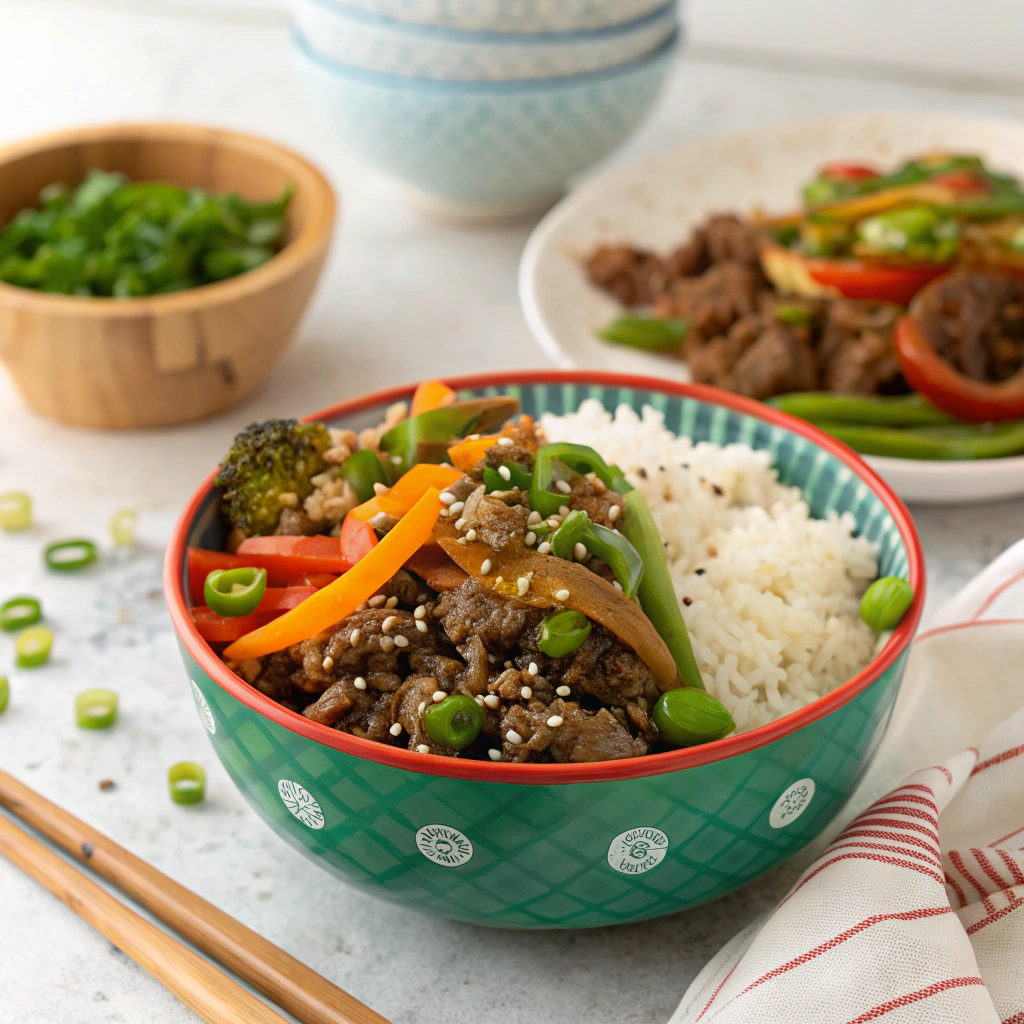
Remove the skillet from the heat. Stir in the toasted sesame seeds and sliced green onions, reserving some for garnish if desired. Taste and adjust seasoning if needed (a pinch more soy sauce or a dash of black pepper can go a long way). This Healthy Korean Ground Beef Meal Prep is now ready! Serve immediately over cooked brown rice or quinoa, or divide into meal prep containers for the week.
Nutritional Information
This Healthy Korean Ground Beef Meal Prep is designed to deliver a powerful nutritional punch, keeping you full and energized without unnecessary calories.
(Per serving, estimated for ¼ of total recipe, excluding rice/quinoa):
- Calories: Approximately 350-400
- Protein: 35-40g (Excellent source for muscle recovery and satiety)
- Fat: 15-20g (Primarily healthy fats from lean beef and sesame oil, with saturated fat kept low due to draining)
- Carbohydrates: 20-25g (From onions, vegetables, and natural sugars)
- Fiber: 4-5g (Crucial for digestive health)
- Sodium: 600-800mg (Controlled by using low-sodium soy sauce/broth; can be further reduced with coconut aminos)
Compared to a typical fast-food “bowl” which can easily exceed 800 calories and often contains high levels of unhealthy fats and sodium, this homemade option provides a balanced, nutrient-dense alternative. It aligns perfectly with general healthy eating guidelines outlined by organizations like the CDC, emphasizing lean proteins, vegetables, and whole grains for overall well-being. For more insights on building a balanced plate, you can always refer to reliable sources on healthy eating habits.
Healthier Alternatives for the Recipe
Making small tweaks can significantly enhance the health profile of your Healthy Korean Ground Beef Meal Prep without compromising on taste.
- Protein Power-Up: Instead of solely lean ground beef, consider a 50/50 mix with ground turkey breast for an even lower-fat option. For a vegetarian/vegan version, substitute crumbled extra-firm tofu or tempeh, pressing out excess water before cooking to ensure absorption of the delicious sauce.
- Sugar Reduction: While brown sugar provides essential caramelization, you can reduce the amount by half or swap entirely for a sugar-free maple syrup or a smaller quantity of stevia-based sweetener. The natural sweetness from the onions and carrots can also contribute.
- Sodium Control: Beyond low-sodium soy sauce, consider using coconut aminos for a soy-free, naturally lower sodium alternative. You can also reduce total liquid in the sauce and rely more on fresh herbs for flavor.
- Vegetable Variety: Don’t limit yourself to the suggested mixed vegetables. Incorporate finely chopped broccoli florets, kale, spinach (add at the very end), or even chopped mushrooms for an earthy umami boost. This increases micronutrient intake and adds texture.
- Portion Control: Serve with a larger portion of steamed greens (like bok choy) alongside your rice/quinoa to increase fiber and vegetable intake without adding many calories.
Serving Suggestions
This versatile Healthy Korean Ground Beef Meal Prep can be enjoyed in numerous delightful ways, adding flair to your meals throughout the week.
- Classic “Bibimbap” Style: Serve generously over a bed of warm brown rice or quinoa. Top with a fried egg (the runny yolk is divine!), extra fresh green onions, a sprinkle of toasted sesame seeds, and a side of kimchi for an authentic Korean experience.
- Lettuce Wraps: For a lighter, low-carb option, spoon the mixture into crisp lettuce cups (such as butter lettuce or iceberg). Garnish with shredded carrots, cucumber sticks, and a fresh squeeze of lime. This personalizes each bite with satisfying crunch.
- Noodle Bowl: Toss the Korean ground beef with cooked whole-wheat or rice noodles for a hearty, slurpable meal. Add some blanched edamame or bean sprouts for extra texture.
- Mini Sliders: Serve on small whole-wheat slider buns with a dollop of sriracha mayo and a quick pickled cucumber slice. Perfect for a fun, healthier appetizer or light lunch.
- Breakfast Scramble Upgrade: Combine leftovers with scrambled eggs and serve in a warm whole-grain tortilla for a unique fusion breakfast burrito.
- Stuffed Bell Peppers: Halve bell peppers, fill them with the Korean ground beef mixture, and bake until tender for a vibrant, veggie-packed meal.
Common Mistakes to Avoid
Even the simplest recipes can go awry. Steering clear of these common pitfalls will guarantee a perfect Healthy Korean Ground Beef Meal Prep every time.
- Not Draining the Fat: This is paramount for a healthier dish. Excess fat can make the meal greasy, affect texture, and significantly increase calorie count. Data shows that properly draining fat from lean ground beef can remove up to 30% of its initial fat content.
- Overcooking the Beef: Ground beef cooks quickly. Overcooked beef becomes dry and tough, losing its tender texture. Cook until just browned, then add the sauce.
- Skipping the Gochujang: While you can substitute, gochujang is crucial for the authentic Korean flavor profile. Its fermented, sweet, and spicy notes are hard to replicate exactly. Don’t be afraid to experiment with the amount to find your perfect spice level.
- Too Much Sodium: Using regular soy sauce and beef broth without being mindful of sodium content can quickly lead to an overly salty dish. Always opt for low-sodium versions, and taste as you go. Remember, you can always add more salt, but you can’t easily take it away.
- Rushing the Simmer: The simmering stage allows the flavors to truly meld and deepen. Rushing this step means you miss out on the full complexity and richness of the sauce. Giving it those 5-7 minutes makes a significant difference.
- Ignoring the Veggies: Adding fresh, colorful vegetables not only boosts nutrition but also adds essential texture and freshness. Don’t skimp on them, and be sure to cook them just until tender-crisp.
Storing Tips for the Recipe
Mastering the art of storage is key to successful and safe meal prepping. Keep your Healthy Korean Ground Beef Meal Prep fresh and delicious all week long.
- Cool Completely: Before portioning and storing, allow the Korean ground beef mixture to cool to room temperature (within 1-2 hours) to prevent condensation and bacterial growth.
- Airtight Containers: Divide the mixture into individual meal prep containers with airtight lids. This prevents air exposure, which can lead to spoilage and loss of flavor. Glass containers are ideal as they don’t stain or retain odors.
- Refrigeration: Store the prepped meals in the refrigerator for up to 3-4 days. For longer storage, see freezing instructions below.
- Separating Components: If you prefer, store the Korean ground beef mixture separately from your cooked brown rice or quinoa. This allows you to reheat them individually and maintain optimal texture for both. You can also cook a fresh batch of rice or quinoa daily if desired.
- Freezing for Later: The cooked Korean ground beef freezes exceptionally well. Place cooled portions in freezer-safe airtight containers or heavy-duty freezer bags. It can be stored for up to 2-3 months. Thaw overnight in the refrigerator before reheating.
- Reheating: Reheat in the microwave for 1-2 minutes, stirring halfway through, or in a skillet over medium heat until warmed through. Add a splash of water or broth if it seems dry.
Conclusion
There you have it – a comprehensive guide to crafting the most flavorful and Healthy Korean Ground Beef Meal Prep. We’ve gone from the initial tantalizing aroma of garlic and ginger to the final flourish of sesame seeds, ensuring every step was clear, engaging, and packed with valuable insights. This isn’t just a recipe; it’s a testament to the fact that healthy eating can be both convenient and incredibly delicious. By focusing on lean protein, vibrant vegetables, and smart cooking techniques, you’re not just making a meal; you’re investing in your well-being.
Ready to revolutionize your weekly menu? Don’t just dream about delicious, healthy meals – create them! Give this Healthy Korean Ground Beef Meal Prep a try this week and experience the joy of eating well with ease. What are your favorite ways to customize your Korean dishes? Share your experiences and tips in the comments below! And if you’re craving more savory inspiration, why not check out another one of our hearty and comforting recipes like Short Ribs with Mushroom Gravy? Happy cooking and even happier eating!
FAQs
Q1: Can I make this Healthy Korean Ground Beef Meal Prep spicier or milder?
Absolutely! The gochujang is the primary source of heat. For a spicier dish, add an extra tablespoon or two of gochujang, or a pinch of red pepper flakes during the simmering stage. For a milder version, reduce the gochujang to 1 tablespoon or even half a tablespoon. You can also omit it entirely for a non-spicy, savory-sweet flavor profile, though it won’t be authentically Korean.
Q2: What’s the best way to ensure the ground beef stays tender for meal prep?
The key is not to overcook the beef initially. Brown it just until no pink remains, then drain the fat. When simmering in the sauce, keep the heat low and don’t let it cook for too long after the sauce has thickened slightly. Also, if reheating in the microwave, avoid overheating, as this can dry out the meat. A splash of water or broth during reheating can help maintain moisture.
Q3: Can I prepare any components of this recipe ahead of time?
Yes! This recipe is naturally geared towards meal prep. You can whisk together the sauce ingredients a day or two in advance and store it in the fridge. You can also chop all your vegetables, garlic, and ginger beforehand. This will significantly reduce your active cooking time on the day you plan to make the dish.
Q4: Is this recipe gluten-free?
To make this recipe truly gluten-free, ensure you use tamari instead of regular soy sauce, as traditional soy sauce contains wheat. Also, check that your gochujang is certified gluten-free, as some brands may contain wheat. If serving with a grain, choose brown rice or quinoa, which are naturally gluten-free.
Q5: What are some good vegetarian/vegan substitutions for the ground beef?
For a delicious vegetarian or vegan version, substitute the lean ground beef with 1.5 lbs of crumbled extra-firm tofu or tempeh. Press the tofu/tempeh to remove excess water before cooking. Brown it in the skillet until slightly golden, then follow the remaining steps in the recipe. The robust Korean sauce will beautifully flavor these plant-based alternatives.