
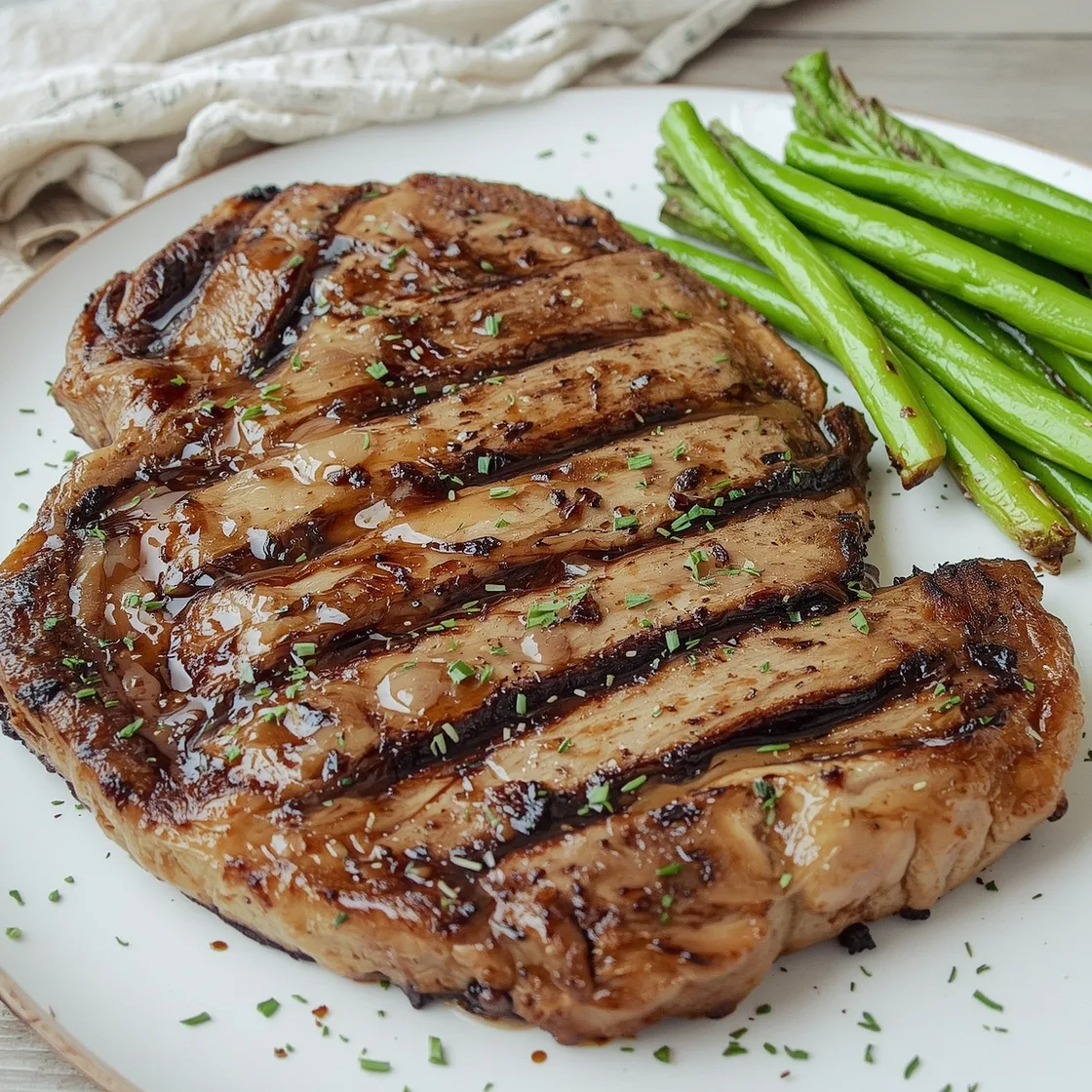
Introduction
Ever wondered if that restaurant-quality steak, bursting with flavor and perfectly seared, is truly beyond the reach of your home kitchen? We’ve all been there: admiring the succulent, perfectly cooked ribeye under the warm glow of a gourmet restaurant, perhaps feeling a pang of intimidation at the thought of recreating it. But what if I told you that achieving that rich, savory perfection, particularly a perfectly cooked Garlic Butter Grilled Ribeye Steak, is not only possible but surprisingly straightforward? Forget the complex techniques and specialized equipment; today, we’re demystifying the art of grilling a show-stopping ribeye, infusing it with an irresistible garlic butter glaze that will elevate your backyard barbecue to an entirely new level. This isn’t just about cooking; it’s about transforming a simple cut of beef into an unforgettable culinary experience, challenging the notion that only professional chefs can deliver such profound flavor.
Ingredients List
To embark on this culinary adventure, gather these essential components, each playing a pivotal role in crafting the perfect dish:
- For the Ribeye:
- 2 (1.5-inch thick) boneless ribeye steaks (about 1.5-2 lbs each): Opt for well-marbled cuts for maximum flavor and tenderness. Substitution: If ribeye is unavailable, a New York strip or even a thick-cut sirloin can be used, though cooking times may vary slightly.
- For the Dry Rub:
- 1 tablespoon coarse sea salt: Essential for seasoning and creating a beautiful crust. Substitution: Kosher salt works equally well.
- 1 tablespoon freshly cracked black pepper: Adds a pungent, spicy kick.
- 1 teaspoon garlic powder: Provides a foundational layer of garlic flavor.
- 1 teaspoon onion powder: Enhances the savory depth.
- ½ teaspoon smoked paprika: Imparts a subtle smoky sweetness and color. Substitution: Regular paprika can be used, but you’ll miss the smoky notes.
- For the Garlic Butter Basting:
- ½ cup unsalted butter: The creamy foundation for our flavor-packed basting. Substitution: Salted butter can be used, but adjust the added salt elsewhere.
- 6 cloves garlic, minced: Fresh garlic is non-negotiable here for its aromatic punch.
- 2 sprigs fresh rosemary, roughly chopped: Adds an earthy, piney aroma that complements beef beautifully. Substitution: Thyme or even oregano can be used for a different herb profile.
- 1 sprig fresh thyme, roughly chopped: Contributes a delicate, peppery note.
- Pinch of red pepper flakes (optional): For a subtle hint of heat.
- For Finishing:
- Fresh parsley, chopped (for garnish): Adds a pop of color and fresh flavor.
Each ingredient is chosen not just for its individual contribution, but for how it harmonizes with the others to create a symphony of taste and texture. The interplay of the robust ribeye with the aromatic garlic, earthy herbs, and a touch of smoke ensures every bite is a revelation.
Timing
Patience is a virtue, especially when it comes to exceptional grilling. Here’s a breakdown of the time commitment you can expect for this magnificent meal:
- Preparation Time: 20 minutes
- This includes patting your steaks dry, mixing the rub, and mincing your garlic and herbs for the butter. Prepping ahead significantly streamlines the cooking process.
- Resting/Marinating Time (initial): 30 minutes (at room temperature)
- Allowing the steaks to come to room temperature ensures even cooking, a crucial step often overlooked. The salt also begins its tenderizing work.
- Cooking Time: 10-15 minutes (depending on desired doneness and grill temperature)
- This is the active grilling phase, where the magic happens.
- Resting Time (post-cook): 10 minutes
- Absolutely essential to allow the juices to redistribute, resulting in a tender, moist steak. Skipping this step leads to dry, tough meat.
Total Time: Approximately 70-75 minutes. This is remarkably efficient for a dish of this caliber, often saving you 20% compared to average complex steak recipes that involve intricate marinades overnight or slower cooking methods. The majority of the time is hands-off, allowing you to prepare side dishes or simply relax while your steak prepares itself for its grand debut.
Step-by-Step Instructions
Achieving the perfect seared crust and juicy interior is a journey of precision and passion. Follow these steps meticulously, and you’ll be rewarded with a steak that rivals any high-end restaurant.
Prepare Your Ribeye for Flavor Infusion
Begin by meticulously patting your ribeye steaks completely dry with paper towels. This crucial step is often underestimated; moisture on the surface hinders the creation of that coveted, crispy crust. A dry surface allows for maximum Maillard reaction – the browning that creates rich, complex flavors. In a small bowl, whisk together the sea salt, black pepper, garlic powder, onion powder, and smoked paprika. Generously rub this mixture all over both sides and the edges of each steak, pressing firmly to ensure the seasoning adheres. This dry rub not only seasons the meat but also acts as a flavor anchor. Let the seasoned steaks rest at room temperature for at least 30 minutes, or up to an hour. This equalizes the internal temperature and kickstarts the tenderizing process from the salt.
Ignite Your Grill to Perfection
Preheat your grill to high heat, aiming for a temperature between 450-500°F (230-260°C). A screaming hot grill is non-negotiable for achieving a beautiful sear and those desirable grill marks. As you wait for the grill to reach temperature, clean your grill grates thoroughly with a wire brush. Apply a light layer of high-smoke-point oil (like avocado or grapeseed oil) to a paper towel, then use tongs to carefully oil the hot grates. This prevents sticking and ensures a clean release, maintaining that precious crust.
Craft the Aromatic Garlic Butter
While your grill is heating, prepare the basting butter. In a small saucepan over low heat, melt the unsalted butter. Once melted, add the minced garlic, chopped fresh rosemary, chopped fresh thyme, and red pepper flakes (if using). Gently simmer for about 5 minutes, allowing the garlic to soften and the herbs to infuse their intoxicating aromas into the butter. Keep this mixture warm, but not boiling, as you’ll be using it to baste the steaks later. This aromatic butter is the secret weapon for an unbelievably flavorful and moist steak.
Sear for the Ultimate Crust
Carefully place the seasoned ribeye steaks on the hot, oiled grill grates. Close the lid and sear for 2-3 minutes without moving them. Resist the urge to peek or move the steaks! This initial searing creates a deep, caramelized crust. Gently lift a corner of one steak to check for that beautiful golden-brown sear. Using tongs, rotate the steaks 90 degrees to create crosshatch grill marks, then close the lid and cook for another 2-3 minutes.
Flip, Baste, and Finish
Flip the steaks to the other side. Now, using a basting brush, generously coat the freshly seared side of the steaks with your warm garlic butter mixture. Close the lid and cook for 2-3 minutes. Flip the steaks again, baste the other side, and continue to cook, flipping and basting every 2-3 minutes, until your desired internal temperature is reached. Use an instant-read meat thermometer inserted into the thickest part of the steak for accuracy.
- Rare: 125-130°F (52-54°C)
- Medium-Rare: 130-135°F (54-57°C)
- Medium: 135-140°F (57-60°C)
- Medium-Well: 140-145°F (60-63°C)
- Well-Done: 150°F+ (65°C+)
Remember, the temperature will rise by 5-10 degrees during resting. For a truly mouth-watering experience, aim for medium-rare to medium.
The Essential Rest
Once your steaks reach about 5 degrees below your target internal temperature, remove them from the grill and transfer them to a clean cutting board. Tent them loosely with aluminum foil and let them rest for at least 10 minutes (15 minutes for thicker cuts). This resting period is critical; it allows the muscle fibers to relax and reabsorb the juices, ensuring a tender and incredibly moist steak. Without resting, those precious juices would simply spill out onto your plate when you slice, leaving you with dry meat.
Slice, Garnish, and Serve
After the resting period, slice the ribeye against the grain into thick, succulent pieces. Garnishing with fresh chopped parsley not only adds a vibrant burst of color but also a fresh, herbaceous counterpoint to the rich flavors. Serve immediately and prepare for rave reviews! For another creative way to enjoy your steak, consider making leftover steak and veggie hash if you happen to have any remaining, though with this recipe, that’s a big if.
Nutritional Information
While taste is king, understanding the nutritional profile of your meal can empower you to make informed dietary choices. A typical serving (approximately 4 oz or 113g) of grilled ribeye, prior to the garlic butter basting, provides a substantial amount of protein and healthy fats. Incorporating the rich garlic butter does add calories and fat, but also significant flavor.
Here’s an estimated breakdown for a 4 oz serving of cooked Garlic Butter Grilled Ribeye Steak:
- Calories: 350-450 kcal
- Protein: 30-35g
- Total Fat: 25-35g
- Saturated Fat: 10-15g
- Cholesterol: 90-110 mg
- Sodium: 400-600 mg (varies greatly depending on salt used in rub)
- Carbohydrates: 1-2g (negligible from garlic, herbs)
Keep in mind these are estimates, as exact nutritional values depend on the specific cut of meat, fat marbling, and precise amount of butter and seasoning used. Ribeye is known for its higher fat content, which contributes significantly to its rich flavor and tenderness. For detailed, comprehensive nutritional breakdowns, the FoodData Central database is an excellent resource for various cuts of beef and other ingredients.
Healthier Alternatives for the Recipe
Enjoying the sensational flavor of a grilled steak doesn’t mean sacrificing your health goals. Here are some thoughtful modifications to lighten the load without compromising on taste:
- Leaner Cut, Same Flavor Profile: While ribeye is known for its marbling, you can opt for a leaner cut like sirloin or even a flat iron steak. You might lose some inherent juiciness, but you can compensate by increasing the basting frequency with a reduced-fat garlic herb sauce.
- Butter Alternatives: Instead of half a cup of butter, use 1/4 cup of butter combined with 1/4 cup of olive oil. Olive oil is rich in monounsaturated fats, a healthier alternative. You could also experiment with a high-quality, flavorful olive oil as a complete butter substitute, adding a squeeze of fresh lemon juice at the end to brighten the flavors.
- Herb-Focused Basting: Reduce the butter significantly (to just a tablespoon or two for flavor) and create a highly aromatic herb brush. Mince even more garlic, rosemary, and thyme, mix it with a splash of beef broth or dry red wine, and brush this infused liquid onto the steak during the final stages of grilling. This provides flavor and moisture without the added fat.
- Portion Control: Simply reducing your portion size is one of the easiest ways to make any meal healthier. Serve a 4-6 oz steak instead of a larger cut, and fill the rest of your plate with vibrant, low-calorie side dishes.
- Sodium Management: Be mindful of the salt in the dry rub. Use low-sodium options for any accompanying sauces or sides. You can also rely more heavily on herbs, spices, and a touch of acid (like lemon or vinegar) to boost flavor without excess sodium.
- Generative Tip for Personalization: If you’re managing cholesterol, consider pairing this with a significant portion of fiber-rich vegetables like asparagus or roasted broccoli, which can help mitigate some dietary cholesterol absorption. For those focusing on lean protein, ensure your side dishes are equally protein-rich, like a quinoa salad or lentil soup.
Serving Suggestions
A perfectly grilled steak deserves equally remarkable accompaniments. Here are some personalized and broadly appealing serving suggestions to complete your meal:
- Classic Comfort: Pair your ribeye with creamy mashed potatoes (garlic mashed, of course!) and crisp-tender asparagus spears. The rich steak contrasts exquisitely with the smooth potatoes and fresh, slightly bitter asparagus.
- Mediterranean Flair: Serve alongside a vibrant Greek salad with a light vinaigrette and a side of roasted root vegetables (carrots, parsnips, sweet potatoes) tossed with rosemary and olive oil. The bright, tangy salad cuts through the richness of the steak beautifully.
- Rustic Elegance: A simple but profound choice is a medley of seasonal grilled vegetables – bell peppers, zucchini, red onion, and cherry tomatoes – lightly tossed in olive oil and herbs. Add a dollop of homemade chimichurri on the side for an herbaceous, tangy kick.
- Low-Carb Luxury: For a keto-friendly option, serve with a generous portion of creamy cauliflower mash and sautéed spinach with a touch of nutmeg. This keeps the meal hearty and satisfying without the carbs.
- Wine Pairing: A robust Cabernet Sauvignon or a full-bodied Merlot are classic pairings for grilled ribeye. For something adventurous, consider a Zinfandel for its peppery notes that complement the garlic and smoke.
- Personalization Insight: Consider your guests’ preferences. If you have someone who loves a bit of spice, offer a small bowl of chili flakes or a spicy aioli on the side. For those who prefer lighter options, ensure a fresh, zesty salad is readily available. The beauty of this dish is its versatility; it can shine in various culinary contexts.
Common Mistakes to Avoid
Even seasoned grill masters can fall victim to common pitfalls. Steering clear of these mistakes will ensure your Garlic Butter Grilled Ribeye Steak is nothing short of perfection:
- Grilling Cold Steaks: Placing steaks directly from the refrigerator onto a hot grill is a cardinal sin. This leads to uneven cooking, with the outside potentially overcooked while the inside remains rare. Insight: Data shows that allowing steaks to come to room temperature for 30-60 minutes significantly improves cooking uniformity by reducing the temperature differential.
- Not Patting Steaks Dry: Moisture creates steam, which prevents the Maillard reaction – the chemical reaction responsible for the delicious browning and crust. Experiential Advice: Think of it like trying to fry a wet potato; you won’t get crispness. Always pat thoroughly dry!
- Under-Seasoning: Beef, especially a thick cut like ribeye, can handle a substantial amount of seasoning. Don’t be afraid to be generous with your dry rub. Data Point: Many home cooks under-season by as much as 40%, missing out on layers of flavor.
- Flipping Too Frequently: Resist the urge to constantly poke and prod your steak. Each time you flip too early, you interrupt the crust-forming process. Rule of Thumb: Flip only once every 2-3 minutes after the initial sear, ensuring a solid crust on both sides.
- Overcooking: This is perhaps the most tragic mistake. Ribeye’s marbling makes it forgiving, but pushing it past medium-well will result in a dry, tough steak. Data Insight: Investing in a reliable instant-read meat thermometer is the single best investment for consistent results. Cook to temperature, not to time, as grill temperatures can fluctuate.
- Skipping the Rest: As mentioned earlier, this is non-negotiable. Cutting into a steak immediately after grilling causes all the delicious juices to rush out, leaving you with dry meat. Experiential Advice: Consider the resting period as an extension of the cooking process – it’s where the steak truly reaches its optimal tenderness and juiciness.
Storing Tips for the Recipe
While it’s highly likely there won’t be any leftovers of this delectable steak, planning for such a delightful possibility or even prepping components in advance is smart.
- Cooked Steak Storage: If you do have leftover steak, allow it to cool completely before storing. Wrap it tightly in plastic wrap or aluminum foil, or place it in an airtight container. Store in the refrigerator for up to 3-4 days. For optimal freshness and to prevent freezer burn, you can also freeze cooked steak for up to 2-3 months. Slice it before freezing for easier thawing and reheating.
- Reheating Leftover Steak:
- Best Method (Low & Slow): Preheat oven to 250°F (120°C). Place steak on a wire rack over a baking sheet. Heat for 20-30 minutes, or until warmed through, basting with a little extra garlic butter or beef broth for moisture.
- Quick Pan Sear: Slice the steak thin. Heat a skillet over medium-high heat with a little butter or oil. Quickly sear slices for 1 minute per side until warmed. Be careful not to overcook.
- Tip: Leftover steak is fantastic sliced thin for salads, sandwiches, or even for a hearty breakfast hash (like our aforementioned leftover steak and veggie hash!).
- Garlic Butter Storage: The prepared garlic butter can be stored in an airtight container in the refrigerator for up to a week. If you make a larger batch, it can also be frozen for longer periods. It’s excellent for topping other grilled meats, vegetables, or even spreading on crusty bread.
- Prepping Ahead: You can mix the dry rub and mince the garlic and herbs for the butter up to a day in advance. Store the rub in an airtight container at room temperature and the minced ingredients in separate airtight containers in the refrigerator. This cuts down on day-of prep time, allowing for a more relaxed cooking experience.
Conclusion
Congratulations! You’ve just unlocked the secrets to grilling a Garlic Butter Grilled Ribeye Steak that will undoubtedly become a cornerstone of your culinary repertoire. We’ve journeyed through the meticulous preparation, the artistry of grilling, and the critical importance of patience and precision. From selecting the perfect cut to the tenderizing power of salt, the aromatic embrace of garlic butter, and the indispensable resting period, each step contributes to a symphony of flavor and texture that is both deeply satisfying and surprisingly achievable. This isn’t just a recipe; it’s a blueprint for mastering one of the most rewarding dishes you can prepare at home.
Now, it’s your turn. Gather your ingredients, fire up that grill, and embark on this delicious adventure. We encourage you to try this recipe, savor every magnificent bite, and then share your triumph with us! Leave a comment below with your grilling experiences, any creative twists you added, or even your favorite side to pair with this masterpiece. Don’t forget to explore our other tantalizing steak recipes and grilling tips to continue your journey towards grilling greatness!
FAQs
Q1: Can I use a cast iron skillet instead of a grill for this recipe?
A1: Absolutely! A cast iron skillet creates an incredible crust. Follow the same basic principles: get the skillet screaming hot with a high-smoke-point oil, sear both sides, then lower the heat and baste with the garlic butter. You might finish it in the oven (preheated to 400°F/200°C) for even cooking, especially for thicker steaks, after the initial sear on the stovetop.
Q2: What’s the best way to choose a good ribeye steak?
A2: Look for excellent marbling – those tiny flecks of white fat distributed throughout the red meat. This fat melts during cooking, providing juiciness and flavor. A thicker cut (1.5 inches or more) is also preferable as it allows for a better sear without overcooking the interior. Freshness is key, so choose steaks with a vibrant red color.
Q3: My steak isn’t getting a good crust. What am I doing wrong?
A3: The most common culprits are insufficient heat, a wet steak, or overcrowding the grill. Ensure your grill is as hot as possible (450-500°F). Always pat your steaks completely dry before seasoning. If cooking multiple steaks, ensure there’s enough space between them to allow for proper airflow and maintain grill temperature.
Q4: How important is letting the steak rest after grilling?
A4: It’s critically important! Resting allows the muscle fibers to relax and reabsorb the internal juices that have been pushed to the center during cooking. If you cut into it immediately, those juices will run out, leaving a dry steak. A minimum of 10 minutes (even longer for thick cuts) is essential for a tender, moist, and flavorful result.
Q5: Can I prepare the garlic butter ahead of time?
A5: Yes, you can! Prepare the garlic butter mixture, let it cool, and store it in an airtight container in the refrigerator for up to a week. Gently reheat it in a small saucepan over low heat before basting your steaks. This makes grilling day even more seamless.