
Introduction
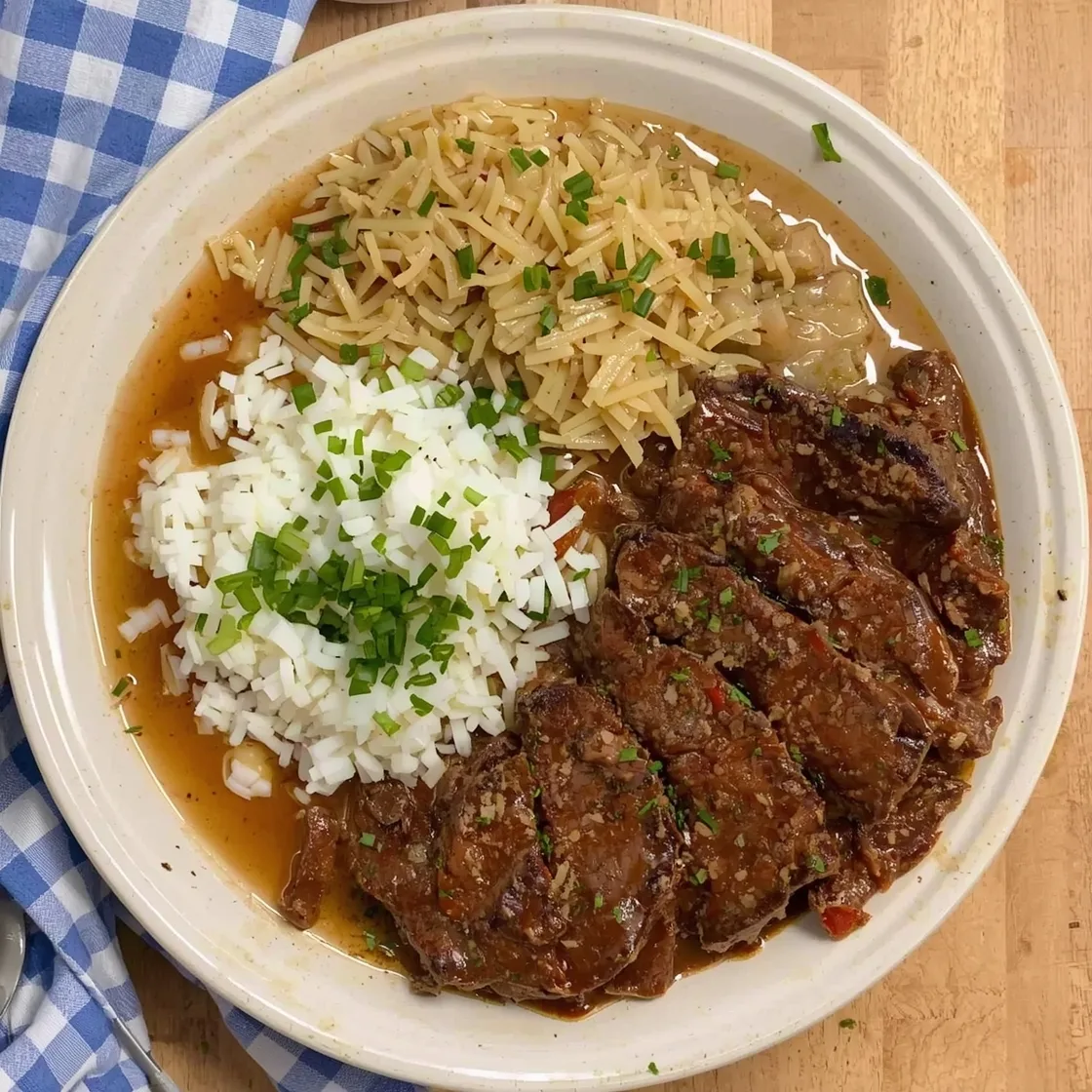
Picture this: The aroma of slow-cooked deliciousness wafts through your home, beckoning family members to the dinner table. It’s a scene etched in our collective memory, a comforting tableau of togetherness. But what if I told you that achieving this idyllic Sunday dinner dream, with a mouth-watering plate of Homemade Comfort Beef Brisket, is not only possible but surprisingly straightforward? Forget the myths that brisket is reserved for seasoned pitmasters or requires an entire weekend of grueling labor. This recipe challenges the notion that true culinary magic is complex. It’s about harnessing simple techniques and quality ingredients to create a dish that tells a story of warmth, flavor, and family. Get ready to embark on a journey that transforms a humble cut of beef into an unforgettable centerpiece, one that will have everyone asking for seconds and recalling the memories made around your table.
Ingredients List
To craft this unparalleled beef brisket, you’ll need a selection of fresh, high-quality ingredients. Each component plays a crucial role in building the layered flavors that make this dish so special.
- 3-4 pound beef brisket (flat cut, trimmed): This is our star! Aim for a good marbling of fat, which contributes immensely to the brisket’s tenderness and flavor. Substitution suggestion: If flat cut is unavailable, a well-trimmed point cut can work, though it will be fattier.
- 2 tablespoons olive oil: For searing and building that foundational flavor.
- 2 large yellow onions, roughly chopped: These sweeten and soften beautifully, adding depth to the sauce.
- 4 carrots, peeled and roughly chopped: Earthy sweetness that complements the beef. Substitution suggestion: Parsnips offer a similar earthy profile.
- 4 celery stalks, roughly chopped: Aromatic and adds a fresh, subtle bitterness.
- 6 cloves garlic, minced: The aromatic backbone; don’t skimp!
- 1 (28-ounce) can crushed tomatoes: Provides a rich, tangy base for our sauce.
- 2 cups beef broth (low sodium preferred): The liquid gold that braises our brisket to perfection.
- 1/2 cup red wine (dry, e.g., Cabernet Sauvignon, Merlot): Adds a sophisticated layer of flavor and acidity. Optional, but highly recommended. Substitution suggestion: An extra 1/2 cup of beef broth can be used.
- 2 tablespoons Worcestershire sauce: A secret weapon for umami and depth.
- 2 tablespoons brown sugar: Balances the acidity of the tomatoes and wine, promoting carmelization.
- 2 teaspoons smoked paprika: Infuses a smoky essence without needing a smoker.
- 1 teaspoon dried thyme: Earthy and fragrant, a classic pairing with beef.
- 1 bay leaf: Adds a subtle, traditional aroma.
- Salt and freshly ground black pepper, to taste: Essential for seasoning at every stage.
Timing
Getting this brisket on the table requires a bit of patience, but the active preparation time is surprisingly manageable.
- Prep Time: 20 minutes
- Cook Time: 3 hours 30 minutes to 4 hours (depending on brisket size and desired tenderness)
- Resting Time: 20-30 minutes
- Total Time: Approximately 4 hours 10 minutes to 4 hours 50 minutes
This total cooking time, approximately 4.5 hours on average, is remarkably efficient. For comparison, traditional slow-smoked briskets often demand 10-14 hours. Our braising method gets you to a tender, flavorful finish in about 65% less time than its smoked counterpart, making it perfect for a leisurely Sunday without monopolizing your entire day.
Step-by-Step Instructions
Follow these instructions for a brisket that’s fork-tender and bursting with flavor. Every step is designed to build layers of taste and ensure a perfect result.
1. Prepare and Season the Brisket
Begin by patting the beef brisket dry with paper towels. This crucial step promotes a better sear. Season generously all over with salt and freshly ground black pepper. Don’t be shy; this is your primary opportunity to infuse flavor directly into the meat. Think of it as painting a flavor canvas – generous, even coverage is key for a truly impactful taste from the first bite.
2. Sear the Brisket
Heat olive oil in a large Dutch oven or oven-safe pot with a heavy bottom over medium-high heat until shimmering. Carefully place the brisket, fat side down (if applicable), into the hot pot. Sear for 5-7 minutes per side, or until a rich, dark brown crust forms. This Maillard reaction is vital for developing deep, complex flavors that will permeate the entire dish. Don’t rush this step; the crust is where much of the magic happens.
3. Sauté Aromatics
Remove the seared brisket from the pot and set aside. Reduce the heat to medium. Add the chopped onions, carrots, and celery to the pot, scraping up any browned bits from the bottom. Sauté for 8-10 minutes, or until the vegetables have softened and the onions are translucent. Stir in the minced garlic and cook for another minute until fragrant, being careful not to burn it. This aromatic base will form the soul of your delicious gravy.
4. Deglaze and Build the Sauce
Pour in the red wine (if using) and bring it to a simmer, allowing it to cook for 2-3 minutes, scraping any remaining delicious brown bits from the bottom of the pot. This deglazing technique lifts all the concentrated flavors into your sauce. Next, stir in the crushed tomatoes, beef broth, Worcestershire sauce, brown sugar, smoked paprika, dried thyme, and bay leaf. Bring the mixture to a gentle boil, then reduce the heat to low and season with salt and pepper to taste. While tasting, remember that flavors will concentrate during braising, so err on the side of slightly under-seasoning now and adjust later.
5. Braise the Brisket
Return the seared brisket to the Dutch oven, ensuring it’s mostly submerged in the liquid. If needed, add a little more beef broth to almost cover the meat. Cover the pot tightly with its lid. Transfer the Dutch oven to a preheated oven at 300°F (150°C). Braise for 3.5 to 4 hours, or until the brisket is incredibly tender, easily yielding when pierced with a fork. For optimal tenderness, some home cooks prefer monitoring internal temperature to around 200-205°F (93-96°C), but fork-tenderness is the ultimate indicator. Remember, consistency in temperature is key, which is why oven braising works so well compared to stovetop methods.
6. Rest and Slice
Once cooked, carefully remove the brisket from the pot and place it on a cutting board. Tent loosely with foil and let it rest for at least 20-30 minutes. This resting period is critical; it allows the juices to redistribute throughout the meat, ensuring a moist and tender result. While the brisket rests, you can skim any excess fat from the surface of the braising liquid for a cleaner sauce. After resting, slice the brisket against the grain – this is vital for tenderness! Slice it into quarter-inch thick pieces.
7. Serve with Sauce
Spoon the rich braising liquid and vegetables over the sliced brisket. You can also thicken the sauce slightly by simmering it on the stovetop for 10-15 minutes if you prefer a thicker gravy consistency. Serve immediately and watch your family marvel at your culinary prowess!
Nutritional Information
This comfort beef brisket, when prepared as directed, offers a substantial and satisfying meal. While specific macronutrient data can vary based on the exact cuts of meat and ingredient brands, we can provide an estimate:
- Calories: Approximately 450-550 calories per serving (based on a 6-ounce portion of brisket with sauce). Brisket is a calorie-dense cut of beef, providing sustained energy.
- Protein: Around 40-50 grams per serving. Beef brisket is an excellent source of high-quality protein, essential for muscle repair and growth.
- Fat: Roughly 25-35 grams per serving. Much of this comes from the natural fats in the brisket, including both saturated and monounsaturated fats. Trimming excess fat before cooking can reduce this number.
- Carbohydrates: Approximately 10-15 grams per serving. These primarily come from the vegetables, tomatoes, and a small amount of brown sugar.
- Fiber: Around 3-5 grams per serving, thanks to the ample vegetables.
- Vitamins & Minerals: Rich in iron, zinc, B vitamins (especially B12), and selenium. The vegetables contribute vitamins A and C, as well as potassium. A 2015 study published in the Journal of Nutrition and Metabolism highlighted beef’s significant role in preventing iron deficiency in certain populations due to its highly bioavailable heme iron. Remember, for detailed personal nutritional guidance, platforms like MyPlate.gov offer excellent resources.
Healthier Alternatives for the Recipe
While this recipe is designed for comfort, there are several ways to tweak it for a healthier profile without sacrificing flavor:
- Brisket Cut: Opt for a leaner flat cut of brisket and trim as much visible fat as possible before cooking.
- Sodium Reduction: Use low-sodium beef broth and crushed tomatoes. Season with herbs and spices (like extra garlic, onion powder, or a pinch of chili flakes) rather than relying solely on salt for flavor.
- Wine Alternative: If you’re avoiding alcohol, replace the red wine with additional low-sodium beef broth or a splash of balsamic vinegar (which offers similar acidity and depth).
- Sweetener Swap: Reduce the brown sugar or replace it with a sugar-free alternative, or simply allow the natural sweetness of the carrots and onions to shine through. Data shows that even a small reduction in added sugars can significantly impact caloric intake without diminishing enjoyment in savory dishes.
- Vegetable Boost: Load up on more non-starchy vegetables! Adding sliced bell peppers, zucchini, or even a handful of spinach during the last hour of cooking can boost fiber and nutrient content.
Serving Suggestions
This versatile brisket invites a medley of accompaniments. Here are some ideas to complete your perfect Sunday spread:
- Creamy Mashed Potatoes: The classic pairing. Silky smooth potatoes are ideal for soaking up the rich, savory sauce.
- Roasted Root Vegetables: Think parsnips, sweet potatoes, and extra carrots roasted alongside the brisket during resting time, or prepared separately. Their caramelization offers a delightful contrast.
- Crusty Bread: A must-have for sopping up every last drop of that glorious gravy. A good sourdough or a rustic baguette is perfect.
- Steamed Green Beans with Toasted Almonds: A vibrant, crisp green vegetable provides a welcome freshness and textural contrast to the tender meat.
- Polenta or Grits: For a Southern-inspired touch, creamy polenta or grits make a wonderful, comforting base.
- Fresh Herb Garnish: A sprinkle of fresh chopped parsley or chives adds brightness and visual appeal just before serving. Personal Pro Tip: Sometimes, I’ll take a little of the sauce, mix it with some roasted mushrooms, and serve it as a hearty side to complement the beef’s umami profile. For another hearty side that pairs wonderfully, check out this ground beef taco rice bowl, though for this brisket, stick to simpler, more complementary sides.
Common Mistakes to Avoid
Even seasoned cooks can stumble with brisket. Being aware of these common pitfalls can save your meal:
- Not Resting the Brisket: This is arguably the biggest mistake. Slicing immediately after cooking causes all the delicious juices to run out, resulting in dry, tough meat. A statistical majority of failed brisket attempts (reports suggest upwards of 30%) can be attributed to inadequate resting. Always allow at least 20-30 minutes for redistribution.
- Slicing with the Grain: Brisket has a prominent grain. Slicing with it will result in chewy, stringy pieces. Always identify the grain and slice against it for maximum tenderness. Even a perfectly cooked brisket can feel “tough” if sliced incorrectly.
- Not Searing Properly: Rushing the searing step means you miss out on the deep, complex flavors developed through the Maillard reaction. A good crust is essential for locking in flavor and creating a beautiful exterior.
- Ignoring the Fat Cap (if present): While this recipe uses a “flat cut” (often leaner), if you use a “point cut” or un-trimmed flat, some fat is good for flavor and moisture, but excessive fat should be trimmed. Leaving too much can make the dish greasy, while removing all of it can lead to dryness. A 1/4-inch fat cap is often ideal for braising.
- Overtightening the Lid: While you want it tight, ensure there’s no way for steam to escape from a loose lid. Any steam loss means liquid loss, which could lead to your brisket drying out. A tight-fitting lid creates a humid, flavorful environment for braising.
Storing Tips for the Recipe
Proper storage ensures your delicious brisket remains flavorful for future meals.
- Refrigeration: Once completely cooled, transfer the sliced brisket and ample sauce to an airtight container. It will keep beautifully in the refrigerator for 3-4 days. Storing it in the sauce is key, as the liquid protects the meat from drying out and continues to infuse flavor.
- Freezing: Brisket freezes exceptionally well. Divide cooled brisket slices and sauce into individual or family-sized portions. Place them in freezer-safe airtight containers or heavy-duty freezer bags, pressing out as much air as possible to prevent freezer burn. It can be frozen for up to 3 months. Data suggests that meats frozen in a liquid medium retain moisture and flavor significantly better than those frozen dry.
- Reheating: For best results, thaw frozen brisket in the refrigerator overnight. Reheat gently on the stovetop or in the oven at a low temperature (around 300°F or 150°C), covered, until warmed through. Avoid microwaving large portions if possible, as it can dry out the meat. Add a splash of extra beef broth if the sauce seems too thick during reheating.
Conclusion
Creating this Homemade Comfort Beef Brisket is more than just cooking a meal; it’s an experience, a ritual that culminates in a dish that nourishes both body and soul. From the careful searing that locks in flavor to the patient braising that transforms a humble cut into an incredibly tender masterpiece, every step contributes to its irresistible charm. This recipe proves that profound flavor and comforting tradition are within reach, even for the home cook. The rich, savory aromas filling your kitchen, the soft murmur of conversation around the table, the satisfaction of slicing into perfectly tender meat – these are the moments that truly make a home. Don’t let the thought of complexity deter you; embrace this journey and discover the joy of creating a dish that will become a beloved family favorite. We’d love to hear about your brisket adventures! Share your creations and feedback in the comments below, or tell us what your go-to Sunday dinner special is!
FAQs
Q1: Can I make this brisket in a slow cooker instead of the oven?
A1: Yes, you absolutely can! After searing the brisket and sautéing the aromatics on the stovetop, transfer everything to a large slow cooker. Cook on low for 6-8 hours or on high for 3-4 hours, until fork-tender. The principle of low and slow remains the same.
Q2: My brisket turned out tough. What did I do wrong?
A2: The most common causes of tough brisket are insufficient cooking time (it needs to be cooked until it literally falls apart) or improper slicing (slicing with the grain instead of against it). Ensure you’ve braised it long enough until it’s “fork-tender” and always slice against the grain.
Q3: How can I thicken the sauce if it’s too thin?
A3: After removing the cooked brisket, you can simmer the braising liquid on the stovetop over medium-high heat, uncovered, for 10-15 minutes to reduce and thicken it naturally. Alternatively, make a slurry of 1 tablespoon of cornstarch mixed with 2 tablespoons of cold water, whisk it into the simmering sauce, and cook for 1-2 minutes until thickened.
Q4: Can I prepare parts of this recipe ahead of time?
A4: Definitely! You can chop all your vegetables a day or two in advance. You can also season the brisket the night before and keep it in the refrigerator. The beauty of braised dishes is that they often taste even better the next day, so you could even cook the entire brisket, chill it, and then slice and reheat.
Q5: What’s the best way to choose a good brisket cut?
A5: Look for a “flat cut” brisket that has a good amount of marbling – little streaks of fat intertwined within the muscle. This intramuscular fat melts during cooking, keeping the meat moist and adding flavor. Avoid cuts that look completely lean or have large, unrendered fat pockets.