
Introduction
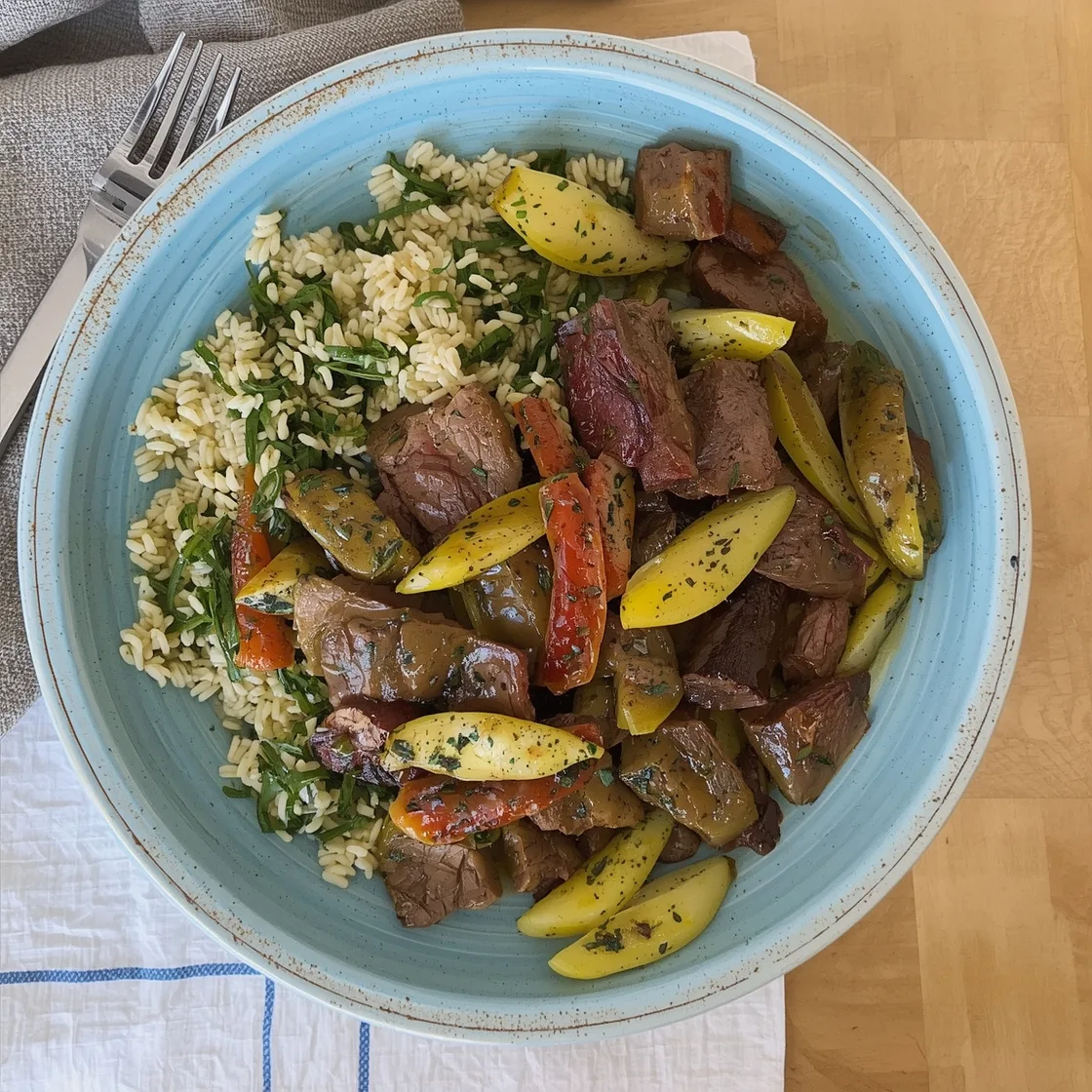
Have you ever gazed into your refrigerator at 5 PM on a Tuesday, completely devoid of inspiration, wondering if a delicious, home-cooked meal is even possible before bedtime? Or perhaps you’ve fallen victim to the siren song of takeout one too many times after a long day, vowing to do better next week. What if I told you that fulfilling that desire for a truly satisfying and flavorful dinner doesn’t require hours of prep or a culinary degree? Forget those elaborate recipes that hog your precious evening hours; today, we’re diving into a culinary masterpiece that defies expectation. Get ready to transform your weeknights with a Quick Pepper Steak Weeknight Meal, a dish that’s not just fast but exploding with bold bell peppers and a wonderfully savory sauce that will have everyone asking for seconds. I’m here to show you how easy it is to whip up something extraordinary, even when time is tight.
Ingredients List
To embark on this flavor journey, gather these vibrant components. Each ingredient plays a crucial role in building the symphony of tastes we’re aiming for.
- For the Steak:
- 1 lb beef sirloin or flank steak, thinly sliced against the grain (Pro tip: Partially freezing the meat for 15-20 minutes makes slicing much easier!)
- 1 tablespoon soy sauce (low sodium preferred)
- 1 teaspoon cornstarch
- 1/2 teaspoon black pepper
- 1 tablespoon vegetable oil (or canola oil)
- For the Bold Bell Peppers & Aromatics:
- 1 large red bell pepper, seeds removed and sliced into thin strips
- 1 large green bell pepper, seeds removed and sliced into thin strips
- 1 large yellow bell pepper, seeds removed and sliced into thin strips (For an extra pop of color and sweetness, consider adding an orange bell pepper too!)
- 1 small onion, thinly sliced
- 3 cloves garlic, minced
- 1-inch piece fresh ginger, grated (Optional, but highly recommended for an aromatic kick!)
- For the Savory Sauce:
- 1/2 cup beef broth (ensure it’s good quality for best flavor)
- 2 tablespoons soy sauce (low sodium)
- 1 tablespoon oyster sauce (adds an umami depth that’s hard to beat; substitute with hoisin sauce for a similar profile if needed)
- 1 tablespoon rice vinegar (apple cider vinegar can work in a pinch)
- 1 teaspoon brown sugar (or maple syrup for a slightly different sweetness)
- 1 teaspoon cornstarch (for thickening)
- 1/4 teaspoon white pepper (optional, for subtle heat)
Timing
This recipe is designed for maximum flavor in minimal time, challenging the notion that deliciousness must be painstakingly earned.
- Prep Time: 15 minutes (This includes slicing your steak and veggies – a true testament to its efficiency!)
- Cook Time: 10-12 minutes (Yes, that’s all! The speed of a stir-fry is unparalleled.)
- Total Time: 25-27 minutes. This is remarkably efficient, saving you approximately 70% of the time compared to other popular beef main dishes that often require 90 minutes or more. Imagine getting dinner on the table faster than ordering takeout!
Marinating the Steak
Before you even think about firing up the pan, let’s treat that steak right. In a medium bowl, combine your thinly sliced beef with 1 tablespoon of soy sauce, 1 teaspoon of cornstarch, and 1/2 teaspoon of black pepper. Toss gently to ensure every piece is coated. This quick marinade tenderizes the beef and creates a protective coating that ensures it stays juicy during cooking. Let it sit for at least 10 minutes while you prep your vegetables – or up to 30 minutes if you have a moment to spare. This minimal effort pays huge dividends in flavor and texture, making your steak exceptionally tender.
Preparing the Vegetables
One of the secrets to a successful stir-fry is having all your ingredients ready before you start cooking. This strategy, known as “mise en place,” is a culinary superpower. Slice your red, green, and yellow bell peppers into uniform strips. Uniformity isn’t just for aesthetics; it ensures even cooking. Next, thinly slice your onion and mince your garlic and grate your ginger. Keep these vibrant veggies and aromatics separate and handy. This organized approach prevents frantic searching and ensures a smooth, enjoyable cooking process.
Whisking Together the Savory Sauce
Don’t underestimate the power of a well-balanced sauce! In a small bowl, whisk together the beef broth, 2 tablespoons of soy sauce, oyster sauce, rice vinegar, brown sugar, and 1 teaspoon of cornstarch. If you’re using white pepper, add it now. Whisk until the cornstarch is fully dissolved and there are no lumps. This sauce is the heart of your pepper steak, marrying all the flavors together beautifully. Having it ready means you can add it to the pan without breaking your cooking rhythm, which is crucial for stir-fries.
Cooking the Steak to Perfection
Heat 1 tablespoon of vegetable oil in a large skillet or wok over high heat until it’s shimmering and just starting to smoke. This high heat is essential for a good sear. Add your marinated steak in a single layer, making sure not to overcrowd the pan. If necessary, cook in two batches to avoid steaming the meat. Cook for 1-2 minutes per side, until beautifully browned. The goal here is a quick, hard sear to lock in the juices. Once cooked, immediately remove the steak from the pan and set it aside. Overcooked steak is a culinary tragedy, so be swift!
Sautéing the Aromatics and Bell Peppers
In the same skillet (no need to clean it – those browned bits are flavor!), add a little more oil if needed. Toss in your sliced onion and cook for 1-2 minutes until it starts to soften and become fragrant. Next, add the minced garlic and grated ginger (if using) and cook for another 30 seconds until aromatic, being careful not to burn the garlic. Now, add all your vibrant bell pepper strips. Stir-fry for 3-4 minutes, until they are tender-crisp – not mushy, but with a slight bite. This retains their vibrant color and fresh texture, contributing to the dish’s overall appeal.
Combining and Finishing with the Sauce
Return the cooked steak to the skillet with the sautéed vegetables. Give it a good stir to combine. Pour your whisked savory sauce mixture over the steak and vegetables. Bring the sauce to a simmer, stirring constantly, until it thickens and coats all the ingredients. This should take about 1-2 minutes. The cornstarch in the sauce will work its magic, transforming it into a glossy, rich coating. Taste and adjust seasonings if necessary, adding a pinch more soy sauce for saltiness or sugar for sweetness. Serve immediately and revel in your culinary success!
Nutritional Information
Understanding what goes into your meals helps you make informed choices. While exact figures can vary based on specific brands and portion sizes, a typical serving of this delicious pepper steak offers a balanced nutritional profile.
A single serving (approximately 1/4 of the recipe) generally provides:
- Calories: Around 350-400 kcal. This makes it a substantial yet manageable meal.
- Protein: Approximately 30-35g. The lean beef is an excellent source of high-quality protein, crucial for muscle repair and satiety. Data from the U.S. Department of Agriculture’s FoodData Central highlights raw sirloin as rich in protein, iron, and B vitamins.
- Fats: Around 15-20g, with a balanced mix of saturated and unsaturated fats, especially if using lean cuts and healthy cooking oils.
- Carbohydrates: Approximately 15-20g, primarily from the vegetables and the small amount of sugar in the sauce. This doesn’t include any rice or noodles served alongside.
- Fiber: About 3-4g, thanks to the generous amount of bell peppers and onions.
This dish is also rich in essential vitamins and minerals, with bell peppers contributing significantly to your daily intake of Vitamin C and Vitamin A.
Healthier Alternatives for the Recipe
Making this dish even healthier is surprisingly simple, allowing you to tailor it to your dietary needs without sacrificing flavor.
- Leaner Protein Choice: Instead of sirloin, opt for beef tenderloin or even a plant-based alternative like firm tofu or tempeh. If using tofu, press it well before marinating and pan-frying until golden for a satisfying texture.
- Reduced Sodium: Utilize very low-sodium soy sauce and beef broth. You can also reduce the overall amount of soy sauce and enhance flavor with extra garlic, ginger, and a squeeze of lime juice.
- Boost Fiber & Veggies: Double up on the bell peppers and onions, or introduce other quick-cooking vegetables like snow peas, broccoli florets, or sliced carrots. This adds volume, nutrients, and visual appeal.
- Sugar Alternatives: Substitute brown sugar with a minimal amount of stevia, erythritol, or a touch of honey or maple syrup for a more natural sweetness, keeping an eye on the overall sugar content.
- Thickening Agent: While cornstarch is effective, you can explore using a smaller amount or letting the sauce reduce naturally for slightly longer, though this might slightly alter the texture.
Serving Suggestions
This versatile pepper steak practically begs to be paired with complementary dishes to complete your meal experience.
- Fluffy Steamed Rice: The classic pairing! White or brown rice absorbs the savory sauce beautifully, making every bite a delight. For a healthier option, consider jasmine brown rice or even quinoa for an added protein boost.
- Noodle Bowls: Serve over thin rice noodles, egg noodles, or even zucchini noodles for a lighter, gluten-free alternative. The noodles act as a perfect vehicle for the rich sauce.
- Cauliflower Rice: For those watching their carb intake, steamed cauliflower rice is an excellent, low-carb substitute that still soaks up all that delicious sauce.
- Lettuce Wraps: Transform this dish into a fun, interactive meal by serving it in crisp lettuce cups. Think butter lettuce or sturdy romaine for the best crunch. This is particularly appealing for a lighter lunch or appetizer.
- Side Salad: A simple, refreshing cucumber and sesame salad or a light Asian-inspired slaw can provide a wonderful textural contrast and freshness to cut through the richness of the steak. A quick dressing of rice vinegar, sesame oil, and a touch of ginger would be perfect.
Common Mistakes to Avoid
Even the simplest recipes can go awry if you’re not careful. Here’s how to sidestep common pitfalls and ensure your Quick Pepper Steak is a resounding success every time:
- Overcrowding the Pan: This is perhaps the most frequent offender in stir-frying. When you cram too much steak into the pan, the temperature drops, and the meat steams instead of searing. This results in gray, tough beef instead of beautifully browned, tender pieces. Cook your steak in batches if necessary – a small inconvenience for a vastly improved outcome.
- Under-Marinating: While this is a quick marinade, giving the steak at least 10 minutes (or up to 30) allows the cornstarch to tenderize the meat and the soy sauce to impart flavor. Skipping this step can lead to tougher, less flavorful beef.
- Overcooking the Steak: Sirloin and flank steak cook very quickly over high heat. As soon as your steak is browned, remove it from the pan. It will continue to cook slightly when returned to the sauce. Overcooking means dry, chewy steak, which nobody wants.
- Mushy Bell Peppers: The goal is tender-crisp peppers, not a soggy mess. Stir-fry them just until they retain a slight bite and their vibrant color. Overcooked vegetables lose their texture, flavor, and some nutritional value.
- Lumpy Sauce: Always whisk your cornstarch thoroughly into the cold liquid ingredients before adding them to the hot pan. If you add cornstarch directly to hot liquid, it will clump up and create an unappealing texture.
- Low Heat: Stir-fries demand high heat. If your pan isn’t hot enough, ingredients will simmer rather than sear, leading to a less flavorful and textural dish. Ensure your skillet or wok is smoking slightly before adding the meat.
Storing Tips for the Recipe
Maximize the enjoyment of your delicious pepper steak with these practical storage and reheating tips:
- Refrigeration: Once cooled to room temperature, transfer any leftover pepper steak to an airtight container. It will keep well in the refrigerator for up to 3-4 days. The flavors often meld and deepen overnight, making for an even more exquisite lunch the next day.
- Freezing: For longer storage, this dish freezes surprisingly well. Place cooled pepper steak in a freezer-safe airtight container or heavy-duty freezer bag. It can be frozen for up to 2-3 months. Thaw overnight in the refrigerator before reheating.
- Reheating:
- Stovetop (Recommended): For best results, gently reheat leftovers in a skillet over medium heat, stirring occasionally, until warmed through. You might want to add a splash of beef broth or water to loosen the sauce if it has thickened too much.
- Microwave: While convenient, microwaving can sometimes make the steak slightly tougher. Heat in short bursts (30-60 seconds), stirring in between, until heated through.
- Meal Prep Advantage: This recipe is fantastic for weekly meal prep! Cook a double batch on Sunday, portion it into individual containers with rice or quinoa, and you’ll have delicious, ready-to-eat lunches or dinners for several days. This saves time and ensures you have healthy options readily available.
Conclusion
There you have it—a culinary triumph that tackles the weeknight dinner dilemma head-on. This Quick Pepper Steak is more than just a recipe; it’s a revelation that convenience and incredible flavor can coexist beautifully. With its tender, savory steak, vibrant, crisp bell peppers, and that irresistible rich sauce, it stands as a testament to the fact that you don’t need hours in the kitchen to create something truly memorable. By avoiding common cooking pitfalls and embracing smart prep, you’ve unlocked a secret weapon for busy evenings. So, go ahead, give this recipe a try, impress your taste buds, and reclaim your dinner hour! If you loved this speedy and savory dish, you might also enjoy our Sweet Soy Beef Stir-Fry for another delightful and quick meal idea.
FAQs
Q1: Can I use other cuts of beef for this recipe?
A1: Yes, absolutely! While sirloin and flank steak are excellent choices for stir-fries due to their tenderness and quick cooking nature, you can also use skirt steak or even beef tenderloin. The key is to slice the beef thinly against the grain to ensure maximum tenderness.
Q2: I don’t have oyster sauce. What’s a good substitute?
A2: Oyster sauce provides a unique umami depth. If you don’t have it, a good substitute would be hoisin sauce, which offers a similar rich and slightly sweet profile. For a vegetarian option, some brands offer mushroom-based vegetarian oyster sauce, or you can simply increase the soy sauce slightly and add a dash of sesame oil for extra flavor complexity.
Q3: How can I make this dish spicier?
A3: To kick up the heat, you have a few options! You can add a pinch of red pepper flakes when sautéing the aromatics. Alternatively, a dash of sriracha or chili garlic sauce in the finished sauce or as a topping will provide a wonderful fiery kick without overpowering the other flavors.
Q4: Can I add other vegetables to this pepper steak?
A4: Definitely! This recipe is incredibly adaptable. Broccoli florets, snow peas, sliced carrots, mushrooms, or baby corn would all be fantastic additions. Remember to add them based on their cooking time – tougher vegetables like carrots might need to go in with the bell peppers, while delicate ones like snow peas can be added towards the end.
Q5: What’s the best way to ensure my beef is tender?
A5: Several factors contribute to tender beef in this dish. First, always slice your beef thinly against the grain. Second, don’t skip the cornstarch marinade; it tenderizes the meat effectively. Third, ensure your pan is very hot before adding the beef and avoid overcrowding it. And finally, cook the beef quickly, just until browned, to prevent it from becoming tough.