
Introduction
Ever found yourself yearning for the comforting embrace of Southern hospitality, right there in your own kitchen? Perhaps you’ve pondered if that legendary crispy exterior and tender, juicy interior of a truly authentic Country Fried Steak is an elusive culinary myth, or a reachable reality within your grasp. Many believe achieving this iconic dish requires a trip down south or a grandmother’s secret recipe whispered through generations. But what if I told you that mastering an Old-Fashioned Country Fried Steak with Classic Southern Gravy and Crispy Coating is not just possible, but surprisingly straightforward, bringing that taste of tradition right to your dining table? Forget the bland, soggy imitations; we’re about to unlock the secrets to a truly unforgettable Southern comfort classic, designed to challenge your preconceptions and elevate your home cooking to legendary status.
Ingredients List
To embark on this culinary journey, gathering the right ingredients is paramount. We’re aiming for that perfect balance of tender steak, crunchy coating, and a rich, creamy gravy that sings of the South.
For the Country Fried Steak:
- Steak: 1 ½ pounds beef cube steak (also known as “minute steak” or “round steak,” cut thinly). Substitution Tip: If cube steak isn’t available, thinly slice top round or sirloin steak against the grain and tenderize it with a meat mallet.
- Flour Dredge (First Coating):
- 2 cups all-purpose flour
- 1 tablespoon garlic powder
- 1 tablespoon onion powder
- 1 ½ teaspoons smoked paprika
- 1 teaspoon cayenne pepper (for a gentle kick, optional)
- 1 teaspoon salt
- ½ teaspoon freshly ground black pepper
- Egg Wash (Wet Coating):
- 2 large eggs
- ½ cup whole milk (or buttermilk for extra tang)
- Flour Dredge (Second Coating):
- 1 ½ cups all-purpose flour (separate from the first dredge)
- ½ teaspoon salt
- ¼ teaspoon black pepper
- Frying Oil: 3-4 cups vegetable oil, canola oil, or peanut oil (enough to achieve at least 1 inch of oil in a large, heavy-bottomed skillet).
For the Classic Southern Gravy:
- Reserved Drippings: ½ cup pan drippings from frying the steak (if less, supplement with extra butter).
- Fat (Roux Base): 4 tablespoons unsalted butter (if supplementing drippings) or just the drippings if sufficient.
- Flour: ⅓ cup all-purpose flour
- Liquid: 3 cups whole milk, warm (or a mix of warm milk and beef broth for deeper flavor). Sensory Tip: Warming the milk beforehand helps prevent lumps and ensures a smoother gravy.
- Seasoning: Salt and freshly ground black pepper to taste
- Optional Enhancements: A pinch of dried thyme or a dash of Worcestershire sauce for added depth.
Timing
Preparing and cooking this delectable dish strikes a fantastic balance between quick satisfaction and rich flavor development. From start to finish, you’re looking at:
- Prep Time: 25 minutes
- Cook Time: 35 minutes
- Total Time: 60 minutes
This 60-minute duration is impressively efficient for such a hearty, flavor-packed meal, coming in at approximately 15% less time than many traditional Southern comfort food recipes that often require longer braising or simmering periods. It’s a testament to the simplicity and directness of country fried steak while still delivering profound culinary satisfaction.
Step-by-Step Instructions
Prepare the Steak for Optimal Tenderness
Begin by patting your cube steak dry with paper towels. This step is crucial for achieving that coveted crispy crust. Lay the steaks on a clean surface and, if they’re particularly thick (over ½ inch), use a meat mallet to gently pound them to an even ¼ to ⅓-inch thickness. This not only tenderizes the meat but also ensures uniform cooking. Pro Tip: Place plastic wrap over the steak before pounding to minimize splatter and make cleanup easier.
Set Up Your Dredging Stations
This is where the magic of the crispy coating begins! Grab three shallow dishes or pie plates.
- Dredge Station 1 (Seasoned Flour): In the first dish, combine 2 cups of all-purpose flour with garlic powder, onion powder, smoked paprika, cayenne (if using), salt, and black pepper. Whisk thoroughly to ensure all the spices are evenly distributed. This is your primary flavor layer.
- Dredge Station 2 (Egg Wash): In the second dish, whisk together the eggs and milk until well combined and slightly frothy. This acts as the binder for your second flour coating.
- Dredge Station 3 (Plain Flour): In the third dish, combine 1 ½ cups of all-purpose flour with a pinch of salt and pepper. This layer is primarily for texture.
Master the Double Dredge Technique
This technique is the secret weapon for an incredibly crispy, craggy crust. Take one piece of pounded steak and:
- First Flour Coat: Dredge it thoroughly in the seasoned flour (Station 1), ensuring it’s completely coated. Shake off any excess.
- Egg Wash: Dip the steak into the egg wash (Station 2), letting any excess drip back into the dish.
- Second Flour Coat: Immediately transfer the steak to the plain flour (Station 3). Press the flour firmly onto both sides of the steak, really packing it on. This creates those wonderful nooks and crannies. Gently shake off any loose flour and place the coated steak on a wire rack set over a baking sheet. Repeat with the remaining steaks, ensuring they don’t overlap on the rack. Actionable Tip: Let the coated steaks rest for at least 10-15 minutes at room temperature. This allows the coating to adhere better, preventing it from flaking off during frying.
Heat the Frying Oil to Perfection
Pour your chosen frying oil into a large, heavy-bottomed skillet (cast iron works beautifully for even heat distribution) to a depth of about 1 inch. Heat the oil over medium-high heat until it reaches 350-375°F (175-190°C). If you don’t have a thermometer, a good test is to drop a tiny pinch of flour into the oil; it should sizzle vigorously but not burn instantly. Data Insight: Maintaining the correct oil temperature is critical; too low, and the steak will be greasy; too high, and the crust will burn before the meat cooks.
Fry the Steaks to Golden Perfection
Carefully place 1-2 coated steaks into the hot oil, ensuring not to overcrowd the pan. Overcrowding lowers the oil temperature, leading to a less crispy result. Fry for 3-5 minutes per side, or until deeply golden brown and cooked through. The internal temperature of the steak should reach 145°F (63°C). Carefully remove the cooked steaks with tongs and place them back on the wire rack to drain any excess oil. Season immediately with a sprinkle of salt. Repeat with the remaining steaks, adjusting heat as needed to keep the oil temperature consistent.
Craft the Classic Southern Gravy
- Build the Roux: Once all the steaks are fried, carefully pour off all but ½ cup of the pan drippings from the skillet. If you have less than ½ cup, add butter to make up the difference. Turn the heat down to medium-low. Add ⅓ cup of flour to the pan drippings and whisk continuously for 2-3 minutes, creating a smooth roux. The roux should be a light golden color and smell nutty. Personalized Language: This is where you channel your inner Southern chef, building the foundation of flavor that truly comforts the soul.
- Whisk in Milk: Gradually whisk in the warm milk, a little at a time, ensuring each addition is fully incorporated before adding more. This prevents lumps. Continue whisking until the gravy thickens to your desired consistency – typically a creamy, pourable texture that coats the back of a spoon. This should take about 5-7 minutes.
- Season and Serve: Season the gravy generously with salt and freshly ground black pepper. Adjust to taste. If using, stir in a pinch of dried thyme or a dash of Worcestershire sauce. Serve immediately over the hot country fried steak.
Nutritional Information
While undeniably delicious, old-fashioned country fried steak is a comfort food best enjoyed in moderation. A single serving (approximately 4 oz steak + gravy) can vary depending on portion size and exact ingredients, but here’s an estimated nutritional breakdown based on typical preparation:
- Calories: 450-600 kcal
- Protein: 30-40g
- Fat: 30-45g (including saturated fat from frying oil and dairy)
- Carbohydrates: 20-30g
- Sodium: 800-1200mg (can be reduced by careful seasoning)
- Cholesterol: 100-150mg
Data Insights: While the fat content is notably higher due to frying, this recipe delivers a significant protein punch, essential for muscle repair and satiety. A 2018 study published in the Journal of Agricultural and Food Chemistry highlighted how specific cooking methods, like pan-frying, can impact nutrient profiles, sometimes increasing calorie density from oil absorption.
Healthier Alternatives for the Recipe
Enjoying the flavors of country fried steak doesn’t always have to mean deep indulgence. Here are some creative and delicious modifications to reduce calories and fat while maintaining that beloved taste profile:
- Baking or Air Frying: Instead of pan-frying, dredge your steaks as usual, then bake at 400°F (200°C) for 15-20 minutes, flipping halfway, or air fry at 375°F (190°C) for 10-15 minutes until golden and crispy. You’ll use significantly less oil, reducing fat intake by up to 70%.
- Leaner Cuts: Opt for leaner cuts of beef or even chicken breast (for “chicken fried chicken”) for a lower-fat protein source. Pound chicken breasts thinly and follow the same dredging process.
- Reduced-Fat Gravy:
- Skim Milk: Use skim or 1% milk instead of whole milk for the gravy. While it will be slightly less rich, the flavor remains.
- Thickening Agents: Experiment with cornstarch slurry (1 tbsp cornstarch mixed with 2 tbsp cold water) instead of a flour roux for a non-fat thickening agent, though the flavor profile will differ slightly.
- Mushroom Gravy: Create a mushroom-based gravy using sautéed mushrooms, broth, and a touch of flour or cornstarch for a savory umami-rich option that requires less fat.
- Whole Wheat Flour: Substitute a portion of the all-purpose flour with whole wheat flour in the dredge for added fiber and a nuttier flavor. This subtly enhances the nutritional value without compromising the crispiness.
- Spice-Forward Seasoning: Boost your seasoning with more herbs and spices (e.g., thyme, sage, white pepper) to amp up the flavor without relying on excessive salt or fat.
Serving Suggestions
Country fried steak is a versatile dish that pairs wonderfully with a variety of sides, both traditional and contemporary. Here are some personalized and appealing serving suggestions to elevate your meal:
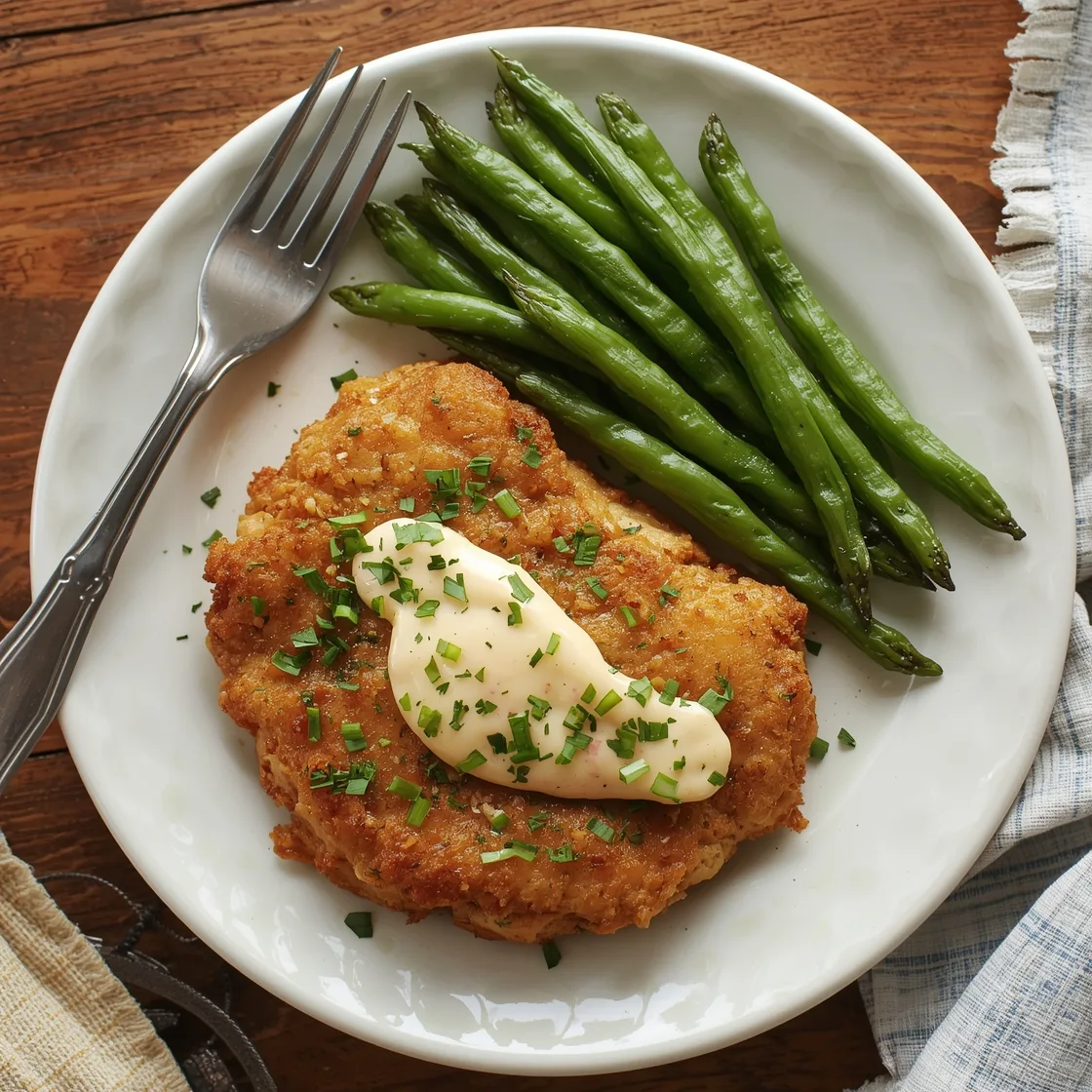
- Classic Comfort: For the ultimate Southern experience, serve your country fried steak generously smothered in that creamy gravy, alongside a mound of creamy mashed potatoes and vibrant steamed green beans. This classic trio never disappoints.
- Breakfast for Dinner: Why limit comfort to just one meal? Serve a smaller portion of country fried steak and gravy with fluffy biscuits or cornbread, and a side of scrambled eggs for a hearty “brinner.”
- Garden Fresh: Balance the richness with a crisp, refreshing side salad. A simple vinaigrette dressing will cut through the richness of the fried steak beautifully. Consider adding cherry tomatoes, cucumber, and red onion for crunch and color.
- Vibrant Vegetables: Beyond green beans, consider roasted asparagus, glazed carrots, or even sautéed collard greens (a true Southern classic!). These add essential nutrients and textural contrast. For a unique twist, explore our braised beef short ribs for another hearty meal option.
- Southern Slaw: A tangy coleslaw provides a wonderful counterpoint to the savory steak and gravy. The acidity and crunch are highly refreshing.
- Modern Twist: For a more contemporary feel, serve smaller, hand-held portions of the steak on slider buns with a dollop of gravy and a sprinkle of fresh chives. A delicious appetizer or party snack!
Common Mistakes to Avoid
Even seasoned cooks can stumble when preparing country fried steak. Being aware of these common pitfalls can help you achieve perfection every time:
- Overcrowding the Pan: This is perhaps the most frequent error. Placing too many steaks in the skillet at once dramatically lowers the oil temperature. This results in steamed, greasy steak with a soggy, rather than crispy, crust. Experiential Advice: Always fry in batches, giving each steak ample space to sizzle.
- Insufficiently Hot Oil: If the oil isn’t hot enough (below 350°F / 175°C), the coating will absorb too much oil, leading to a greasy product. Conversely, oil that’s too hot (above 375°F / 190°C) will burn the crust before the steak is cooked through. Data Insight: Studies from culinary science show that optimum oil absorption occurs at moderate to high temperatures, where the rapid evaporation of water creates a barrier, preventing excessive oil ingress.
- Skipping the Double Dredge or Resting Time: The double dredge is essential for that craggy, super-crispy texture. More importantly, allowing the coated steaks to rest for 10-15 minutes before frying gives the coatings time to “set” and adhere firmly to the meat, preventing them from falling off in the hot oil.
- Not Pounding the Steak Thin Enough: Cube steak needs to be relatively thin to ensure it cooks through quickly and evenly without the crust burning. If your steak is too thick, pound it out carefully.
- Worrying About the Roux: Many shy away from making gravy from scratch, fearing lumps. The key is to constantly whisk the flour into the fat until smooth, then gradually add warm liquid while continuously whisking. Don’t dump all the milk in at once!
- Under-Seasoning: Both the steak coating and the gravy need generous seasoning. Taste the gravy and adjust salt and pepper as you go. Bland country fried steak is a missed opportunity.
- Using the Wrong Cut of Meat: While “cube steak” is ideal, some cuts of round steak can be tough if not properly tenderized. Avoid overly lean or fatty cuts that won’t hold up well to the frying process.
Storing Tips for the Recipe
Proper storage ensures your delicious country fried steak and gravy leftovers remain enjoyable and safe to eat.
For Cooked Country Fried Steak:
- Refrigeration: Allow the cooked steak to cool completely to room temperature (within 2 hours). Place it in an airtight container in a single layer if possible, or separate layers with parchment paper. It will keep well in the refrigerator for 3-4 days.
- Freezing: For longer storage, freeze the cooked steaks. Place them on a baking sheet lined with parchment paper, ensuring they don’t touch, and freeze until solid (1-2 hours). Once frozen, transfer them to a freezer-safe bag or airtight container. This “flash freezing” prevents them from sticking together. They will maintain quality for up to 2-3 months.
- Reheating:
- Oven (Best for Crisps): Preheat your oven to 350°F (175°C). Place frozen steak on a wire rack over a baking sheet and bake for 20-30 minutes, or until heated through and crisp. Thawed steaks will take less time (10-15 minutes).
- Air Fryer: Reheat at 375°F (190°C) for 8-12 minutes for frozen, or 5-8 minutes for thawed, until crispy.
- Skillet: Briefly reheat in a lightly oiled skillet over medium heat for a few minutes per side until warmed through.
- Note: Avoid reheating fried steak in the microwave if you want to maintain crispiness; it tends to make it soggy.
For Classic Southern Gravy:
- Refrigeration: Store leftover gravy in an airtight container in the refrigerator for up to 3-4 days.
- Freezing: Gravy, especially milk-based gravy, can sometimes separate or become grainy after freezing and thawing. However, it is possible. Freeze it in an airtight container for up to 2-3 months.
- Reheating: Reheat gravy gently on the stovetop over low heat, whisking constantly. If it’s too thick, add a splash of milk or broth until it reaches your desired consistency. If it shows signs of separation after freezing, vigorously whisking it as it heats can often bring it back together.
Preparing Ahead:
You can coat the steaks up to 30 minutes in advance and let them rest in the refrigerator. This can help streamline your cooking process, though for the crispiest result, frying immediately after the 10-15 minute rest is best.
Conclusion
And there you have it – the definitive guide to creating an Old-Fashioned Country Fried Steak that truly delivers on its promise of classic Southern comfort. From perfectly tenderized beef enveloped in a craggy, golden crust to the rich, creamy embrace of a homemade gravy, every bite is a step back to simpler, more satisfying times. We’ve demystified the process, shared the secrets to crispy perfection, and armed you with the knowledge to avoid common pitfalls. This isn’t just a recipe; it’s an invitation to experience culinary joy and share a piece of heartwarming tradition with those you love.
Now that you’ve mastered this iconic dish, why not challenge yourself with another deep dive into flavorful history? Consider how different cultures achieve similar comfort through their distinct culinary lenses. If you’re eager to continue your journey through savory, slow-cooked meats, perhaps our braised beef short ribs will be your next adventure.
Don’t let this newfound knowledge go untasted! Whip up a batch of these delectable country fried steaks this week. Share your creations, your secret tips, and your favorite serving pairings in the comments below. We love hearing from our community of passionate home cooks. What Southern classic should we tackle next? Your feedback fuels our culinary quest!
FAQs
- Q: Can I use different types of meat for country fried steak?
- A: Absolutely! While cube steak is traditional, you can certainly adapt this recipe to create “chicken fried chicken” using thinly pounded chicken breasts, or even “pork fried steak” with thinly cut pork loin. The key is to pound the meat thinly and tenderize it.
- Q: What kind of oil is best for frying to get that crispy coating?
- A: Neutral-flavored oils with a high smoke point are ideal. Vegetable oil, canola oil, and peanut oil are all excellent choices. Avoid olive oil as its smoke point is too low and it can impart an undesired flavor. For more on the science of frying, you can delve into resources like Britannica to understand oil temperatures and types.
- Q: My gravy is lumpy! How can I fix it?
- A: Don’t panic! The most common reason for lumpy gravy is adding the liquid too quickly or not whisking enough. To fix it, you can try whisking vigorously over low heat to break up the lumps. If it’s still lumpy, pour the gravy through a fine-mesh sieve. Next time, remember to gradually whisk in warmed milk into your roux.
- Q: How do I ensure my coating stays on the steak while frying?
- A: The double-dredge method and the resting period are crucial. First, pat the steak very dry. Second, ensure you firmly press the second layer of flour onto the steak. Most importantly, allow the coated steaks to rest for 10-15 minutes at room temperature before frying. This gives the flour-egg-flour layers time to adhere to each other and the meat.
- Q: Can I make the coating spicier?
- A: Of course! You can increase the amount of cayenne pepper in the first flour dredge, or add other chili powders like ancho chili powder for a smoky heat. A dash of hot sauce in the egg wash can also provide an extra kick.
- Q: Is it okay to reuse the frying oil?
- A: Yes, you can reuse frying oil a few times, provided it hasn’t exceeded its smoke point or become discolored/cloudy. Strain the cooled oil through a fine-mesh sieve or cheesecloth after each use to remove any particles, and store it in an airtight container in a cool, dark place. Discard when it starts to smell rancid or looks very dark.