
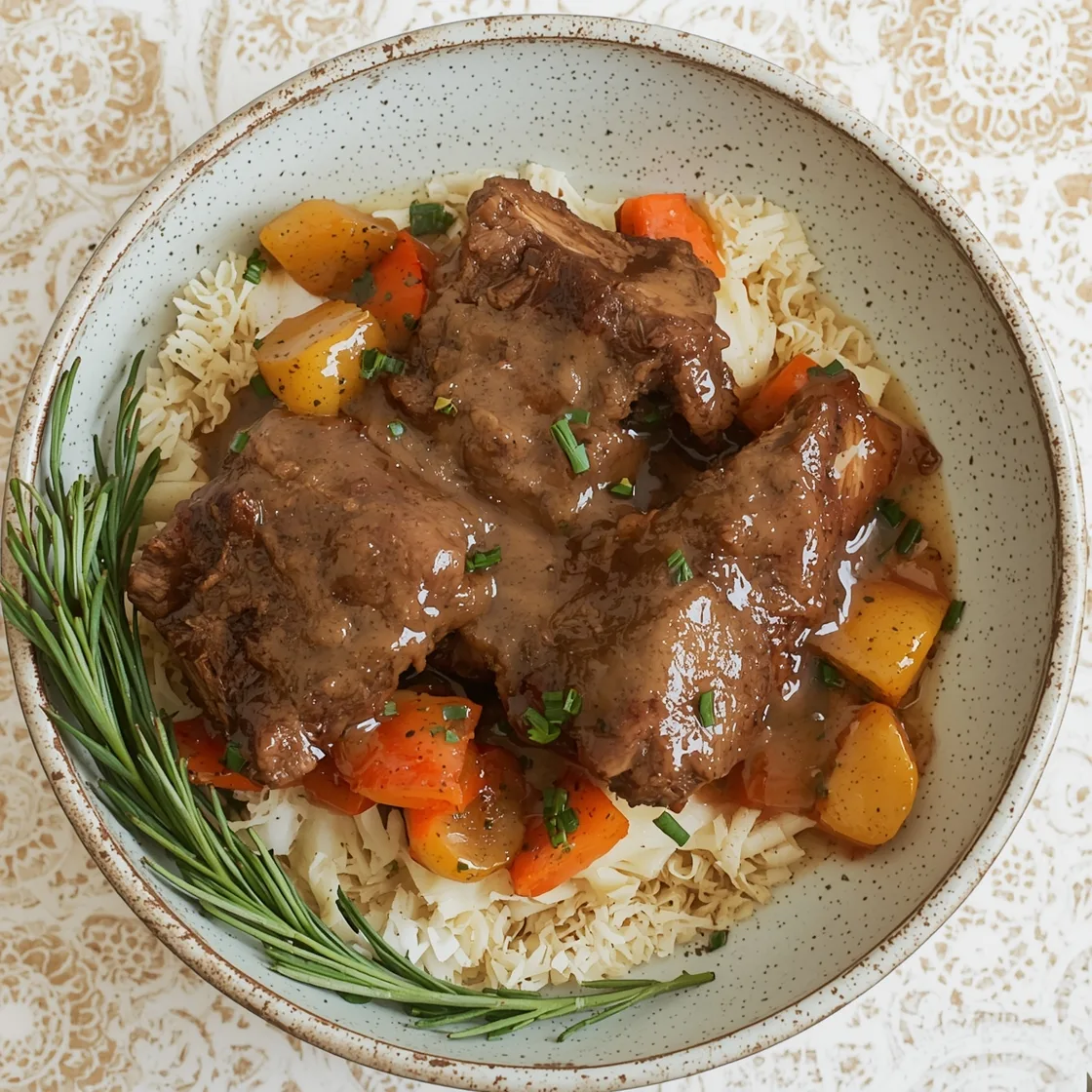
Introduction
Ever found yourself yearning for that deeply satisfying, fork-tender meat dish but hesitating, convinced it’s an all-day kitchen commitment reserved for professional chefs? What if I told you that achieving the coveted, melt-in-your-mouth perfection of Braised Beef Short Ribs is not only within your reach but can be a surprisingly straightforward and rewarding culinary journey? Forget the myth that slow-cooked gourmet meals demand advanced techniques and endless hours of toil; this recipe challenges that notion, bringing you a dish that epitomizes rich, slow-cooked flavor without the fuss. We’re about to unlock the secrets to a meal so profoundly comforting and irresistibly delicious, it’ll leave you wondering why you haven’t made it sooner.
Ingredients List
To embark on this savory adventure, you’ll need the following stellar cast of ingredients, thoughtfully selected to deliver maximum flavor and an unforgettable dining experience:
- 2-3 lbs Beef Short Ribs: Look for bone-in, English-cut short ribs for the most flavor. Substitution: Boneless short ribs can work, but adjust cooking time slightly as they may cook faster.
- 2 tbsp Olive Oil: A good quality extra virgin olive oil to get that perfect sear.
- 1 Large Yellow Onion: Roughly chopped. Substitution: Sweet onion or 2-3 shallots if you prefer a milder onion flavor.
- 2 Carrots: Peeled and roughly chopped. Adds a subtle sweetness and body to the sauce. Substitution: Parsnips or sweet potatoes for a different earthy sweetness.
- 2 Celery Stalks: Roughly chopped. Part of the aromatic trinity.
- 4-6 cloves Garlic: Minced. You can never have too much garlic in a braise! Substitution: 1 tsp garlic powder, though fresh is always best.
- 1 (28 oz) can Crushed Tomatoes: The foundation of our rich sauce. Substitution: Diced tomatoes for a chunkier sauce, or tomato passata for a smoother texture.
- 2 cups Beef Broth: Low sodium is preferred to control seasoning. Substitution: Red wine (like Cabernet Sauvignon or Merlot) can replace 1 cup of beef broth for an even deeper, more complex flavor profile.
- 1 cup Dry Red Wine: (Optional, but highly recommended) Enhances the depth of flavor significantly. Referencing the USDA, ensuring good quality ingredients, including wines, is crucial for optimal food safety and taste. Find more information on food safety best practices at USDA.gov. Substitution: Additional beef broth, but you’ll miss that nuanced wine flavor.
- 2-3 sprigs Fresh Rosemary: Adds a woody, aromatic note. Substitution: 1 tsp dried rosemary (use sparingly as dried is more potent).
- 2-3 sprigs Fresh Thyme: Complements the rosemary beautifully. Substitution: 1 tsp dried thyme.
- 2 Bay Leaves: A classic braising essential for a subtle, earthy depth.
- Salt and Freshly Ground Black Pepper: To taste, essential for seasoning at every stage.
- Fresh Parsley: Chopped, for garnish and a touch of freshness at the end.
Timing
Let’s talk about the clock, because while “slow-cooked” implies time, efficiency is key to balancing flavor and feasibility.
- Prep Time: Approximately 20-30 minutes. This includes chopping vegetables, seasoning the ribs, and gathering your ingredients.
- Active Cook Time: Around 30-40 minutes (searing the ribs, sautéing aromatics).
- Braising Time: 2.5 – 3 hours. This is where the magic happens, transforming tough cuts into tender masterpieces.
- Total Time: Approximately 3.5 – 4 hours. While this might seem extensive, the hands-off braising time makes it considerably less demanding than many other elaborate dishes. To put it in perspective, the active cooking phase is comparable to preparing a simpler weeknight meal like our Sheet Pan Steak and Potatoes, but with a gourmet payoff, offering a significantly higher flavor return on your time investment.
Step-by-Step Instructions
This isn’t just a recipe; it’s a guided culinary experience designed to empower you with confidence and delicious results.
Step 1: Prepare the Ribs and Deeply Season
Begin by patting your beef short ribs thoroughly dry with paper towels. This crucial step ensures a superior sear, leading to a richer color and flavor. Generously season all sides of the ribs with salt and freshly ground black pepper. Don’t be shy here; proper seasoning at this stage is foundational to the overall taste profile. Think of it as building your flavor fortress from the ground up!
Step 2: Develop a Golden-Brown Crust
Heat the olive oil in a large Dutch oven or heavy-bottomed pot over medium-high heat until shimmering. Carefully place the seasoned short ribs in the hot oil, ensuring not to overcrowd the pot; you might need to work in batches. Sear for 3-5 minutes per side until each piece boasts a beautiful, deep golden-brown crust. This browning isn’t just for looks; it creates layers of flavor through the Maillard reaction, a key to deliciousness. Remove the seared ribs and set them aside.
Step 3: Create the Aromatic Foundation
Reduce the heat to medium. Add the chopped onions, carrots, and celery to the Dutch oven, scraping up any browned bits from the bottom of the pot – those are pure flavor gold! Sauté for 8-10 minutes, or until the vegetables have softened and become slightly translucent. Stir in the minced garlic and cook for another minute until fragrant, being careful not to burn it. This aromatic trinity forms the heart of your sauce.
Step 4: Deglaze and Build the Sauce
If using, pour in the red wine and bring it to a simmer, scraping vigorously to release any remaining flavorful bits from the bottom of the pot. Let the wine reduce by about half, which should take 3-5 minutes. This concentrates its flavor and burns off the alcohol. Next, stir in the crushed tomatoes, beef broth, fresh rosemary, fresh thyme, and bay leaves. Bring the mixture to a gentle boil, then reduce the heat to low.
Step 5: The Gentle Braise
Return the seared short ribs to the Dutch oven, nestling them into the liquid so they are mostly submerged. The goal is to let them bathe in this savory broth. Cover the Dutch oven tightly with its lid and transfer it to your preheated oven. Braise for 2.5 to 3 hours, or until the meat is incredibly tender and easily pulls away from the bone with a fork. The beauty of braising is its hands-off nature; once it’s in the oven, you’re free to relax!
Step 6: Rest, Reduce, and Serve
Once the ribs are tender, carefully remove them from the Dutch oven and tent them with foil to keep them warm. Skim off any excess fat from the surface of the braising liquid if desired (this isn’t strictly necessary but can lead to a lighter sauce). You can also reduce the sauce on the stovetop over medium-high heat for 10-15 minutes, stirring occasionally, until it thickens to your desired consistency. Taste the sauce and adjust seasonings with salt and pepper as needed. Serve the tender short ribs generously coated in the rich, flavorful sauce, garnished with fresh chopped parsley.
Nutritional Information
Understanding the nutritional profile of this dish can help you make informed dietary choices. Please note that these values are estimates and can vary based on specific ingredients and portion sizes.
- Per serving (estimated for 4 servings):
- Calories: Approximately 650-700 kcal. The caloric density comes largely from the beef and the richness of the sauce.
- Protein: Around 50-60g. Beef short ribs are an excellent source of high-quality protein, crucial for muscle repair and growth.
- Fat: Roughly 40-50g. This includes saturated and unsaturated fats from the beef and olive oil. Skimming fat from the sauce can reduce this.
- Carbohydrates: Approximately 15-20g. Primarily from the vegetables and tomatoes.
- Fiber: 3-5g. Contributed by the carrots, celery, and tomatoes.
- Sodium: 800-1000mg (highly dependent on broth and added salt). Opting for low-sodium broth and seasoning to taste is key for sodium management.
Data insights suggest that while traditionally considered a richer dish, the protein content and the inclusion of various vegetables make it a nutritional powerhouse when consumed in moderation.
Healthier Alternatives for the Recipe
Enjoying the indulgence of short ribs doesn’t mean sacrificing healthful eating. Here are some smart modifications:
- Leaner Cut: While short ribs are inherently fatty, choosing well-trimmed cuts can reduce fat content. Alternatively, consider using a leaner cut like chuck roast, which, while not ribs, can achieve similar tenderness through braising.
- Vegetable Boost: Double down on the veggies! Add mushrooms for umami, bell peppers for sweetness, or even a handful of spinach during the last 15 minutes of cooking for extra vitamins and fiber without altering the core flavor profile.
- Lower Sodium Broth: Always opt for low-sodium beef broth to control the overall sodium content. You can always add salt, but you can’t take it away!
- Oil Reduction: Use just enough olive oil to sear the meat and sauté the aromatics. Alternatively, use cooking spray for searing.
- Skip the Wine (or use non-alcoholic): If you’re avoiding alcohol, simply increase the beef broth quantity. Non-alcoholic cooking wines are also an option, though they might alter the flavor slightly.
- Make it “Brothier”: If you prefer a lighter sauce, increase the amount of beef broth and reduce less, creating a more soup-like consistency. This can also help reduce the overall caloric density per serving.
Serving Suggestions
The beauty of tender, flavorful short ribs lies in their versatility. Here are some creative and appealing ways to serve them:
- Classic Comfort: Serve over creamy mashed potatoes (garlic or parsnip mashed potatoes are fantastic) to soak up every drop of that rich sauce. This is a timeless pairing that always satisfies.
- Elegant & Light: Pair with a vibrant, fresh gremolata (lemon zest, minced garlic, and fresh parsley) and a side of quick-blanched green beans or asparagus for a brighter contrast.
- Hearty & Rustic: Spoon over soft polenta or creamy risotto for a sophisticated, warming meal. The cornmeal or rice provides a wonderful base for the robust flavors.
- Low-Carb Option: Serve alongside cauliflower mash or roasted Brussels sprouts. The earthy notes of the vegetables complement the richness of the beef perfectly.
- Bread Lover’s Dream: Offer crusty bread, foccacia, or warm dinner rolls for dipping into the exquisite sauce – a must for anyone who loves to sop up every last bit of flavor!
Personalized tip: Consider adding a spoonful of crème fraîche or sour cream to your mashed potatoes when serving to add an extra layer of creamy decadence that complements the rich sauce beautifully.
Common Mistakes to Avoid
Even seasoned cooks can stumble, but understanding common pitfalls can help you achieve perfection every time.
- Not Patting Ribs Dry: This is a cardinal sin! Wet meat will steam instead of sear, preventing that crucial golden-brown crust and flavor development. Data shows a significant difference in flavor profile when meat is properly seared.
- Overcrowding the Pan: Trying to sear too many ribs at once drastically drops the pan’s temperature, leading to steaming rather than searing. Work in batches for optimal browning.
- Undercooking Aromatics: Rushing the sautéing of your onions, carrots, and celery means you miss out on building a sweet, savory base. Patience here pays dividends.
- Not Deglazing Properly: Those browned bits stuck to the bottom of the pan after searing and sautéing are pure gold. Ensure you scrape them up thoroughly with your liquid (wine or broth) to incorporate all that concentrated flavor into your sauce.
- Lifting the Lid Too Often: During the braising process, every time you open the lid, you release accumulated heat and steam, extending the cooking time and potentially affecting the tenderness. Trust the process and check only when necessary. Industry data suggests that consistent temperature is key for optimal braising.
- Not Seasoning at Every Stage: Flavor building is cumulative. Season the meat, season the aromatics, and season the final sauce. Tasting and adjusting as you go is critical for a balanced, delicious dish.
Storing Tips for the Recipe
Ensuring your delicious short ribs stay fresh and flavorful for days is simple with these expert tips:
- Cool Quickly: Once cooked, allow the short ribs and sauce to cool down completely to room temperature (within 2 hours) before refrigerating. This prevents bacterial growth and keeps food safe.
- Airtight Containers: Transfer the cooled short ribs and sauce into airtight containers. This protects them from absorbing other odors in the fridge and maintains their moisture.
- Refrigeration: Stored properly in the refrigerator, the braised short ribs will remain delicious for 3-4 days. The flavor often deepens overnight as the ingredients meld further, making leftovers often taste even better!
- Freezing for Longer Storage: For long-term storage, portion the ribs and sauce into freezer-safe containers or heavy-duty freezer bags. Remove as much air as possible to prevent freezer burn. They can be frozen for up to 3 months.
- Thawing & Reheating: Thaw frozen short ribs in the refrigerator overnight. Reheat gently on the stovetop over medium-low heat, adding a splash of broth or water if the sauce is too thick. You can also reheat individual portions in the microwave.
Conclusion
You’ve successfully navigated the path to creating a dish that speaks volumes of comfort, flavor, and culinary prowess. Our journey through this Braised Beef Short Ribs recipe has demystified the art of slow cooking, proving that extraordinary meals are achievable with thoughtful steps and quality ingredients. From the initial sear to the gentle braise, every stage contributes to a symphony of flavors that culminates in a meal truly worthy of celebration.
Now, it’s your turn! Don’t just read about it; experience the satisfaction of cooking this incredible dish. I challenge you to try this recipe this weekend. Share your culinary triumph in the comments below! What was your favorite part of the process? Did you add any unique twists? We love hearing your stories and seeing your creations. Happy cooking, and may your kitchen always be filled with the most savory aromas!
FAQs
Here are some common questions to help you master this delicious dish:
Q1: Can I make this in a slow cooker instead of the oven?
A1: Absolutely! After searing the ribs and sautéing the aromatics on the stovetop, transfer everything to your slow cooker. Cook on low for 6-8 hours or on high for 3-4 hours, until the ribs are fork-tender. While the oven braise often provides a more consistent, all-around heat, the slow cooker is fantastic for a hands-off approach and can be particularly beneficial for busy schedules.
Q2: What kind of red wine should I use?
A2: A dry red wine like Cabernet Sauvignon, Merlot, or Pinot Noir works beautifully. Choose a wine you wouldn’t mind drinking, as its flavor will concentrate in the sauce. Avoid cooking wines labeled solely for cooking, as they often contain added salt and preservatives and lack the depth of flavor of a quality drinking wine.
Q3: My sauce isn’t thickening enough. What can I do?
A3: If your sauce is too thin, after removing the ribs, you can simmer the sauce on the stovetop over medium-high heat for 10-15 minutes, stirring occasionally, until it reduces and thickens to your desired consistency. For a quicker fix, you can make a slurry of 1 tablespoon of cornstarch mixed with 1 tablespoon of cold water, whisk it into the simmering sauce, and cook for another minute until it thickens.
Q4: Can I prepare parts of this recipe in advance?
A4: Yes, absolutely! You can chop all your vegetables a day or two ahead of time. Moreover, braised short ribs are a fantastic make-ahead meal. In fact, many chefs agree that the flavor actually improves the next day after the flavors have had more time to meld and deepen. Simply follow the storing tips provided, and gently reheat when ready to serve.
Q5: What’s the best way to ensure the ribs are tender?
A5: The key to tender ribs is low, slow cooking and patience. Ensure your oven temperature is accurate and the Dutch oven is tightly covered to prevent heat and moisture loss. The meat is truly ready when it easily pulls away from the bone with minimal effort. Don’t rush the braising time! If they’re not tender, they just need a little more time in the oven.