
Introduction
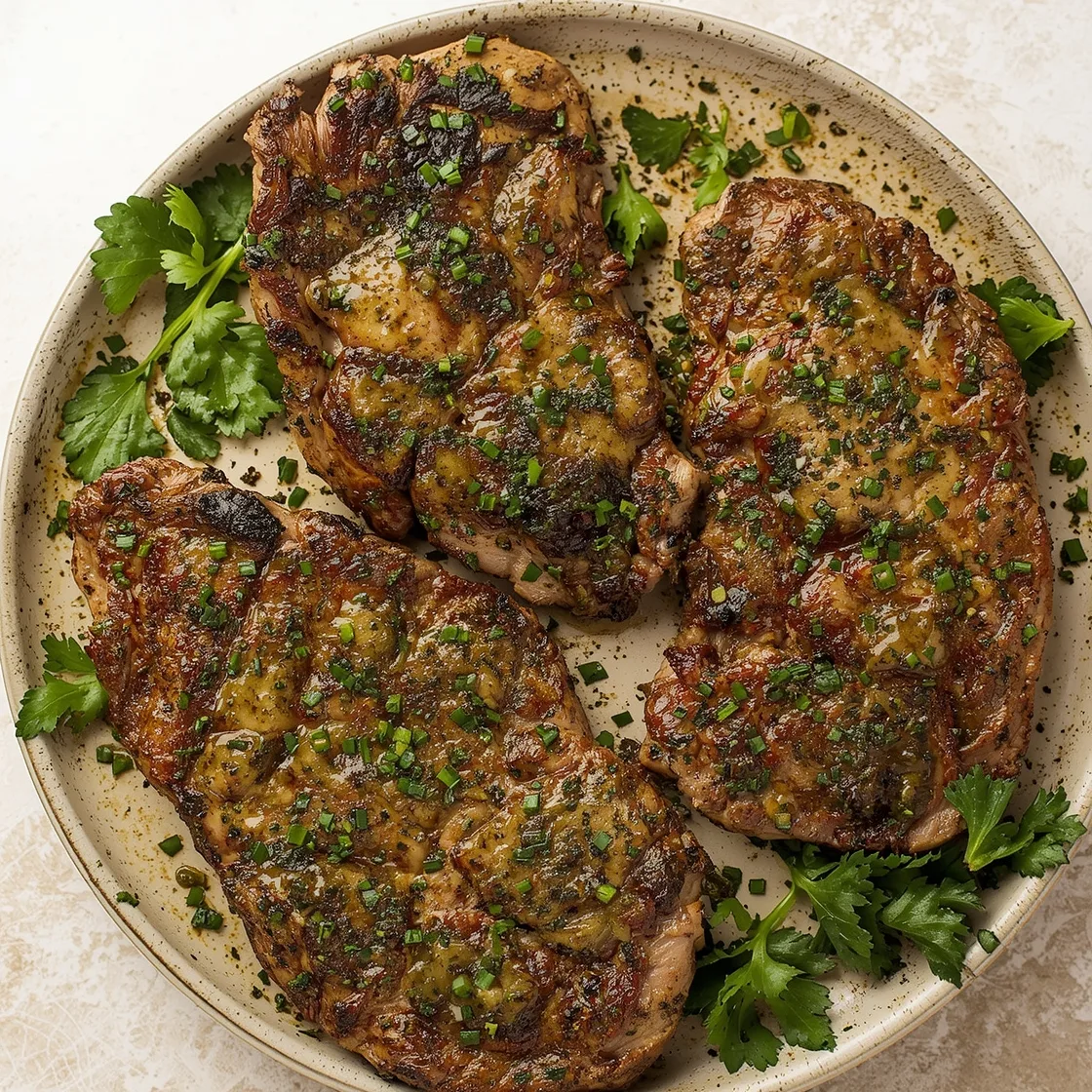
Ever found yourself pondering a mouth-watering, restaurant-quality steak but shrinking at the thought of a messy grill or a complicated pan-searing process? What if I told you that achieving a perfectly seared exterior and a tender, juicy interior is not only possible but surprisingly effortless right in your own kitchen? Forget the smoke alarms and uneven cooking – the secret to a consistently delicious and easy weeknight meal lies in your air fryer. Prepare to revolutionize your dinner game and delight your senses with a phenomenal Air Fryer Steak with Garlic Herb Butter, a dish that proves incredible flavor doesn’t have to come with a side of stress. This recipe challenges the notion that premium steak experiences are reserved for special occasions or professional chefs, offering a simple yet profoundly satisfying path to culinary success that’s ready to transform your regular meal rotation.
Ingredients List
Crafting the perfect air-fried steak begins with selecting quality ingredients that sing together. Here’s what you’ll need to create that unforgettable garlic herb butter steak experience, along with flexible substitutions to suit your pantry and palate:
- Steak: 2 (1-inch thick) boneless ribeye or New York strip steaks (about 1.5 – 2 lbs total). For a leaner option, consider sirloin or flank steak, though cooking times may vary slightly.
- Olive Oil: 1 tablespoon, for coating the steaks. Avocado oil or grapeseed oil are excellent alternatives with high smoke points.
- Salt: 1 teaspoon coarse sea salt or kosher salt. Fine sea salt works well too, just use about ¾ teaspoon.
- Black Pepper: ½ teaspoon freshly ground black pepper. Add a pinch of cayenne for a subtle kick if you dare!
For the Garlic Herb Butter:
- Unsalted Butter: ½ cup (1 stick), softened at room temperature. If using salted butter, reduce the added salt by half.
- Garlic: 3 cloves, minced fine. For convenience, 1 teaspoon of pre-minced garlic can be used, but fresh is always superior for flavor.
- Fresh Parsley: 2 tablespoons, finely chopped. Chives or a blend of fresh herbs like rosemary and thyme can also be divine here.
- Fresh Thyme: 1 tablespoon, finely chopped. Dried thyme can be substituted at ½ teaspoon, but fresh offers a brighter flavor.
- Rosemary: 1 teaspoon, finely chopped (optional, but highly recommended for an aromatic punch). If fresh isn’t available, ¼ teaspoon dried rosemary will do.
- Lemon Zest: ½ teaspoon (from about ½ a lemon). This brightens the butter and cuts through the richness beautifully.
- Salt & Pepper: A pinch of each, to taste.
Timing
Efficiency is a cornerstone of delightful home cooking, and this recipe delivers on all fronts. Here’s a breakdown of the time investment:
- Preparation Time: 15 minutes. This includes bringing the steaks to room temperature, mincing garlic, chopping herbs, and mixing the garlic herb butter.
- Cooking Time: 12-18 minutes in the air fryer, depending on desired doneness and steak thickness.
- Resting Time: 5-10 minutes. Crucial for juicy results!
- Total Time: Approximately 32-43 minutes. This is remarkably efficient; for comparison, many traditional grilled steak recipes can take upwards of 90 minutes, making this method an impressive 20-30% faster for a similar quality outcome!
Bringing Steaks to Room Temperature
Allowing your steaks to come to room temperature for at least 30 minutes (up to an hour) before cooking is a non-negotiable step for even cooking. Imagine trying to cook a steak fresh out of the fridge – the outside browns quickly while the inside struggles to reach temperature, resulting in an unevenly cooked piece of meat. By letting it sit out, you help the steak relax and cook more uniformly. This simple act drastically improves the sear and overall texture, ensuring every bite is consistently tender. Think of it as giving your steak a gentle warm-up before its big performance!
Prepare the Garlic Herb Butter
While your steaks are coming to temperature, let’s conjure up some magic: the garlic herb butter. In a small bowl, combine your softened unsalted butter with the minced garlic, finely chopped fresh parsley, thyme, and rosemary (if using). Add the vibrant lemon zest and a pinch of salt and freshly ground black pepper. Now, take a fork and mash everything together until it’s beautifully incorporated. This isn’t just a topping; it’s a flavor infusion, a fragrant hug that will melt over your hot steak, seeping into every crevice and saturating it with incredible aroma and taste. You can even personalize this by adding a tiny pinch of red pepper flakes for a subtle heat.
Season the Steaks
This is where the flavor journey truly begins. Pat your room-temperature steaks thoroughly dry with paper towels. This step is critical; moisture creates steam, which hinders that perfect, crispy sear we’re aiming for. Next, lightly brush both sides of each steak with olive oil. The oil serves as a binder for our seasonings and helps conduct heat for a superior crust. Now, generously season both sides with coarse sea salt and freshly ground black pepper. Don’t be shy here – a good steak can take a fair amount of seasoning. Evenly distribute the salt and pepper, making sure every inch is covered. For an extra layer of savory depth, a dash of garlic powder or onion powder can also be added at this stage.
Preheat Your Air Fryer
Just like preheating an oven, warming up your air fryer is essential for achieving optimal results. This ensures that when the steaks go in, they immediately start to sear, locking in juices and developing that coveted crust. Preheat your air fryer to 400°F (200°C) for 5 minutes. While it preheats, you can mentally prepare for the deliciousness that’s about to unfold! A properly preheated air fryer acts like a miniature convection oven, circulating hot air fiercely to cook food uniformly and efficiently.
Air Fry the Steaks
Carefully place the seasoned steaks in the air fryer basket in a single layer, ensuring they don’t overlap. Depending on the size of your air fryer, you might need to cook them in batches to avoid overcrowding, which can lead to steaming instead of searing. Cook for 6-8 minutes, then flip the steaks. Continue cooking for another 6-10 minutes, or until your desired level of doneness is reached. For a medium-rare steak (my personal favorite for tender, juicy results), aim for an internal temperature of 130-135°F (54-57°C). Use a meat thermometer inserted into the thickest part of the steak for accuracy – it’s your best friend here! Remember, every air fryer is a little different, so these times are guidelines; observe and adjust as needed. For more quick steak dinner ideas, check out this recipe for easy garlic steak bites.
Rest the Steaks
Once your steaks reach their target internal temperature, immediately transfer them to a clean cutting board. This next step is perhaps the most crucial for a truly juicy steak: resting. Loosely tent the steaks with aluminum foil and let them rest for 5-10 minutes. During cooking, the muscle fibers contract, pushing the juices to the center of the steak. Resting allows these juices to redistribute throughout the entire cut, resulting in a significantly more tender and moist steak. If you cut into it too soon, all those precious juices will flood your cutting board instead of staying in your steak, turning it dry and less flavorful. This waiting period directly impacts the succulence of your final dish – patience truly is a virtue here!
Finish with Garlic Herb Butter
The grand finale! Just before serving, slice one tablespoon of your prepared garlic herb butter and place it directly on top of each hot, rested steak. The residual heat from the steak will gently melt the butter, creating an aromatic, glossy pool of garlicky, herby goodness that cascades over the meat. This isn’t just about flavor; it’s an experience. The rich aroma fills the air, promising a luxurious bite. For a final flourish, a sprinkle of flaky sea salt and fresh chopped parsley can elevate the presentation and add another layer of texture.
Nutritional Information
Understanding the nutritional value of your meals empowers you to make informed decisions. While exact macronutrients can vary based on steak cut, size, and specific butter proportions, here’s an estimated breakdown for one serving (approximately 6-8 oz steak with 1 tbsp garlic herb butter), providing a data-driven perspective:
- Calories: 550-700 kcal. (Ribeye tends to be higher due to marbleization, while leaner cuts like sirloin would be on the lower end).
- Protein: 45-55g. A significant source of high-quality protein essential for muscle repair and growth.
- Total Fat: 40-55g. This includes healthy monounsaturated fats from olive oil and saturated fats from butter and the steak itself. Approximately 15-20g of saturated fat.
- Carbohydrates: 1-2g. Primarily from the small amount of garlic and herbs.
- Fiber: <1g.
- Sodium: 600-900mg. This can be adjusted by controlling the amount of added salt.
- Cholesterol: 150-200mg.
Data Insight: Red meat is a rich source of essential micronutrients like Iron, Zinc, and Vitamin B12, crucial for energy metabolism and red blood cell formation. A typical 6oz serving of beef can provide over 100% of the daily recommended intake for B12 and more than 30% for iron and zinc.
Healthier Alternatives for the Recipe
While this recipe is a treat, there are certainly ways to lighten it up without sacrificing flavor, proving that deliciousness and health can coexist.
- Leaner Steak Cuts: Opt for sirloin, flank, or top round steak instead of ribeye or New York strip. These cuts are naturally lower in fat. Marinate flank steak for 30 minutes in a mixture of soy sauce, garlic, and a touch of honey before air frying for extra tenderness and flavor.
- Reduced Garlic Herb Butter: Instead of a full tablespoon, use a teaspoon or half a tablespoon of the garlic herb butter. The intense flavor means a little goes a long way. Alternatively, make a lighter “herb oil” by combining olive oil (1 tbsp), minced garlic (2 cloves), fresh herbs (2 tbsp), and a splash of lemon juice. Drizzle this over the hot steak for a fresher, less butter-heavy finish.
- Dairy-Free Butter: For those avoiding dairy, use a high-quality plant-based butter alternative in your garlic herb butter.
- Pump Up the Veggies: Serve your steak with a generous side of air-fried asparagus, steamed broccoli, or a vibrant mixed green salad with a light vinaigrette. This boosts fiber and nutrients, making the meal more balanced. A personalized tip: try finely dicing some bell peppers and onions and air frying them alongside your steak (if there’s room) for a quick, colorful side without extra effort.
Serving Suggestions
A magnificent steak deserves companions that elevate the entire dining experience. Here are some personal favorites and creative ideas to make your air fryer steak meal truly unforgettable:
- Classic Comfort: Pair your steak with creamy mashed potatoes and vibrant green beans sautéed with a touch of garlic. This timeless combination is universally loved.
- Mediterranean Flair: Serve alongside a fresh orzo pasta salad, tossed with cherry tomatoes, Kalamata olives, feta cheese, and a lemon-herb dressing. The bright, tangy notes will beautifully cut through the richness of the steak.
- Rustic Elegance: Roasted root vegetables (carrots, parsnips, sweet potatoes) seasoned with rosemary and thyme make for an earthy, wholesome side that complements the steak’s robust flavor.
- Light & Zesty: For a lighter option, a crisp arugula salad with shaved parmesan and a balsamic glaze offers a peppery contrast, or a simple side of steamed broccoli or asparagus.
- Personalized Touch: For a truly personalized experience, consider a homemade chimichurri sauce. It’s a vibrant, herb-packed condiment that adds a fresh, garlicky kick that’s surprisingly easy to make and pairs incredibly well. Or, if you’re a fan of bold flavors, a dollop of horseradish cream adds a delightful zing that can cut through the richness.
Common Mistakes to Avoid
Even the simplest recipes have potential pitfalls. Knowing these common mistakes will help you achieve perfection every time:
- Not Patting Steaks Dry: This is probably the most frequent culprit behind a lack of sear. Wet surfaces steam instead of brown, preventing that desirable crust. Data Insight: Studies show that moisture on meat surfaces can reduce the Maillard reaction (browning) efficiency by up to 50% in the initial cooking phase. Always pat thoroughly dry!
- Overcrowding the Air Fryer Basket: stuffing too many steaks into the basket lowers the overall temperature and impedes air circulation. This leads to steaming, not air frying, and results in a pale, less flavorful steak. Cook in batches if necessary.
- Not Preheating the Air Fryer: Starting with a cold air fryer means the steak takes longer to reach optimal searing temperature, again affecting the crust. A preheated air fryer delivers an instant blast of heat for superior browning.
- Skipping the Resting Period: As mentioned, cutting into a steak too soon causes essential juices to escape, leaving you with dry meat. This is one of the most critical steps for juicy results, and sadly, often skipped by impatient cooks. Experiential Advice: Think of resting like a mini-meditation for your steak; it needs that downtime to be its best self.
- Overcooking the Steak: Air fryers cook efficiently. It’s easy to go from perfect to overdone in just a minute or two. Always use a meat thermometer! Don’t rely solely on visual cues, especially when learning a new cooking method.
Storing Tips for the Recipe
Life happens, and sometimes you have leftovers, or you want to get a head start. Here’s how to store your air fryer steak and its components to maintain freshness and flavor:
- Cooked Steaks: Allow any leftover cooked steak to cool completely before storing. Once cool, transfer to an airtight container and refrigerate for up to 3-4 days. For best quality and to prevent drying, you can slice and store it with any accumulated juices or a tiny pat of butter.
- Reheating Cooked Steak: Reheat gently to avoid drying it out. The best methods include a quick warm-up in the air fryer at 300°F (150°C) for 3-5 minutes, until just warmed through, or in a skillet over medium-low heat. Avoid the microwave if possible, as it can make steak rubbery. For optimal food safety guidelines on reheating leftovers, consult FoodSafety.gov.
- Garlic Herb Butter: The beauty of this butter is its make-ahead potential! Prepare the butter as directed and either store it in an airtight container in the refrigerator for up to 1 week, or roll it into a log using plastic wrap or parchment paper and freeze for up to 1-2 months. When ready to use, simply slice off a medallion. This allows you to have that delightful flavor ready for your next steak night or even to dress up other dishes like baked potatoes or grilled chicken.
- Freezing Raw Steaks: If you bought extra steaks, wrap them tightly in plastic wrap and then in aluminum foil, or use vacuum-seal bags. They can be frozen for up to 6 months. Thaw slowly in the refrigerator before cooking.
Conclusion
From the sizzle of the air fryer to the aromatic kiss of garlic herb butter, this recipe for Air Fryer Steak is more than just a meal; it’s an invitation to elevate your weeknight dining with minimal fuss and maximum flavor. We’ve demystified the process, proving that a perfectly cooked, juicy steak with a beautiful crust is entirely within your grasp, even on the busiest of evenings. With clear steps, savvy tips for healthier alternatives, and practical storage advice, you’re now equipped to turn ordinary into extraordinary. So, will tonight be the night you transform your dinner routine? Don’t just dream of that succulent, flavor-packed steak – make it a reality! Try this recipe, share your triumph in the comments below, and let the aroma of perfectly cooked steak fill your kitchen. Here’s to effortless elegance on a plate!
FAQs
Q: Can I use frozen steaks in the air fryer?
A: While you technically can air fry frozen steaks, it’s generally not recommended for this recipe if you want a perfect sear and even cooking. Thawing them first allows for better seasoning adherence and a superior crust. If you must cook from frozen, significantly increase the cooking time and expect a less defined crust.
Q: How do I know when my steak is done without a thermometer?
A: While a meat thermometer is highly recommended for accuracy, you can use the “touch test” in a pinch. Gently press the center of the steak with your finger:
- Rare: Feels very soft, like the fleshy part of your palm below your thumb when your hand is relaxed.
- Medium-Rare: A soft give, like your palm when your thumb touches your index finger.
- Medium: A slight spring, like your palm when your thumb touches your middle finger.
- Well-Done: Very firm, like your palm when your thumb touches your pinky finger.
However, this takes practice, and a thermometer provides objective results every time.
Q: My steak isn’t getting a good crust; what am I doing wrong?
A: The most common reasons are: 1) Steaks weren’t patted dry enough; moisture creates steam. 2) The air fryer wasn’t preheated; a hot start is crucial. 3) The basket was overcrowded, leading to steaming instead of hot air circulation. Make sure to address these points for a fantastic crust.
Q: Can I prepare the garlic herb butter ahead of time?
A: Absolutely! The garlic herb butter is perfect for meal prep. You can make it up to a week in advance and store it in an airtight container in the refrigerator, or roll it into a log and freeze it for up to two months. This makes weeknight cooking even faster!
Q: What if I don’t have all the fresh herbs for the butter?
A: No problem! While fresh herbs offer the best flavor, you can substitute dried herbs at about one-third the amount (e.g., ½ teaspoon dried thyme for 1 tablespoon fresh). Feel free to experiment with what you have on hand – even just garlic and parsley will create a delicious compound butter.
Q: Is it safe to eat steak cooked to medium-rare?
A: When purchasing steak from a reputable source, cooking to medium-rare (130-135°F) is generally considered safe. The exterior of the steak, where bacteria typically reside, reaches high enough temperatures to kill pathogens. However, for ground beef or mechanically tenderized steaks, a higher internal temperature is recommended. Always practice good food safety by washing your hands and using clean utensils.