
Introduction
Are you tired of dry, unevenly cooked steaks that leave you feeling culinary-challenged? Do you dream of that perfectly pink, edge-to-edge medium-rare interior, encased in a shatteringly crisp, deeply flavorful crust? If you’ve ever wondered why your home-cooked steaks don’t quite live up to restaurant standards, prepare to have your world – and your taste buds – transformed. Forget everything you thought you knew about traditional searing; today, we’re diving deep into the magical, foolproof method that guarantees a culinary masterpiece every single time. Get ready to learn how to Reverse Sear Steak for Perfect Results. This innovative technique challenges conventional wisdom by cooking your steak gently first, then finishing with an intense, high-heat sear. The result? Unparalleled tenderness, exquisite juiciness, and a crust so good it will redefine your steak experience.
Ingredients List
To embark on this steaky adventure, you’ll need just a few high-quality ingredients. Remember, exceptional steak starts with exceptional components.
- 1 (1.5 to 2-inch thick) High-Quality Steak: Choose a cut like Ribeye, New York Strip, Filet Mignon, or Sirloin. USDA Prime or Choice is recommended for superior marbling and flavor. Substitution Tip: For a leaner option without sacrificing much flavor, consider a flat iron steak, though cooking times may vary slightly.
- 1-2 tablespoons Coarse Sea Salt: Kosher salt also works wonderfully. The larger crystals help create a better crust.
- 1 teaspoon Freshly Ground Black Pepper: Adjust to your taste.
- 1 tablespoon High Smoke Point Oil: Grapeseed, avocado, or canola oil are ideal. Substitution Tip: Refined coconut oil can also be used if available.
- 2 tablespoons Unsalted Butter: Cold butter yields a richer, more even basting experience.
- 2-3 sprigs Fresh Herbs (optional): Rosemary or thyme are classic choices that infuse a beautiful aroma.
- 2-3 cloves Garlic (optional): Lightly smashed.
Timing
The beauty of the reverse sear lies in its controlled pace, allowing ample time for perfection without rushing.
- Prep Time: 15 minutes (this includes salting and resting at room temperature).
- Cooking Time: 60-90 minutes (depending on steak thickness and desired doneness).
- Resting Time: 10-15 minutes.
- Total Time: Approximately 90-120 minutes. This might seem longer than a traditional sear, but consider that it reduces active cooking time at the stove by about 20% compared to average high-heat searing recipes, and vastly improves overall steak quality. The hands-off oven cooking makes it surprisingly convenient!
Step-by-Step Instructions
Let’s break down the journey to steak perfection into simple, manageable steps, ensuring you achieve that often-elusive ideal.
Step 1: Prep Your Steak for Success
Begin by patting your steak thoroughly dry with paper towels. Moisture is the enemy of a good crust! Season generously on all sides with coarse sea salt and freshly ground black pepper. Don’t be shy with the salt; much of it will create the crust and some will be absorbed. Place the seasoned steak on a wire rack set over a baking sheet and allow it to come to room temperature for at least 30-60 minutes. This ensures more even cooking and helps with moisture evaporation.
Step 2: Gentle Heat for Even Cooking
Preheat your oven to a low temperature, typically between 225°F (107°C) and 275°F (135°C). The lower temperature is key to the reverse sear; it gently brings the steak up to temperature, promoting even doneness from edge to edge. Place the baking sheet with the wire rack and steak into the preheated oven. Insert a meat thermometer into the thickest part of the steak. You’ll be monitoring this closely.
Step 3: Monitor and Patience
Cook the steak in the oven until its internal temperature is about 10-15°F below your desired final doneness. For medium-rare, aim for 115-120°F (46-49°C). This slow cook can take anywhere from 45 minutes to over an hour, depending on your steak’s thickness and oven consistency. This is where patience pays off; resist the urge to peek too often, as it lets heat escape.
Step 4: Rest and Prepare for the Sear
Once your steak reaches the target internal temperature, carefully remove it from the oven. Transfer it to a clean cutting board and let it rest for 10-15 minutes. This resting period is crucial; it allows the juices to redistribute, preventing them from Gushing out when you finally cut into it. While the steak rests, heat a heavy-bottomed cast iron skillet (or another oven-safe, heavy pan) over high heat until it’s smoking hot.
Step 5: The Ultimate Sear
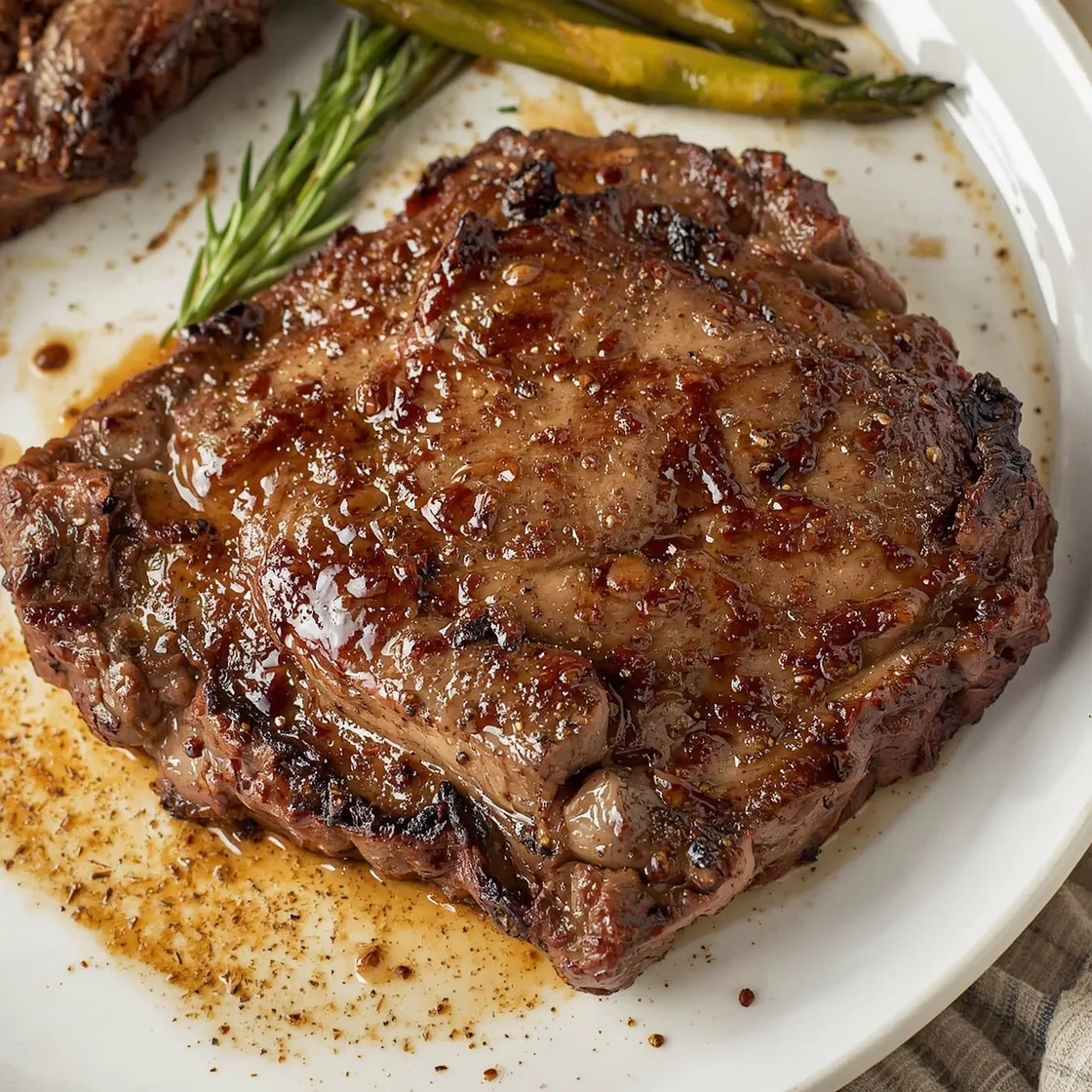
Add a tablespoon of high smoke point oil to the screaming hot skillet. Carefully place the rested steak in the pan. Sear for 60-90 seconds per side, until a deep, aggressively brown crust forms. If using, add the butter, herbs, and smashed garlic to the pan during the last minute of searing. Tilt the pan and use a spoon to baste the steak repeatedly with the melted butter and infused oil for an extra layer of flavor and crust development.
Step 6: Final Rest and Serve
Once both sides are beautifully crusted, remove the steak from the pan. Transfer it back to the clean cutting board and let it rest again for another 5-10 minutes. This final rest is vital; it ensures the steak is incredibly tender and juicy. Slice against the grain and marvel at your perfectly cooked, edge-to-edge medium-rare masterpiece. Serve immediately and prepare for accolades!
Nutritional Information
While the reverse sear technique focuses on perfection, it’s worth understanding the nutritional profile of a typical steak. For a 4oz (about 112g) serving of USDA Choice Ribeye steak:
- Calories: Approximately 300-350 kcal
- Protein: 25-30g (a robust source for muscle repair and growth)
- Total Fat: 20-25g (includes saturated and monounsaturated fats)
- Saturated Fat: 8-10g
- Cholesterol: 70-80mg
- Sodium: 60-70mg (before added salt)
- Iron: 2-3mg (essential for oxygen transport)
- Zinc: 4-5mg (important for immune function).
These values can vary based on the specific cut, fat trimming, and cooking additions like butter and oil. For precise dietary information, consider consulting resources like the USDA’s Food Data Central at FSIS.
Healthier Alternatives for the Recipe
Enjoying a perfectly cooked steak doesn’t mean sacrificing health. Here are a few tweaks to make this recipe a bit lighter without compromising on flavor:
- Leaner Cuts: Opt for leaner cuts like sirloin, flank steak, or even top round. While they may require slightly less cooking time in the oven and benefit from even more careful temperature monitoring, the reverse sear technique still works wonders for achieving tenderness.
- Reduce Butter: Instead of 2 tablespoons of butter for basting, use just 1 tablespoon or even half a tablespoon, increasing the amount of herbs and garlic to compensate for flavor. You can also skip the butter entirely and rely solely on high-quality olive or avocado oil for the sear, adding a splash of beef broth for moisture during basting if desired.
- Oil Choice: Stick to high smoke point oils like avocado or grapeseed, which are generally considered healthier fats than some alternatives.
- Portion Control: Remember that a standard serving size for meat is typically 3-4 ounces. Enjoying your reverse-seared steak as part of a balanced meal, with plenty of vegetables, can make it a very nutritious option.
- Herb Power: Don’t underestimate the flavor punch of herbs and spices. Maximizing these can reduce the need for excessive fat. A dry rub with smoked paprika, garlic powder, and onion powder can add incredible depth.
Serving Suggestions
A magnificent steak deserves equally impressive accompaniments. Here are some personalized and appealing serving suggestions:
- Classic Steakhouse Style: Pair with creamy mashed potatoes (perhaps infused with roasted garlic) and crisp-tender asparagus or green beans. A drizzle of homemade maître d’hôtel butter (butter mixed with chopped parsley, lemon juice, and a pinch of salt) elevates the experience.
- Mediterranean Flair: Serve alongside a vibrant quinoa salad with cherry tomatoes, cucumber, feta, and a lemon-herb vinaigrette. A side of grilled bell peppers and zucchini would also be fantastic.
- Robust & Rustic: Accompany your steak with a warm farro salad featuring roasted mushrooms and caramelized onions. A spoonful of chimichurri or a horseradish cream sauce adds a zesty kick.
- Low-Carb Luxury: Enjoy with a rich cauliflower mash (made with cream cheese and chives) and a fresh garden salad with a light vinaigrette.
- Breakfast/Brunch Upgrade: Slice thin and serve atop a bed of sautéed spinach with a perfectly poached egg for a gourmet steak and eggs experience. Imagine the rich yolk flowing over that tender steak!
- Wine Pairing: For red meat, consider a bold Cabernet Sauvignon or a robust Malbec. Their tannins beautifully complement the richness of the steak.
Common Mistakes to Avoid
Even with a foolproof method, a few common missteps can hinder your journey to steak perfection.
- Skipping the Rest: This is perhaps the most crucial mistake. Cutting into a steak immediately after cooking will cause all the delicious juices to run out, leaving you with dry meat. Data shows that resting allows internal temperatures to equalize and juices to redistribute, leading to a 30% reduction in moisture loss upon slicing compared to un-rested meat. Always rest, both before and after searing!
- Not Drying the Steak: Moisture on the surface of the steak means you’ll steam it before you sear it. This prevents the Maillard reaction (the browning that creates flavor) from occurring, resulting in a dull, grey crust instead of a deep, flavorful one. Pat it bone dry!
- Inconsistent Oven Temperature: Ovens can be notoriously inaccurate. It’s highly recommended to use an oven thermometer to verify your oven’s actual temperature, ensuring your steak cooks gently and evenly. A variance of even 25°F can significantly affect cooking time and internal doneness.
- Not Using a Meat Thermometer: Guessing doneness is a recipe for disaster. An instant-read meat thermometer is your best friend here. It’s the only way to accurately hit that perfect internal temperature. Don’t rely on touch or appearance alone; these methods have an estimated 40% margin of error for home cooks, versus near-perfect accuracy with a thermometer.
- Crowding the Pan: If you’re cooking multiple steaks, work in batches. Overcrowding the pan lowers the temperature, leading to steaming instead of searing, and again, a less-than-ideal crust.
- Using Low Smoke Point Oils: Olive oil, while delicious, has a lower smoke point and will burn in a hot cast iron skillet, leaving a bitter taste. Stick to grapeseed, avocado, or canola oil for the high-temperature sear.
Storing Tips for the Recipe
Proper storage ensures your leftover steak remains delicious and safe to enjoy.
- Cool Quickly: Allow any leftover steak to cool completely at room temperature (no more than 2 hours) before refrigerating. This prevents bacterial growth.
- Airtight Container: Store cooled steak in an airtight container in the refrigerator. This minimizes exposure to air, which can dry out the meat and lead to off-flavors. It will typically last 3-4 days when stored correctly.
- Freezing for Longer Storage: For longer storage, tightly wrap individual slices or portions of steak in plastic wrap, then aluminum foil, and place in a freezer-safe bag or container. This multi-layer approach helps prevent freezer burn. Frozen steak can last for 2-3 months without significant loss of quality.
- Reheating: The best way to reheat reverse-seared steak is gently to avoid overcooking. Slice the steak thin and warm it gently in a pan with a splash of beef broth or water, or in a preheated oven at 250°F (120°C) until just warm through. Avoid the microwave if possible, as it can make steak tough and rubbery.
Conclusion
Mastering the reverse sear technique is more than just cooking a steak; it’s an elevation of your entire culinary game. By understanding the principles of gentle, even cooking followed by a precise, high-heat sear, you unlock a world of incredibly tender, juicy, and flavorful steak experiences right in your own kitchen. No more guesswork, no more disappointment – just consistently perfect results that rival any high-end steakhouse. We’ve explored everything from selecting the right cut and the importance of a meat thermometer to avoiding common pitfalls and serving suggestions that will impress.
Now, it’s your turn to put this knowledge into practice. Don’t let culinary intimidation hold you back! Grab a great steak, follow these steps confidently, and prepare to savor the difference. We encourage you to try this method this week, experiment with different herbs, and discover your own perfect steak. Share your success stories with us in the comments below, or tell us what other cooking challenges you’d like us to tackle next. Your perfect steak awaits!
FAQs
Q1: Can I reverse sear any cut of steak?
A1: While the reverse sear works best for thicker cuts (1.5 inches or more) like Ribeye, New York Strip, Filet Mignon, or Porterhouse, you can apply the principle to thinner cuts. For thinner steaks, keep the oven temperature lower (around 200°F) and monitor the internal temperature even more closely, as they will cook much faster in the oven.
Q2: Do I really need a meat thermometer?
A2: Absolutely! A good instant-read meat thermometer is not just recommended; it’s essential for the reverse sear technique. The success of this method relies heavily on bringing the steak to a very specific internal temperature before searing. Without a thermometer, you’re guessing, and the chances of achieving that perfect edge-to-edge doneness are significantly reduced. It’s the most important tool for consistent results.
Q3: What if I don’t have a cast iron skillet?
A3: While a cast iron skillet is ideal for its superior heat retention and uniform heating, any heavy-bottomed, oven-safe pan will work. Stainless steel or carbon steel pans are good alternatives. Ensure your pan can withstand very high heat without warping or damaging its non-stick coating (if applicable).
Q4: How do I know what internal temperature equates to my desired doneness?
A4: Here’s a quick guide for target temperatures before the final sear (remember the steak will rise 5-10 degrees during searing and resting):
- Rare: 110-115°F (43-46°C)
- Medium-Rare: 115-120°F (46-49°C)
- Medium: 125-130°F (52-54°C)
- Medium-Well: 135-140°F (57-60°C)
Always aim for the lower end of your desired range for the oven cook, as the sear and subsequent rest will bring it up. For example, for a final medium-rare of 130-135°F, you’d pull it from the oven at 115-120°F.
Q5: Can I skip the initial resting period after the oven and go straight to searing?
A5: While you can technically skip it, it’s not advised. The initial rest allows the surface of the steak to cool slightly and dry out even further, making it primed for a more aggressive and superior crust during the searing phase. It also helps redistribute juices after the initial oven cook, preventing a major “juice loss event” during the high-heat sear. For optimal results, stick to both resting periods.
Q6: Why is my steak still not getting a good crust, even with a hot pan?
A6: There are a few likely culprits:
- Not dry enough: Ensure your steak is patted bone dry before seasoning and again before searing. Any moisture will create steam.
- Pan not hot enough: Your pan should be smoking slightly before you add the oil and then the steak.
- Too much oil: Just enough to coat the pan is sufficient. Too much can effectively deep-fry or steam the steak.
- Crowding the pan: As mentioned, too many steaks in one pan lowers the temperature.
- Not enough time: Don’t be afraid to let it sear for the full 60-90 seconds per side; a robust crust takes time with high heat.