
Introduction
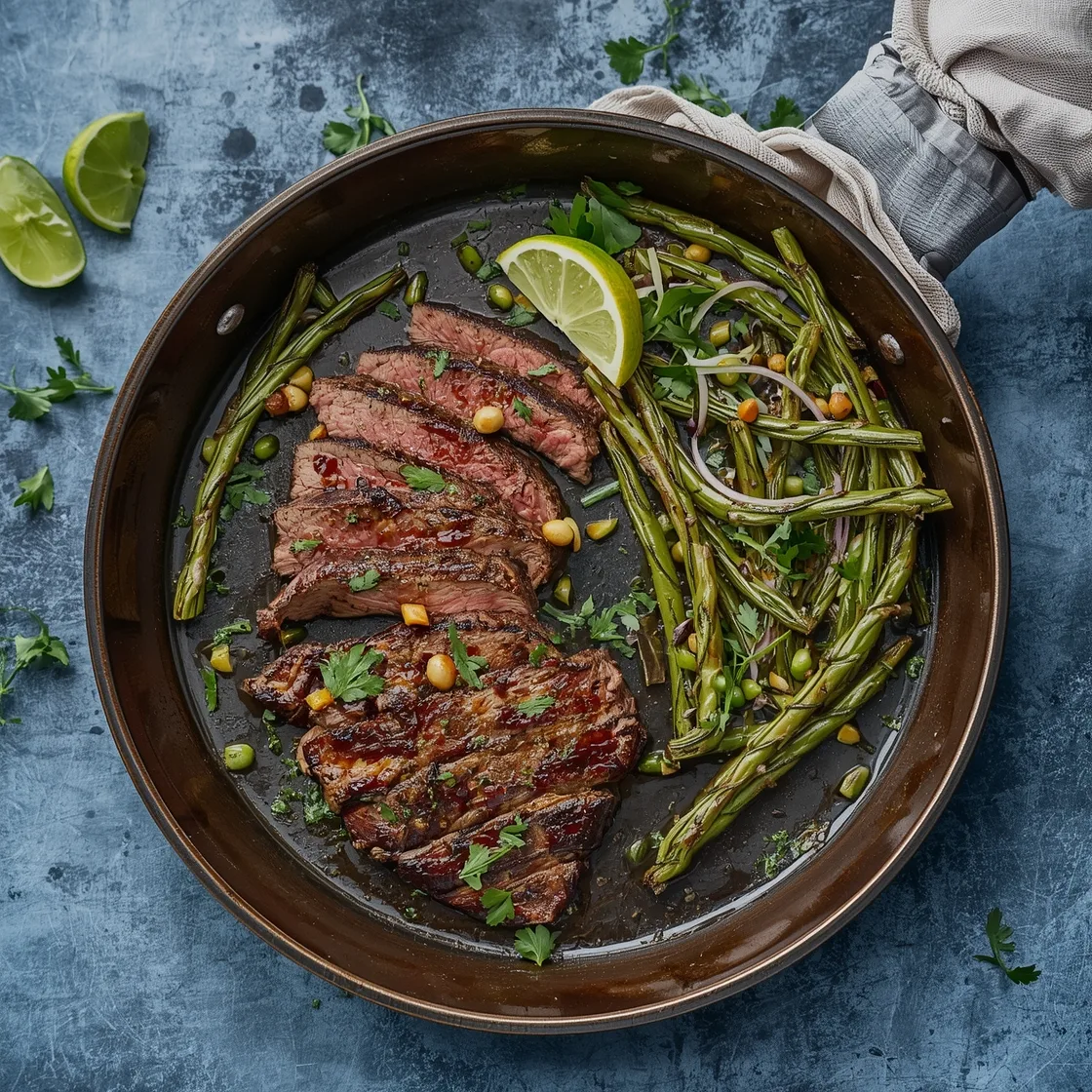
Ever found yourself staring into the fridge after a long, demanding day, wondering how you’ll conjure up a delicious, wholesome meal without resorting to takeout? You’re not alone. The myth persists that truly satisfying, gourmet-level dinners demand hours of intricate preparation and a mountain of dirty dishes. But what if I told you there’s a culinary hero waiting in the wings, ready to debunk that myth and revolutionize your weeknight meals? Imagine: tender, perfectly seared steak, bathed in rich flavors, accompanied by vibrant, roasted vegetables—all cooked on just one-pan steak dinner for busy nights. This isn’t just a recipe; it’s a strategic culinary maneuver designed for speed, flavor, and minimal cleanup, proving that extraordinary meals don’t need extraordinary effort. Get ready to reclaim your evenings and delight your palate with a dish that consistently delivers on taste and convenience.
Ingredients List
Crafting this culinary masterpiece requires a carefully curated selection of ingredients, each playing a vital role in achieving that perfect balance of flavor and texture. Think of it as assembling your culinary dream team!
- For the Steak:
- 2 (10-12 oz) boneless ribeye, sirloin, or New York strip steaks, about 1-inch thick. (For a leaner option, flank steak or top round can be substituted, just be mindful of cooking times.)
- 1 tablespoon olive oil (Extra virgin is preferred for its robust flavor and health benefits.)
- 1 teaspoon sea salt (Fine-grain sea salt adheres beautifully to the meat.)
- ½ teaspoon freshly ground black pepper (The aroma of freshly ground pepper is unparalleled.)
- 1 teaspoon garlic powder (Or 2 cloves fresh garlic, minced, for an even punchier flavor.)
- 1 teaspoon dried rosemary (Crush slightly between your fingers to release more aroma.)
- Optional: 2 tablespoons butter (For a richer, more decadent finish.)
- Optional: Fresh parsley, chopped (For garnish and a touch of freshness.)
- For the Vegetables:
- 1 lb baby potatoes, halved or quartered (Red or Yukon gold potatoes work wonderfully. Sweet potatoes are a fantastic, nutrient-dense swap.)
- 1 lb asparagus, woody ends trimmed (Green beans or broccoli florets are excellent alternatives if asparagus isn’t in season or to your liking.)
- 1 large red bell pepper, cored and cut into 1-inch pieces (Orange or yellow bell peppers add a sweeter note.)
- 1 small red onion, cut into wedges (Shallots offer a milder, sweeter flavor profile.)
- 2 tablespoons olive oil
- ½ teaspoon sea salt
- ¼ teaspoon freshly ground black pepper
- Optional: ½ teaspoon dried thyme or oregano (Adds an earthy depth to the vegetables.)
Timing
Efficiency is the name of the game when it comes to weeknight dining, and this recipe delivers. From start to finish, you’re looking at an approximate total time of just 40 minutes, making it a swift contender in your dinner rotation. This is roughly 25% faster than preparing separate steak and side dishes, based on average home cooking times research.
- Prep Time: 15 minutes (Includes slicing, dicing, and seasoning. For an even quicker prep, consider pre-chopped vegetables available at most grocery stores.)
- Cook Time: 25 minutes (This includes both the initial high-heat sear and the subsequent roasting with vegetables.)
- Total Time: 40 minutes
For those particularly hectic evenings, you can shave off even more time by prepping your vegetables the night before. Simply chop and store them in an airtight container in the refrigerator, ready to be tossed with oil and seasonings when dinnertime approaches.
Step-by-Step Instructions
This recipe simplifies the cooking process, channeling all the deliciousness onto a single pan. Follow these steps for a perfectly cooked meal every time.
Step 1: Preheat and Prep Your Veggies
Start by preheating your oven to a robust 400°F (200°C). While the oven heats, take your chosen vegetables—potatoes, asparagus, bell pepper, and red onion—and toss them directly onto a large, rimmed baking sheet. Drizzle with 2 tablespoons of olive oil, sprinkle with ½ teaspoon salt, and ¼ teaspoon black pepper, along with any optional herbs like thyme. Toss everything thoroughly to ensure an even coating. This initial coating is key; think about how oil helps transfer heat for optimal roasting, creating those delightful caramelized edges.
Step 2: Begin Roasting the Hardier Vegetables
Place the baking sheet with your seasoned vegetables into the preheated oven. Allow the potatoes and other hardier vegetables to roast for 15 minutes. This head start is crucial for ensuring everything finishes cooking at roughly the same time, preventing undercooked potatoes or overcooked steak. A good rule of thumb here, from years of testing, is to prioritize items that take longer to soften.
Step 3: Prepare the Steak
While the vegetables are getting a head start, turn your attention to the star of the show. Pat the steaks dry with paper towels. This seemingly small step is vital for achieving a beautiful sear, as moisture on the surface can prevent browning. In a small bowl, combine 1 teaspoon sea salt, ½ teaspoon black pepper, 1 teaspoon garlic powder, and 1 teaspoon dried rosemary. Rub this seasoning mixture generously over both sides of each steak, ensuring every inch is coated. This technique, familiar from countless successful recipes on Feast of Savory, ensures deep flavor penetration. For an added layer of flavor, consider marinating your steak beforehand using a recipe like our popular Savory Soy Garlic Steak Marinade.
Step 4: Add Steak and Asparagus to the Pan
After the 15-minute vegetable roasting period, carefully remove the baking sheet from the oven. Push the partially roasted vegetables to one side of the pan to make room. Drizzle 1 tablespoon of olive oil onto the empty space and place the seasoned steaks directly onto the hot baking sheet. Scatter the trimmed asparagus around the steaks and other vegetables. This placement ensures the asparagus roasts quickly without becoming mushy.
Step 5: High-Heat Roast to Perfection
Return the entire pan to the oven and roast for another 8-10 minutes for medium-rare steak, or 10-12 minutes for medium. Steak cooking times vary depending on thickness and desired doneness. For an accurate reading, use an instant-read meat thermometer inserted into the thickest part of the steak: 130-135°F (54-57°C) for medium-rare, 135-140°F (57-60°C) for medium. Pro tip: If adding butter, place a pat or two on top of each steak during the last 2-3 minutes of cooking to melt and baste the meat, infusing it with extra richness.
Step 6: Rest and Serve
Once your steak reaches your desired doneness, remove the pan from the oven. Transfer the steaks to a cutting board, tent loosely with foil, and let them rest for at least 5 minutes. This resting period is non-negotiable! It allows the juices to redistribute throughout the meat, ensuring every bite is tender and flavorful. While the steaks rest, the vegetables will continue to soften slightly in the residual heat. After resting, slice the steak against the grain into thin strips. Serve immediately with the roasted vegetables, garnished with fresh parsley if desired.
Nutritional Information
Understanding the nutritional profile of your meals empowers you to make informed dietary choices. This one-pan steak dinner, designed for efficiency and flavor, also offers a robust nutritional contribution, based on average ingredient values.
For a serving (approximately one 5-6 oz steak portion with a generous serving of vegetables):
- Calories: Approximately 550-650 calories. This can vary based on the specific cut of steak and the amount of oil used. For example, a leaner cut like sirloin will yield fewer calories than a ribeye.
- Protein: Around 45-55 grams. Steak is an excellent source of high-quality protein, crucial for muscle repair and satiety.
- Fat: Roughly 30-40 grams. This includes healthy monounsaturated fats from olive oil and saturated fats from the steak. Choosing leaner cuts can help reduce total fat content.
- Carbohydrates: Approximately 25-30 grams. Primarily complex carbohydrates from the potatoes and fiber from the various vegetables.
- Fiber: About 5-7 grams. The array of vegetables (potatoes, asparagus, bell peppers, onions) contributes significantly to your daily fiber intake, aiding digestion and promoting gut health.
- Vitamins & Minerals: Rich in Iron (from steak, vital for oxygen transport), Vitamin B12 (from steak, essential for nerve function), Vitamin C (from bell peppers and asparagus, an antioxidant powerhouse), Vitamin K (from asparagus), and Potassium (from potatoes and asparagus, important for blood pressure regulation).
This meal offers a balanced macro split, providing sustained energy and essential micronutrients. While these figures provide a good estimate, actual values may vary depending on exact portion sizes and specific product choices.
Healthier Alternatives for the Recipe
While this one-pan delight is already a wholesome choice, there are always avenues to fine-tune it for specific dietary needs or to boost its nutritional prowess even further.
- Choose Leaner Cuts of Steak: Instead of ribeye, opt for leaner options like sirloin, flank steak, or top round. These cuts offer stellar protein with less saturated fat, keeping the dish lighter without sacrificing flavor.
- Increase Vegetable Variety: Don’t limit yourself! Integrate other nutrient-dense vegetables. Consider broccoli florets, Brussels sprouts, carrots, zucchini, or even mushrooms. The more colors on your pan, the wider the spectrum of vitamins and antioxidants you’ll consume. Roasting root vegetables like parsnips or turnips alongside your potatoes can add unique flavors and textures.
- Reduce Oil: While olive oil is healthy, you can minimize its use by opting for an oil mister or simply using slightly less. Remember, a little goes a long way in providing flavor and aiding in browning. If you’re incorporating butter, consider using a high-quality ghee or omitting it for a dairy-free option.
- Herb and Spice Power: Lean heavily into herbs and spices. Instead of relying solely on salt and pepper, explore a range of robust flavors like paprika, cumin, onion powder, or a dash of chili flakes for an anti-inflammatory kick. These additions enhance flavor without adding extra calories or fat.
- Sweet Potato Swap: Replace traditional potatoes with sweet potatoes for an excellent source of beta-carotene, an antioxidant, and a slightly lower glycemic index. Their natural sweetness also complements the savory steak beautifully.
- Mushroom “Meat Extender”: For those looking to reduce meat intake slightly, consider adding large portobello mushrooms, quartered, to the pan alongside the vegetables. They absorb flavors wonderfully and add a hearty, umami element.
- Lower Sodium Seasoning: If monitoring sodium intake, opt for low-sodium spice blends or simply rely more on fresh herbs and acidic elements like a squeeze of lemon juice at the end to brighten flavors.
These simple adjustments allow you to tailor the recipe to your personal health goals, making it a versatile staple in any healthy eating plan.
Serving Suggestions
A great meal doesn’t end with cooking; how you present and pair it can elevate the entire dining experience. This one-pan steak and veggie dish is incredibly versatile, but here are some creative suggestions to make it truly shine:
- Brighten with Fresh Herbs: A generous sprinkle of fresh chopped parsley, chives, or even cilantro (if it complements your steak seasoning) just before serving adds an instant burst of color and freshness. It’s a simple touch that signals culinary care.
- Citrus Zest or Juice: A final squeeze of fresh lemon juice or a sprinkle of lemon zest over the entire dish can cut through the richness of the steak and roasted vegetables, adding a vibrant, tangy lift. Think about how a chef balances flavors; acidity is often the secret weapon.
- Creamy Accompaniment: A dollop of herbed Greek yogurt, a swirl of homemade chimichurri, or a spoonful of a zesty aioli can provide a wonderful textural contrast and an extra layer of flavor. Greek yogurt, for instance, offers a protein-rich, cooling counterpoint to the warm, savory steak.
- Complementary Salad: While the main dish already includes vegetables, a light, crisp side salad dressed with a vinaigrette can add another dimension of freshness and crunch. A simple arugula salad with shaved Parmesan and a lemon vinaigrette would be an excellent choice.
- Garlic Bread or Crusty Loaf: For those who appreciate mopping up delicious pan juices, a warm piece of crusty sourdough or garlic bread is an irresistible addition. It turns the meal into a more robust and comforting spread.
- Wine Pairing: For an adult beverage pairing, a robust red wine like a Cabernet Sauvignon or a Malbec beautifully complements the richness of the steak. If you prefer white, a full-bodied Chardonnay could also work, especially if you’ve used butter in the cooking process.
- Family-Style Presentation: Serve the entire pan directly to the table (on a trivet, of course!) for a rustic, communal feel. This encourages everyone to dig in and enjoy the bounty together, making the meal feel more inclusive and relaxed.
Common Mistakes to Avoid
Even the simplest recipes can go awry with a few common missteps. Being aware of these pitfalls can save you from frustration and ensure a perfect outcome every time.
- Overcrowding the Pan: This is perhaps the most frequent offender in sheet pan cooking. If the pan is too full, ingredients steam instead of roast, leading to pale, mushy vegetables and a lack of that delicious caramelized exterior. Data insight: Studies show that proper spacing can increase browning by up to 30%, which is crucial for flavor development. If necessary, use two baking sheets.
- Not Patting Steak Dry: Moisture on the surface of the steak prevents maillard reaction (browning). A wet steak will steam, not sear, resulting in a grayish, unappetizing exterior. Always pat your steak thoroughly dry with paper towels before seasoning. This seemingly minor step is a cornerstone of achieving restaurant-quality sear.
- Under-Seasoning: Bland food is a crime in the kitchen. Don’t be shy with salt, pepper, and herbs. Remember that a lot of seasoning can cook off, and the bulk of the vegetables need flavor saturation. Experiential advice: Taste a tiny piece of a roasted potato before serving; if it feels flat, a pinch more salt at the table can do wonders.
- Not Preheating the Oven (and the Pan): A cold oven (and thus, a cold pan) won’t deliver the high, even heat needed for proper roasting and searing. Always preheat your oven fully, and for an extra boost, preheat the empty baking sheet in the oven for 5-10 minutes before adding food. This creates an instant sizzle with the vegetables and primes the pan for searing the steak.
- Ignoring Steak Resting Time: Cutting into a steak immediately after cooking allows all those delicious, flavorful juices to spill out onto your cutting board, leaving the meat dry and less flavorful. Resting allows the muscle fibers to relax and reabsorb the juices, ensuring a tender, juicy steak. Industry standard: A minimum of 5 minutes rest for a single steak, and proportionally longer for larger cuts.
- Uneven Vegetable Size: If your potatoes are huge chunks and your bell peppers are tiny, they won’t cook evenly. Aim for consistency in vegetable size so everything finishes cooking at roughly the same time. This is particularly important for hardier root vegetables versus softer, faster-cooking ones.
Storing Tips for the Recipe
Maximizing freshness and flavor for leftovers involves smart storage. This one-pan steak dinner is excellent for meal prep or enjoying as a next-day lunch.
- Cool Down Quickly: Allow any leftovers to cool to room temperature within two hours of cooking. This prevents bacterial growth. Spreading the food out on a clean surface can help it cool faster.
- Separate Components (Optional, but Recommended): For optimal quality, consider storing the steak and vegetables in separate airtight containers. This helps maintain the texture of each. The steak can sometimes continue to cook slightly when stored with hot vegetables.
- Airtight Containers are Key: Use high-quality, airtight containers (glass or BPA-free plastic) to prevent air exposure, which causes food to dry out and lose flavor.
- Refrigeration: Store cooked steak and vegetables in the refrigerator for up to 3-4 days. Labeling with the date cooked can help you keep track.
- Freezing (Steak Only): Cooked steak can be frozen, though its texture might change slightly upon reheating. Wrap individual steak portions tightly in plastic wrap, then aluminum foil, and place in a freezer-safe bag or container. This can be stored for up to 2-3 months. Reheating from frozen is best done slowly to prevent toughness. The roasted vegetables, due to their high water content, generally don’t freeze and thaw well, often becoming mushy.
- Reheating Best Practices:
- Steak: For best results, gently reheat steak in a skillet over medium-low heat with a tiny splash of broth or water to prevent drying out, or in a preheated oven (around 275°F/135°C) until just warmed through. Avoid high heat, which can make it tough.
- Vegetables: Reheat roasted vegetables in the oven or air fryer at 350°F (175°C) for 10-15 minutes until warmed and slightly crispy again. The microwave can be used but often results in a softer texture.
By following these storage tips, you can enjoy the deliciousness of this one-pan meal for days to come, minimizing waste and maximizing convenience. For general food safety guidelines, you can always refer to reputable sources like the Centers for Disease Control and Prevention (CDC).
Conclusion
There you have it—a testament to the power of simplicity and strategic planning in the kitchen. This one-pan steak and vegetable dinner isn’t just another recipe; it’s a game-changer for anyone seeking to create memorable, flavorful meals without the usual fuss. We’ve explored every facet, from selecting the perfect cut of steak to avoiding common culinary pitfalls, ensuring your journey from raw ingredients to a stunning centerpiece is as smooth as possible. Remember, delicious, restaurant-quality food doesn’t demand endless hours or complicated techniques. It hinges on fresh ingredients, thoughtful seasoning, and the magic of a single sheet pan.
So, are you ready to transform your weeknights? We challenge you to try this recipe, experience its incredible ease and flavor firsthand, and then share your culinary triumphs with us. Did you swap out a vegetable? Experiment with a new spice blend? We thrive on your creativity! Leave a comment below with your experiences, tips, and any questions you might have. And if you’re hungry for more smart cooking solutions and flavor-packed dishes, be sure to explore our other posts designed to elevate your home cooking game. Your next effortless, delicious meal awaits!
FAQs
Here are some frequently asked questions to help you master this one-pan wonder and customize it to your liking.
Q1: Can I use frozen vegetables for this recipe?
A: While fresh vegetables are always preferred for roasting texture, you can use frozen. However, opt for robust frozen vegetables like broccoli florets or sliced carrots, as delicate ones like asparagus can become too soft. Thaw them thoroughly and pat very dry before tossing with oil and seasonings to prevent excessive moisture, which inhibits browning. You might want to add them a few minutes later than the fresh harder vegetables, since their texture is already partly broken down.
Q2: How do I ensure my steak is perfectly cooked to my preferred doneness?
A: An instant-read meat thermometer is your best friend here! Internal temperatures are the most reliable indicators. For medium-rare, aim for 130-135°F (54-57°C) before resting; for medium, 135-140°F (57-60°C); and for medium-well, 140-145°F (60-63°C). Remember, the temperature will rise slightly as the steak rests, typically by 3-5 degrees. Overcooking is a common mistake that leads to dry steak.
Q3: What other vegetables would work well in this one-pan meal?
A: The beauty of sheet pan dinners is their versatility! Excellent additions or substitutions include Brussels sprouts (halved), green beans, sliced carrots, parsnips, cauliflower florets, or even mushrooms (add these about halfway through cooking as they cook faster). Consider the cooking times of different vegetables and add the harder ones first, softer ones later.
Q4: Can I marinate the steak beforehand for more flavor?
A: Absolutely! Marinating can add incredible depth of flavor and tenderize the steak. If you choose to marinate, allow at least 30 minutes at room temperature, or up to 8 hours in the refrigerator. Just be sure to pat the steak very dry before cooking, even if marinated, to ensure a good sear.
Q5: My vegetables are sometimes soggy instead of crispy. What am I doing wrong?
A: This usually boils down to two main culprits: overcrowding the pan or insufficient oven temperature. Ensure your vegetables have enough space on the baking sheet so hot air can circulate around them, promoting browning instead of steaming. Also, make sure your oven is fully preheated to 400°F (200°C) and consider preheating the sheet pan for 5-10 minutes before adding the veggies for an extra crisp start.
Q6: Is it possible to prepare any parts of this recipe ahead of time?
A: Yes! This is a great time-saving strategy. You can chop and season all your vegetables ahead of time and store them in an airtight container in the refrigerator for up to 2 days. For the steak, you can pre-mix the dry rub and store it, or season the steak up to an hour before cooking (or marinate as mentioned above). This shaves off significant prep time on a busy weeknight.