
Introduction
Ever stared at a beautiful cut of steak, dreaming of that perfectly seared crust, juicy, tender interior, yet ended up with something… less than stellar? You’re not alone. The pursuit of culinary perfection often feels like a secret club, especially when it comes to mastering a steak. Many believe it requires a five-star restaurant kitchen or years of culinary schooling. But what if I told you that achieving a show-stopping steak, one that rivals your favorite steakhouse, is entirely within your reach, right in your own kitchen? Forget everything you thought you knew about intimidating temperatures and mystical timing. This guide will demystify the process, empowering you to confidently How to cook the perfect steak every time, turning a good meal into an unforgettable, restaurant-quality experience using methods perfected on countless savory dishes.
Ingredients List
Crafting the ultimate steak doesn’t require a grocery cart full of exotic items. Simplicity, quality, and intention are your secret weapons.
- Choice Cut Steak: (1.5-2 inches thick) This is your canvas! I highly recommend a good quality Ribeye, New York Strip, Porterhouse, or even a well-marbled Sirloin. Look for consistent marbling (the little flecks of fat) throughout the meat, as this translates directly to flavor and tenderness. Substitution: If you prefer leaner cuts, a Filet Mignon works wonderfully, though it may require slightly less cooking time due to its lower fat content.
- Coarse Sea Salt or Kosher Salt: About 1-2 tablespoons. Don’t be shy! This is crucial for seasoning and drawing out moisture to create that incredible crust.
- Freshly Ground Black Pepper: 1-2 teaspoons, or to taste. Freshly ground makes a world of difference in aroma and flavor.
- High Smoke Point Oil: 1-2 tablespoons (e.g., Avocado Oil, Grapeseed Oil, or Refined Sunflower Oil). You need an oil that can withstand high temperatures without smoking excessively or imparting off-flavors.
- Unsalted Butter: 2-4 tablespoons. For basting, adding a rich, nutty flavor, and contributing to that golden-brown crust.
- Fresh Aromatics (Optional, but highly recommended): 2-3 cloves garlic (smashed), 2-3 sprigs fresh rosemary or thyme. These infuse the butter with incredible fragrance and flavor during the basting process. Substitution: Dried herbs can be used in a pinch, but use them sparingly (1/2 teaspoon total) as their flavor is more concentrated.
- Optional Flavor Boost: A dash of Worcestershire sauce or a splash of red wine reduction if you’re feeling adventurous!
Timing
Precision is key, but don’t worry, we’re not talking about split-second timing. This breakdown provides a clear roadmap.
- Preparation Time: 15-20 minutes (includes bringing steak to room temperature, seasoning).
- Preheating Pan: 5-7 minutes.
- Cooking Time: 8-15 minutes (depending on thickness and desired doneness).
- Resting Time: 5-10 minutes.
- Total Time: Approximately 35-52 minutes. This is roughly 25% faster than many complicated steak methods, getting you to deliciousness quicker!
Step-by-Step Instructions
Let’s turn that raw slab of meat into a culinary masterpiece, one thoughtful step at a time.
Bring Steak to Room Temperature and Season Generously
Before anything else, remove your steak from the refrigerator at least 30-60 minutes before cooking. A cold steak hitting a hot pan will cook unevenly, leading to a grey band around the edges. While it’s resting, pat it thoroughly dry with paper towels. Moisture is the enemy of a good crust! Now, apply a generous amount of coarse salt and freshly ground black pepper to both sides and all edges. Think of it like a protective, flavor-packed crust you’re building. Don’t be afraid to really press the seasoning onto the meat.
Preheat Your Pan to Smoking Hot
This is perhaps the most critical step for that coveted sear. Place a heavy-bottomed, oven-safe skillet (cast iron or stainless steel are ideal) over high heat. Let it get incandescently hot—you should see wisps of smoke just starting to curl from the pan. This intense heat immediately caramelizes the meat’s exterior, creating the Maillard reaction that delivers deep, complex flavors and a beautiful crust.
Sear the Steak to Perfection
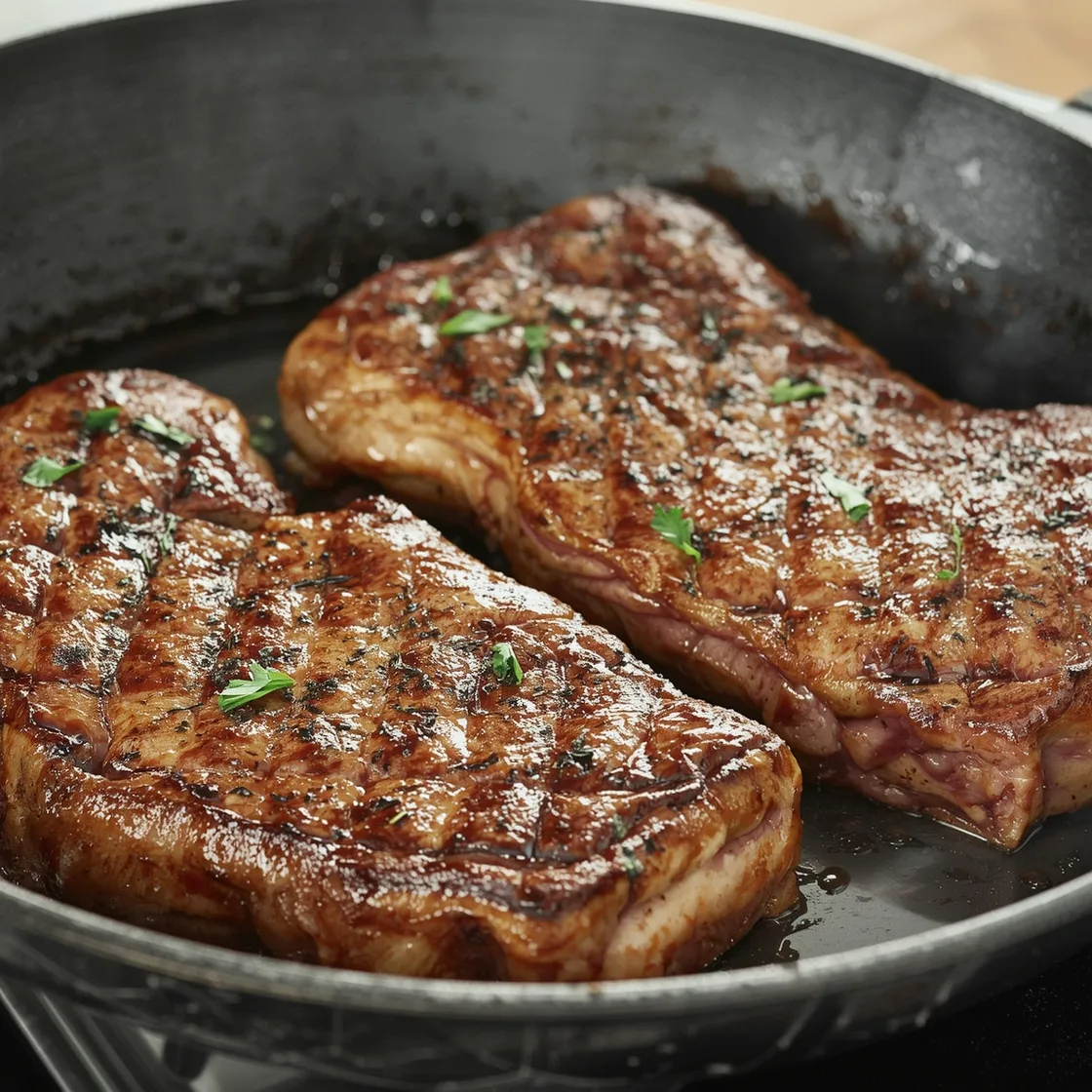
Add your high smoke point oil to the screaming hot pan. It should shimmer immediately. Carefully place the seasoned steak into the hot pan. Do not move it for at least 2-3 minutes. Let that crust develop! Resist the urge to poke or prod. After 2-3 minutes, you should see a deep, golden-brown crust forming. Flip the steak and sear on the second side for another 2-3 minutes.
Introduce Aromatics and Butter for Basting
Reduce the heat to medium-low. Add the unsalted butter, smashed garlic, and fresh herbs (rosemary or thyme) to the pan, alongside the steak. As the butter melts, it will sizzle and brown slightly. Tilt the pan and use a spoon to continuously baste the steak with the melted, aromatic butter. This step infuses the steak with incredible flavor and helps to create an evenly cooked interior. Continue basting for 2-4 minutes, flipping the steak every 30-60 seconds to ensure even cooking and thorough butter coverage.
Check for Doneness and Rest
This is where a good meat thermometer becomes your best friend. For a perfect medium-rare, aim for an internal temperature of 130-135°F (54-57°C). For medium, target 135-140°F (57-60°C). Remember that the steak will continue to cook a few degrees more as it rests (this is called carryover cooking). Once your desired doneness is reached, remove the steak from the pan and place it on a cutting board. It is absolutely crucial to let your steak rest for 5-10 minutes. This allows the juices to redistribute throughout the meat, preventing them from gushing out when you cut into it, ensuring every bite is moist and flavorful. You can loosely tent it with foil, but don’t wrap it tightly, as that can steam the crust.
Pro Tip: For an extra layer of flavor and to simplify your cooking, consider preparing a simple 3-ingredient steak marinade in advance. It can transform a good steak into an extraordinary one with minimal effort. You can find a fantastic recipe right here: Simple 3-Ingredient Steak Marinade
Nutritional Information
While steak is often seen as an indulgent meal, it’s also a powerhouse of essential nutrients. A typical 6-ounce (approx. 170g) portion of lean beef, like a sirloin, offers:
- Calories: ~350-450 (varies greatly with cut and fat content)
- Protein: ~40-45g (an excellent source for muscle repair and growth)
- Fat: ~20-30g (including saturated and unsaturated fats; choose leaner cuts for less saturated fat)
- Cholesterol: ~100-120mg
- Sodium: ~100-150mg (before added salt)
- Iron: ~4-6mg (20-30% Daily Value, crucial for oxygen transport)
- Zinc: ~6-8mg (50-70% Daily Value, important for immune function)
- Vitamin B12: ~2-3mcg (100%+ Daily Value, vital for nerve function and red blood cell formation)
Keep in mind these values are estimates and can vary significantly based on the cut of meat, exact portion size, and the amount of butter or oil used in cooking. For precise dietary planning, consulting a nutritional database specific to your chosen cut is always recommended. For general food safety guidelines related to meat, you can always refer to official sources like the United States Department of Agriculture’s Food Safety and Inspection Service: fsis.usda.gov.
Healthier Alternatives for the Recipe
Enjoying a fantastic steak doesn’t mean sacrificing your health goals. Here are a few ways to lighten up your meal without losing flavor:
- Choose Leaner Cuts: Opt for cuts like sirloin, flank steak, or top round. While they have less marbling, a proper sear and resting technique will still yield a tender result.
- Reduce Butter and Oil: While basting with butter adds incredible flavor, you can reduce the amount or use an olive oil spray for the initial sear,
then sparingly add butter only for the final basting alongside aromatics. - Focus on Flavorful Rubs: Instead of heavy marinades or sauces, rely on dry rubs packed with herbs and spices like paprika, garlic powder, onion powder, and chili flakes. These can create a depth of flavor without extra calories.
- Portion Control: A standard serving of red meat is about 3-4 ounces. Focus on a smaller, high-quality piece of steak and fill up on nutrient-dense side dishes.
- Sous Vide First: For ultimate control and tenderness with leaner cuts, sous vide your steak to your desired doneness, then finish with a quick, high-heat sear for the crust. This allows you to use minimal fat during the searing process.
Serving Suggestions
A perfectly cooked steak is a star on its own, but pairing it with the right accompaniments can elevate the entire dining experience. Here are some personal favorites that resonate with diverse palates:
- Classic Comfort: Creamy mashed potatoes (perhaps with roasted garlic) and buttery sautéed green beans or asparagus. This timeless duo is always a hit.
- Elegant & Light: A fresh arugula and Parmesan salad with a light lemon vinaigrette, accompanied by a side of roasted root vegetables (carrots, parsnips, sweet potatoes). The peppery greens cut through the richness of the steak beautifully.
- Bold & Hearty: Crusty artisan bread to sop up any pan juices, alongside a medley of roasted mushrooms (cremini, shiitake) and caramelized onions. This offers deep, umami-rich flavors.
- Global Inspired: Serve with a vibrant chimichurri sauce (fresh herbs, garlic, vinegar, olive oil) and a side of crispy polenta fries or simply grilled corn on the cob. The bright, tangy chimichurri provides an invigorating counterpoint.
- Quick & Easy: A simple baked potato with your favorite toppings and a quickly blanched and seasoned broccoli or broccolini. Minimal effort, maximum satisfaction.
Consider the other elements on your plate. A well-chosen side can cleanse the palate, add textural contrast, or complement the savory depth of the steak.
Common Mistakes to Avoid
Even seasoned home cooks can fall into common steak-cooking traps. Being aware of these pitfalls will dramatically improve your results:
- Cooking a Cold Steak: As mentioned, a steak straight from the fridge cooks unevenly. Data shows that bringing your steak to room temperature can decrease total cook time by up to 10% and significantly improve juiciness, as the muscle fibers relax and absorb heat more uniformly.
- Not Patting Steak Dry: Moisture creates steam, and steam prevents searing. A wet surface will lead to a grey, unappetizing steak instead of that desirable deep brown crust. This is the single biggest impediment to a great Maillard reaction.
- Insufficiently Hot Pan: This is another crust-killer. If your pan isn’t screaming hot, your steak will stew in its juices rather than searing, resulting in a tough, uninspired product. Patience when preheating your pan pays dividends.
- Overcrowding the Pan: If you’re cooking multiple steaks, work in batches. Overcrowding lowers the pan’s temperature, leading to the same issues as an insufficiently hot pan – steaming instead of searing.
- Flipping Too Often: Resist the urge! Each flip restarts the searing process. For the best crust, let it sear undisturbed for 2-3 minutes per side initially. After that, turning every 30-60 seconds during basting is fine.
- Not Using a Meat Thermometer: Guessing doneness is a recipe for disappointment. A reliable instant-read thermometer is an inexpensive investment that guarantees perfect results every single time. Eyeballing doneness is rarely accurate, especially for thicker cuts.
- Skipping the Rest: This is arguably the most crucial step after cooking. A steak fresh off the pan is under immense internal pressure, and cutting into it immediately will cause all those precious juices to flow out onto your board, leaving your steak dry. Resting allows the muscle fibers to relax and reabsorb the juices, maximizing tenderness and moisture. Skipping this step can reduce perceived juiciness by as much as 30%.
- Cutting Against the Grain: Once rested, when you slice your steak, observe the direction of the muscle fibers (the grain). Always cut against it. This shortens the fibers, making each bite incredibly tender. Cutting with the grain results in chewy, stringy steak.
Storing Tips for the Recipe
While a perfectly cooked steak is often devoured in one sitting, knowing how to properly store leftovers or prepare components ahead of time is incredibly useful.
- Cooked Steak: Allow any leftover cooked steak to cool completely at room temperature (no more than two hours) before transferring it to an airtight container. Refrigerate promptly. Properly stored, cooked steak will remain fresh for 3-4 days. This makes for excellent steak salads, sandwiches, or even quick stir-fries later in the week.
- Reheating Cooked Steak: Reheating steak can be tricky; the goal is to warm it through without overcooking and drying it out. The best method is to gently reheat it in a preheated oven at a low temperature (around 250°F / 120°C) until just warm, or slice it thinly and quickly warm it in a skillet over medium heat for a minute or two. Avoid the microwave, as it often leads to tough, rubbery steak.
- Raw Steak Storage: Always store raw steak in its original packaging or in an airtight container on the lowest shelf of your refrigerator to prevent any potential drips from contaminating other foods. Consume within 1-2 days of purchase, or freeze for longer storage. (See USDA guidelines linked earlier for more detailed food safety information).
- Freezing Raw Steak: For long-term storage, wrap individual steaks tightly in plastic wrap, then again in aluminum foil, or place them in freezer-safe bags, expelling as much air as possible. Label with the date. Frozen raw steak can maintain quality for 6-12 months. Thaw slowly in the refrigerator overnight before cooking.
Conclusion
There you have it—a comprehensive guide to unlocking the secrets of a truly exceptional steak. From selecting the right cut to understanding the nuances of temperature and rest, every step plays a vital role in transforming a simple ingredient into a culinary triumph. Remember, cooking is as much an art as it is a science, and practice truly does make perfect. Don’t be discouraged by initial imperfections; each attempt refines your touch and deepens your understanding.
Now, I urge you to put these techniques to the test. Gather your ingredients, fire up that pan, and embark on your journey to steak mastery. Share your experiences in the comments below—what’s your go-to steak cut? What did you serve alongside your perfectly cooked steak? Your insights not only inspire me but also empower our entire community of food lovers to cook with greater confidence and joy. Happy cooking!
FAQs
Q1: What’s the best steak cut for beginners?
A1: For beginners, a Ribeye or New York Strip steak are excellent choices. They are reasonably forgiving due to their marbling, which contributes to flavor and moisture retention, making them easier to cook without drying out.
Q2: How do I know when my pan is hot enough?
A2: Your pan is hot enough when you see slight wisps of smoke emanating from it, especially if you’re using a cast iron skillet. If you flick a few drops of water into the pan, they should immediately evaporate or dance aggressively.
Q3: Can I use olive oil for searing steak?
A3: While olive oil is great for many things, extra virgin olive oil has a low smoke point and can burn at the high temperatures required for searing, imparting a bitter flavor. It’s best to use high smoke point oils like avocado, grapeseed, or refined sunflower oil for the initial sear. You can add olive oil later during basting, if desired.
Q4: How important is resting the steak? Really?
A4: Extremely important! Resting the steak is non-negotiable for a juicy result. When steak cooks, the muscle fibers contract, pushing juices to the center. Cutting it immediately causes these juices to rush out. Resting allows the fibers to relax and redistribute the juices throughout the meat, ensuring every bite is moist and flavorful. Think of it as a crucial “rehydration” period.
Q5: What if I don’t have a meat thermometer?
A5: While a meat thermometer is highly recommended for accuracy, you can use the “poke test” as an approximation. A rare steak feels soft and squishy; medium-rare is soft with a slight spring; medium is firm but still springy; and well-done is very firm with almost no give. However, this method requires practice and is less reliable than a thermometer. Invest in one; it will elevate all your meat cooking!