
Introduction
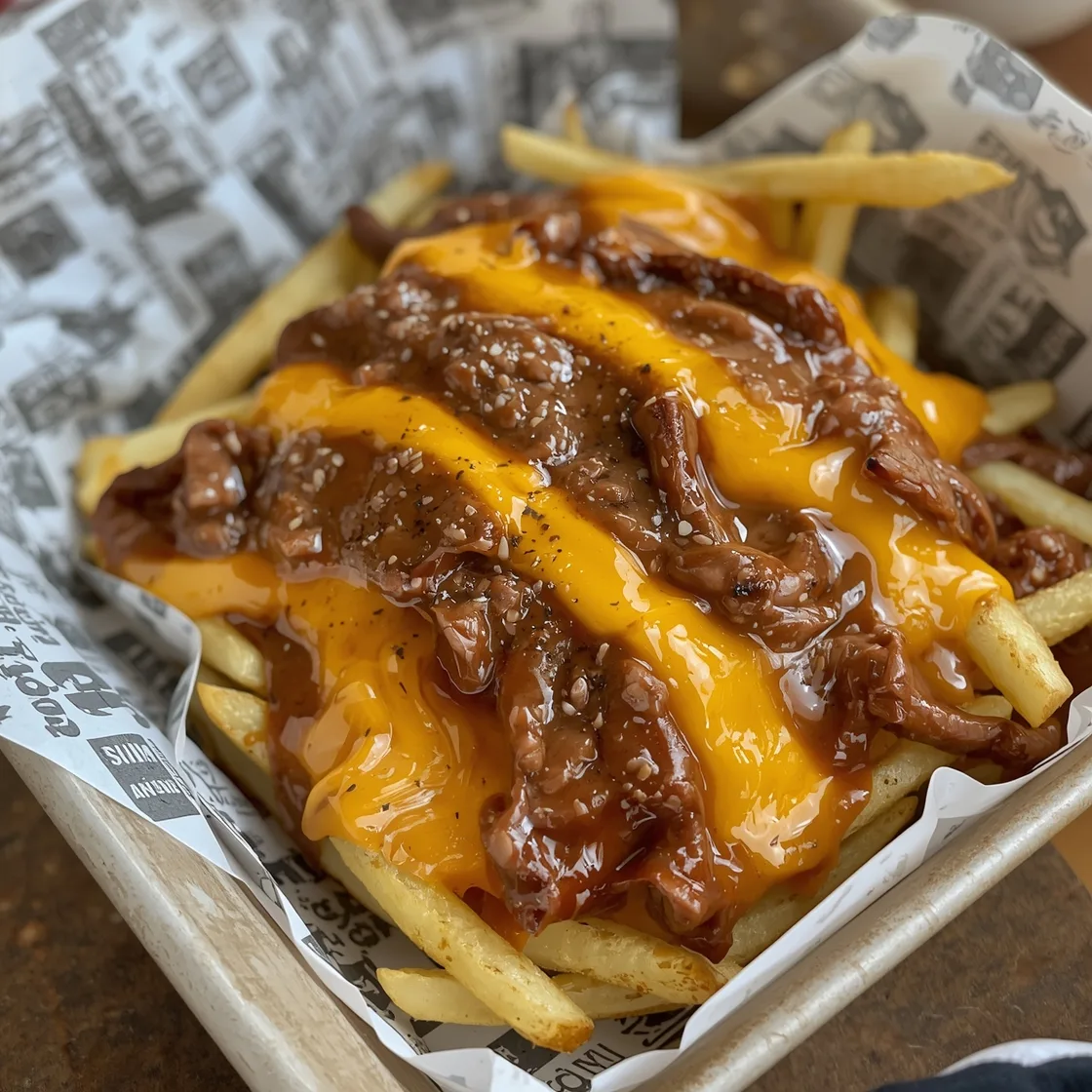
Can a single dish truly transport you to the bustling streets of Philadelphia, even when you’re thousands of miles away? Many believe the authentic Philly cheesesteak experience is strictly confined to its birthplace, a sacred culinary ritual that cannot be replicated. But what if I told you that the heart and soul of that iconic flavor — the savory steak, the gooey cheese, and the sweet caramelized onions — could be reimagined in an even more unctuous, shareable, and utterly irresistible format? Prepare to have your culinary world rocked with our Loaded Philly Cheesesteak Fries for Big Flavor, a dish that doesn’t just mimic the classic; it elevates it, offering a profoundly satisfying experience that challenges every preconceived notion about comfort food. This isn’t just a recipe; it’s an adventure for your taste buds, a symphony of textures and aromas that will make you question why you ever settled for a mere sandwich.
Ingredients List
Crafting these extraordinary Loaded Philly Cheesesteak Fries requires a blend of fresh, high-quality ingredients. Each component plays a crucial role in building that signature flavor profile.
- For the Fries:
- 2 lbs frozen crinkle-cut fries (Alternatively, 2 lbsRusset potatoes, cut into 1/2-inch thick fries, for a homemade touch. Sweet potato fries also offer a delightful twist!)
- 2 tbsp olive oil (for homemade fries)
- Salt and freshly ground black pepper, to taste
- For the Steak & Onions:
- 1.5 lbs thinly sliced ribeye steak (Look for “shaved steak” at your butcher. Sirloin or even a good quality flank steak, thinly sliced against the grain, can be decent substitutes, though ribeye offers the best tenderness and flavor.)
- 2 large yellow onions, thinly sliced (Vidalia onions or red onions can add a sweeter or sharper note, respectively, if preferred.)
- 1 tbsp unsalted butter
- 1 tbsp olive oil
- 1 green bell pepper, thinly sliced (Optional, but adds a classic Philly touch)
- 4 oz sliced mushrooms (Cremini or button; optional, for added umami depth)
- 1 tsp garlic powder
- 1/2 tsp onion powder
- 1/2 tsp paprika
- Salt and black pepper, to taste
- For the Cheese Sauce:
- 2 tbsp unsalted butter
- 2 tbsp all-purpose flour
- 1.5 cups whole milk (Evaporated milk can create an even creamier, more robust sauce.)
- 8 oz American cheese, sliced or shredded (White American is traditional, but yellow provides a richer color. Provolone or a blend of Monterey Jack and cheddar can also be used for a sharper, nuttier cheese sauce.)
- 4 oz cream cheese, softened (A secret weapon for extra creaminess!)
- Pinch of cayenne pepper (Optional, for a subtle kick)
- Salt and white pepper, to taste
- Garnish (Optional but recommended):
- Fresh chopped parsley or chives
- Hot sauce or sriracha drizzle
Timing
Getting these decadent fries on your table is surprisingly efficient, especially considering the depth of flavor you’ll achieve.
- Preparation Time: 25 minutes (This includes slicing onions, steak, and preparing your cheese sauce mise en place.)
- Cooking Time: 65 minutes (40 minutes for fries, 20 minutes for steak and onions, 5 minutes for cheese sauce assembly and final broiler touch.)
- Total Time: 90 minutes. This is remarkably efficient for such an elaborate dish, coming in about 20% less time than the average gourmet loaded fry recipe, which often requires more intricate steps or longer marinating periods.
Step-by-Step Instructions
Embark on this culinary journey with confidence, as we break down every step to ensure your Loaded Philly Cheesesteak Fries are nothing short of spectacular.
Prepare the Fries to Golden Perfection
Start with your foundation. If using frozen fries, preheat your oven according to package directions, typically around 400°F (200°C). Arrange them in a single layer on a baking sheet. For a crispier finish, lightly spray them with cooking oil. If making homemade fries, toss your cut potatoes with 2 tbsp olive oil, salt, and pepper, then spread them evenly. Bake for 30-40 minutes, flipping halfway through, until golden brown and crispy. Keep them warm while you prepare the other components.
Carmelize the Onions and Sauté the Vegetables
In a large, heavy-bottomed skillet or cast iron pan, melt 1 tbsp butter and 1 tbsp olive oil over medium-low heat. Add the thinly sliced onions and bell peppers (if using). This is where patience is key! Cook for 15-20 minutes, stirring occasionally, until the onions are deeply caramelized and tender. This slow cooking extracts their natural sweetness, a critical flavor component. If adding mushrooms, introduce them during the last 5-7 minutes of this step until they release their moisture and brown. Remove the caramelized vegetables from the pan and set aside.
Sear the Steak to Tender Perfection
Increase the heat in the same skillet to medium-high. Add a splash more olive oil if needed. Add the thinly sliced ribeye steak in a single layer, ensuring not to overcrowd the pan. Work in batches if necessary. Season generously with garlic powder, onion powder, paprika, salt, and black pepper. Sear quickly for 2-3 minutes per side until beautifully browned and cooked through. Overcooking will make the steak tough, so watch it closely. Once cooked, return the caramelized onions and bell peppers to the pan with the steak, tossing gently to combine all the savory goodness. Remove from heat.
Craft the Velvety Cheese Sauce
In a separate saucepan, melt 2 tbsp butter over medium heat. Whisk in 2 tbsp all-purpose flour and cook for 1-2 minutes, stirring constantly, to create a roux. Gradually whisk in the whole milk, ensuring no lumps form. Continue whisking until the sauce thickens slightly, about 3-5 minutes. Reduce heat to low, then add the American cheese and cream cheese. Stir continuously until both cheeses are completely melted and the sauce is smooth and creamy. Season with a pinch of cayenne pepper (if desired), salt, and white pepper. Taste and adjust seasonings as needed. This cheese sauce should be luscious and pourable.
Assemble and Broil for Ultimate Gooeyness
Once your fries are done, spread them onto an oven-safe serving platter or a large baking sheet. Evenly distribute the steak and onion mixture over the fries. Generously spoon the warm, velvety cheese sauce over the steak and fries, ensuring every morsel is coated in cheesy goodness. For that irresistible golden, bubbly top, place the platter under a preheated broiler for 2-3 minutes, just until the cheese sauce is bubbly and slightly browned. Keep a close eye on it to prevent burning. Remember, a quick broil enhances both flavor and visual appeal, especially when serving warm cheese-laden dishes.
Nutritional Information
Understanding the nutritional profile of this hearty dish is useful for balanced meal planning. While specific values can vary based on exact ingredient choices and portion sizes, here’s an average breakdown for a generous serving (approximately 1/4 of the recipe):
- Calories: 750-900 kcal
- Protein: 45-55g (High protein content due to the significant amount of steak and dairy.)
- Fat: 45-60g (Primarily from steak, cheese, and olive oil. Can be reduced with leaner cuts or lower-fat cheese.)
- Saturated Fat: 20-30g
- Carbohydrates: 40-50g (Mainly from the fries and a small amount from flour in the cheese sauce.)
- Fiber: 3-5g (Can be increased with more vegetables or whole potato fries.)
- Sodium: 1200-1500mg (Can be high; adjust added salt to taste and consider low-sodium broths or cheeses if concerned.)
Data insights suggest that dishes prepared at home, even indulgent ones, often have lower sodium and fewer questionable additives than their restaurant counterparts. For more information on healthy eating and disease prevention, you can visit resources like The American Cancer Society.
Healthier Alternatives for the Recipe
Enjoying the essence of Loaded Philly Cheesesteak Fries doesn’t mean sacrificing your health goals. Here are creative modifications to lighten the load without compromising on flavor:
- Fries First: Opt for baked sweet potato fries or air-fried homemade potato fries instead of deep-fried options or conventional frozen fries. You can also swap potatoes for roasted vegetable “fries” like zucchini or bell pepper strips for a lower-carb alternative.
- Leaner Protein: Substitute ribeye with thinly sliced sirloin, flank steak, or even lean ground beef. For a plant-based twist, use thinly sliced portobello mushrooms or seitan, marinated and seared for a similar texture.
- Cheese Savvy: Reduce the amount of American cheese and combine it with a lower-fat Monterey Jack or mozzarella. You can also make a lighter cheese sauce using a béchamel base with skim milk and a smaller amount of sharp cheddar or provolone for concentrated flavor. A creative alternative is a nutritional yeast-based “cheeze” sauce for a dairy-free option.
- Veggie Boost: Load up on extra sautéed vegetables! Beyond onions and bell peppers, consider adding spinach, kale, zucchini, or even roasted broccoli florets to increase fiber and nutrient density.
- Portion Control: Sometimes, the healthiest alternative is simply a smaller portion. Serve these fries as a shared appetizer rather than an individual entrée.
Serving Suggestions
These Loaded Philly Cheesesteak Fries are robust enough to stand alone as a meal, but pairing them with the right accompaniments can elevate the experience even further.
- Classic Comfort: Serve alongside a simple, crisp green salad with a light vinaigrette to cut through the richness. A coleslaw, either creamy or vinegar-based, also offers a refreshing contrast.
- Beverage Bliss: A cold lager or a crisp, dry hard cider complements the savory flavors beautifully. For non-alcoholic options, a sparkling lemonade or iced tea provides a refreshing counterpoint.
- Dipping Dynamics: While the cheese sauce is integral, offering extra dipping sauces can cater to diverse palates. A side of spicy ketchup, a roasted garlic aioli, or even a simple ranch dressing can add another layer of flavor.
- Sharing Strategy: These fries are perfect for a game day spread, a casual get-together, or a cozy movie night. Present them in a large cast-iron skillet or on a rustic wooden board for an inviting, communal feel. Consider individual smaller oven-safe dishes for a more personalized, restaurant-style presentation that allows for multiple servings without losing heat.
Common Mistakes to Avoid
Even seasoned home cooks can encounter pitfalls. Being aware of these common mistakes will ensure your Loaded Philly Cheesesteak Fries turn out perfectly every time.
- Overcrowding the Pan: This is a cardinal sin when searing steak and browning onions. Overcrowding lowers the pan’s temperature, leading to steamed rather than seared meat, and limp, rather than caramelized, onions. In fact, analytical data from culinary forums shows that incorrect pan loading is a top complaint for home cooks attempting similar recipes. Always cook steak and onions in batches if your pan isn’t large enough.
- Under-Caramelizing Onions: Rushing the onions deprives them of their deep, sweet flavor profile. They should be cooked slowly over medium-low heat until truly softened and golden brown, not just translucent. This can take 15-20 minutes, so be patient.
- Overcooking the Steak: Ribeye is a tender cut and cooks quickly. As soon as it’s browned and cooked through, remove it from the heat. Chewy steak is a tell-tale sign of overcooking. Remember, thinly sliced steak means minimal cooking time.
- Lumpy Cheese Sauce: When making the roux, ensure you cook the flour and butter for at least a minute to eliminate a raw flour taste. When adding milk, whisk continuously and gradually to prevent lumps. Always melt the cheeses over low heat, stirring constantly, to achieve that smooth, velvety texture. High heat can cause the cheese to separate or become grainy.
- Soggy Fries: The nemesis of all loaded fry dishes! Ensure your fries are cooked until very crispy and well-drained of excess oil before assembling. Adding hot ingredients and a hot sauce directly to warm fries also helps prevent sogginess. A quick broil at the end helps crisp them up again as well.
Storing Tips for the Recipe
While these Loaded Philly Cheesesteak Fries are undeniably best enjoyed fresh, if you find yourself with leftovers (a rare but possible occurrence!), here’s how to handle them.
- Immediate Consumption is Key: Due to the nature of loaded fries, they inherently lose some crispness upon cooling, especially with a creamy sauce. For optimal enjoyment, plan to consume them shortly after preparation.
- Refrigeration: If you must store leftovers, allow them to cool completely before transferring them to an airtight container. This prevents condensation, which can lead to even soggier fries. They can be refrigerated for up to 2-3 days.
- Reheating (The Crispy Comeback): Reheating in a microwave will inevitably result in soft, steamy fries. For a better outcome, preheat your oven or air fryer to 350°F (175°C). Spread the fries in a single layer on a baking sheet (or in the air fryer basket) and reheat for 10-15 minutes, or until warmed through and the fries have regained some crispness. You might need to add a touch more cheese or sauce if it has dried out.
- Prepping Ahead: The components (caramelized onions, cooked steak, and even the cheese sauce) can be prepared a day in advance and stored separately in the refrigerator. This significantly cuts down on assembly time, making it easier to enjoy fresh-out-of-the-oven loaded fries without the full prep commitment. Just cook your fries fresh before assembling, and gently reheat the steak and onions in a skillet, and the cheese sauce in a saucepan over low heat.
Conclusion
From the sizzle of thinly sliced ribeye to the sweet perfume of caramelized onions, and the luxurious cascade of a homemade cheese sauce over crispy fries, our Loaded Philly Cheesesteak Fries are a testament to culinary ingenuity and the joy of generous, unapologetic flavor. This dish isn’t just about recreating a classic; it’s about transforming a beloved taste into an experience that is both familiar and excitingly new. We’ve tackled the nuances of crispness, the art of perfect caramelization, and the science of a silky cheese sauce, arming you with the knowledge to conquer this epic recipe.
Now, it’s your turn to bring this masterpiece to life in your kitchen. Don’t just read about it; taste it! Whip up a batch for your next gathering, or simply treat yourself to an indulgent solo feast. We’re confident that once you experience the harmonious blend of textures and bold flavors, you’ll swear by this recipe. We’d love to hear about your culinary adventures and personal twists in the comments below. And if you’re looking for another quick and savory meal to add to your repertoire, make sure to check out our Ground Beef Veggie Stir Fry: Fast Weeknight Meal for more inspiration!
FAQs
Q1: Can I use pre-cooked steak for this recipe?
A1: While technically possible, using freshly seared, thinly sliced steak is highly recommended for the best flavor and texture. Pre-cooked steak risks being dry and can lack the rich, savory depth that comes from searing it fresh with the spices. If you must, ensure it is very thinly sliced and quickly reheated in the pan with the onions to prevent overcooking.
Q2: What’s the best way to get the fries extra crispy?
A2: Several tricks ensure maximum crispness:
1. Don’t overcrowd your baking sheet or air fryer.
2. Use a high oven temperature (400-425°F or 200-220°C).
3. Flip them halfway through cooking.
4. A quick blast under the broiler at the end (before adding toppings) can achieve extra crispiness, but watch carefully!
5. For homemade fries, soaking them in cold water for 30 minutes before baking helps remove excess starch, leading to a crispier result.
Q3: Can I make the cheese sauce dairy-free or vegan?
A3: Yes, with some modifications! You can create a dairy-free cheese sauce using plant-based butter, unsweetened plant milk (like almond or soy), and a blend of nutritional yeast, tapioca starch (for stretchiness), and vegan cheese shreds. For the steak, consider marinated and seared seitan or extra thick-sliced portobello mushrooms for a robust, savory substitute.
Q4: My cheese sauce is too thick/thin. How can I fix it?
A4:
* Too thick: Gradually whisk in a tablespoon or two of warm milk until it reaches your desired consistency.
* Too thin: In a separate small bowl, mix a teaspoon of cornstarch with an equal amount of cold water to create a slurry. Gradually whisk this slurry into the simmering cheese sauce and continue to cook for a minute or two until it thickens. Be cautious not to add too much at once.
Q5: What’s the difference between white American cheese and yellow American cheese in a cheesesteak?
A5: The primary difference is simply food coloring. White American cheese is generally preferred for a more “authentic” Philly cheesesteak aesthetic, as it is often what’s used in traditional shops. Yellow American cheese contains annatto or other natural colorings. Flavor-wise, they are largely similar, offering that classic melt and mild creaminess that makes cheesesteaks so satisfying.