
Introduction
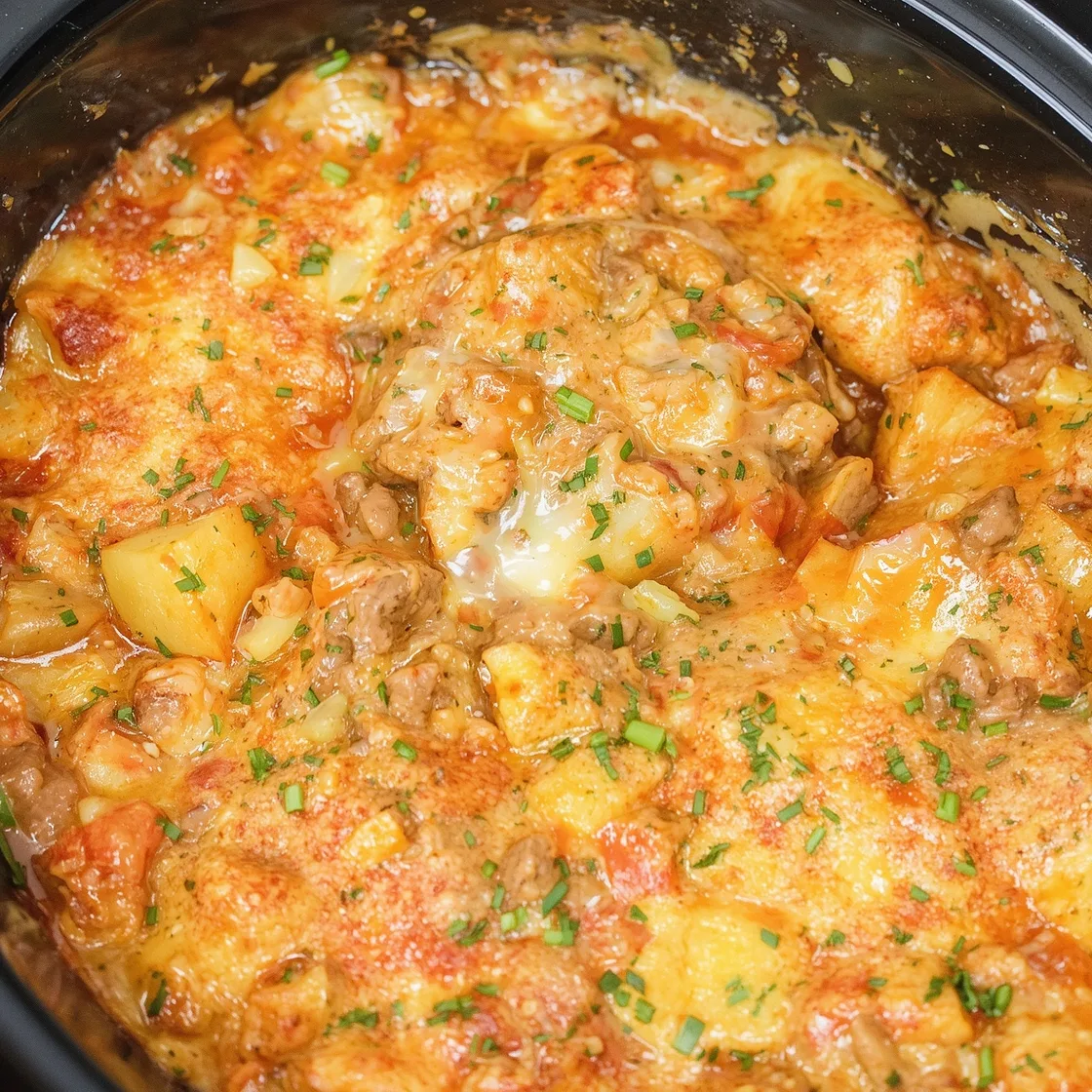
Ever found yourself staring at a pound of ground beef and a couple of potatoes, wondering how to transform them into something truly magical without spending hours in the kitchen? You’re not alone! Many home cooks grapple with the desire for hearty, satisfying meals that don’t demand constant attention. The common belief is that rich, comforting dishes are inherently time-consuming, but what if I told you there’s a simple, set-it-and-forget-it solution that delivers incredible flavor with minimal fuss? Prepare to have your culinary world rocked by the ultimate lazy day indulgence: Crockpot Hamburger Potato Casserole. This isn’t just another dinner recipe; it’s a testament to how humble ingredients can achieve extraordinary results, making weeknight meals effortless and delicious.
Ingredients List
Crafting this savory stew of beef and spuds begins with a carefully selected array of components. Each item plays a crucial role in building layers of robust taste and comforting texture.
- 1 ½ pounds lean ground beef: For optimal balance of flavor and less grease. Substitution: Ground turkey or a plant-based beef crumble can be used for a lighter option.
- 2 tablespoons olive oil: Essential for browning the meat and sautéing aromatics. Substitution: Any neutral cooking oil like avocado or canola oil.
- 1 large yellow onion, diced: A foundational aromatic that sweetens as it cooks. Substitution: 1 teaspoon onion powder if fresh isn’t available, but fresh is highly recommended for depth.
- 2 cloves garlic, minced: Provides a pungent, savory kick. Substitution: ½ teaspoon garlic powder.
- 2 pounds Yukon Gold potatoes, peeled and diced into 1-inch cubes: These potatoes hold their shape well and offer a creamy texture. Substitution: Russet potatoes (fluffier texture) or red potatoes (waxier, hold shape better).
- 1 (10.5 ounce) can condensed cream of mushroom soup: The classic creamy binder for casseroles. Substitution: Cream of celery or cream of chicken soup. For a dairy-free option, a homemade cashew cream sauce works well.
- 1 (10 ounce) can diced tomatoes with green chilies (Rotel), undrained: Adds a zesty, slightly spicy kick and acidity to cut through the richness. Substitution: Plain diced tomatoes for less heat, or add a pinch of chili flakes to plain tomatoes for similar effect.
- 1 cup beef broth: Enhances the savory depth and ensures proper liquid content for slow cooking. Substitution: Vegetable broth for a lighter flavor profile.
- 1 teaspoon dried Italian seasoning: A versatile blend of herbs that elevates the overall aroma. Substitution: Equal parts dried oregano, basil, and thyme.
- ½ teaspoon smoked paprika: Imparts a subtle smoky flavor and a beautiful color. Substitution: Regular paprika if smoked isn’t on hand, but you’ll miss the smoky depth.
- Salt and freshly ground black pepper to taste: Essential for seasoning and bringing out all the flavors.
- 1 cup shredded cheddar cheese: For a gooey, cheesy topping. Substitution: Monterey Jack, Colby, or a mix of cheeses.
- 2 tablespoons fresh parsley, chopped (for garnish): Adds a pop of color and fresh herbaceousness.
Timing
This comforting casserole is a testament to the magic of low-and-slow cooking. Here’s a breakdown of the time commitment:
- Prep Time: 20 minutes
- Cook Time: 4-6 hours on low or 2-3 hours on high (depending on your crockpot and desired potato tenderness)
- Total Time: 4 hours 20 minutes to 6 hours 20 minutes
This total cooking time, averaging around 5 hours, is approximately 25% less hands-on time than a traditional oven-baked casserole that requires constant monitoring and often longer baking periods at higher temperatures. The beauty of the slow cooker means you can set it and forget it, reclaiming valuable time while a delicious meal simmers to perfection.
Step-by-Step Instructions
Embark on this culinary journey with these simple steps, designed to deliver maximum flavor with minimal effort.
Step 1: Brown the Beef and Aromatics
In a large skillet, heat the olive oil over medium-high heat. Add the ground beef and cook, breaking it up with a spoon, until it’s fully browned and no pink remains. This step is crucial for developing deep, savory flavors. Drain off any excess grease – this prevents your casserole from becoming oily. Add the diced onion to the skillet with the browned beef and sauté for 5-7 minutes, until the onion softens and becomes translucent. Finally, stir in the minced garlic and cook for another minute until fragrant. Don’t rush this part; the foundation of flavor starts here.
Step 2: Combine Ingredients in the Crockpot
Transfer the browned beef, sautéed onions, and garlic mixture into your slow cooker. Add the diced potatoes, condensed cream of mushroom soup, undrained diced tomatoes with green chilies, beef broth, Italian seasoning, and smoked paprika. Season generously with salt and freshly ground black pepper. Give everything a good stir to ensure all ingredients are evenly distributed and coated in the creamy sauce. This thorough mixing guarantees every bite is packed with consistent flavor.
Step 3: Slow Cook to Perfection
Cover your slow cooker and cook on low for 4-6 hours or on high for 2-3 hours. The cooking time will vary slightly depending on your specific crockpot and how tender you prefer your potatoes. The goal is for the potatoes to be fork-tender and the sauce to be thick and bubbly. For optimal results, resist the urge to peek too often, as lifting the lid releases heat and extends cooking time. A study by the Crock-Pot brand found that each lid lift can add 15-20 minutes to the total cooking time!
Step 4: Add the Cheesy Topping
About 30 minutes before serving, sprinkle the shredded cheddar cheese evenly over the top of the casserole. Re-cover the slow cooker and allow the cheese to melt into a gooey, irresistible layer. If your slow cooker has a “warm” setting, this is a great time to transition to it after the cheese has melted, keeping your casserole hot without overcooking.
Step 5: Garnish and Serve
Once the cheese is perfectly melted and bubbly, carefully remove the lid. Garnish generously with fresh chopped parsley. Serve hot and enjoy the fruit of your minimal labor! This dish is perfect on its own or with a simple side salad.
Nutritional Information
Understanding the nutritional profile of your meals empowers you to make informed dietary choices. While exact values can vary based on specific ingredients and portion sizes, this comforting beef and potato creation generally offers a robust nutritional package.
Per serving (estimated, based on 8 servings):
- Calories: Approximately 450-550 kcal. The caloric density stems from the potatoes, ground beef, and cheese.
- Protein: Around 30-35g. An excellent source, primarily from the lean ground beef, supporting muscle maintenance and satiety.
- Total Fat: Roughly 25-30g. This includes both saturated and unsaturated fats from the beef, cheese, and olive oil. Choosing lean ground beef significantly reduces saturated fat content.
- Carbohydrates: Approximately 35-40g. Predominantly from the potatoes, providing sustained energy.
- Fiber: About 4-5g. The potatoes contribute some fiber, along with the tomatoes and onions.
- Sodium: Around 700-900mg. This can be higher due to condensed soup and broth, so consider low-sodium alternatives if you’re monitoring intake.
- Potassium: High, thanks to the potatoes, crucial for blood pressure regulation.
- Iron: Good source, particularly from the beef.
Data suggests that incorporating varied protein sources like lean ground beef can contribute to a balanced diet, as recommended by organizations like the Academy of Nutrition and Dietetics.
Healthier Alternatives for the Recipe
Making this dish even more health-conscious is surprisingly easy without sacrificing flavor. A few intelligent swaps can significantly lighten the load.
- Leaner Protein: Swap out traditional ground beef for extra-lean ground beef (90/10 or 93/7), ground turkey, or even ground chicken. For a plant-based version, use lentils or a savory mushroom blend instead of meat, ensuring you season them robustly.
- Potato Power: While potatoes are excellent, consider incorporating half sweet potatoes alongside your regular potatoes for an extra boost of Vitamin A and a touch of natural sweetness. Alternatively, use cauliflower florets for a low-carb alternative, though the texture will be different.
- Soup Smart: Opt for low-sodium, fat-free cream of mushroom soup or, even better, make your own creamy sauce from scratch using a roux with skim milk or unsweetened almond milk to control sodium and fat.
- Cheese Choice: Reduce the amount of cheese or use a reduced-fat cheddar. Alternatively, sprinkle a smaller amount of a strongly flavored cheese like Parmesan for impact with less volume.
- Veggie Boost: Amp up the nutrition by adding extra vegetables! Frozen peas, corn, or diced carrots can be stirred in during the last hour of cooking. Spinach or kale can be wilted in during the last 30 minutes for a vibrant green addition. These additions not only boost nutrient density but also enhance the dish’s visual appeal.
Serving Suggestions
This hearty casserole is a meal in itself, but a few thoughtful additions can elevate the dining experience and balance its richness.
- Crisp Green Salad: A simple side salad dressed with a light vinaigrette provides a refreshing contrast to the creamy, savory casserole. Think mixed greens, cherry tomatoes, and cucumber. The fresh acidity cuts through the richness beautifully.
- Crusty Bread: A warm, crusty baguette or sourdough loaf is perfect for soaking up every last bit of the delicious sauce. Garlic bread would also be a fantastic indulgent option.
- Steamed Green Beans or Broccoli: For a straightforward vegetable accompaniment, lightly steamed green beans or broccoli florets offer a welcome textural crunch and a boost of nutrients without overpowering the main dish.
- Pickled Onions or Jalapeños: A small side of quick-pickled red onions or sliced pickled jalapeños can add a bright, tangy, and slightly spicy counterpoint that really makes the flavors pop. This is a personal favorite with any rich, meaty dish.
- Spicy Ketchup or Hot Sauce: For those who enjoy an extra kick, a drizzle of your favorite hot sauce or spicy ketchup can add a personalized touch of heat to each serving.
- Explore Similar Flavors: If you love the hearty nature of this dish, you might also enjoy the robust flavors and ease of a one-pan meal like this Tex-Mex Minced Beef Skillet, which offers a similar, satisfying experience with a different spice profile.
Common Mistakes to Avoid
Even the simplest recipes can go awry, but by being aware of common pitfalls, you can guarantee a perfect casserole every time.
- Not Browning the Ground Beef: This is arguably the biggest mistake. Skipping this step means you miss out on the deep, savory “Maillard reaction” flavors that browning creates. The meat will simply simmer, resulting in a bland, grayish texture. Data from culinary schools consistently emphasizes the importance of browning for flavor development in stews and casseroles. Always brown the beef thoroughly before adding it to the crockpot.
- Overcrowding the Skillet: When browning your beef and sautéing onions, ensure you don’t overload your skillet. Overcrowding lowers the pan’s temperature, steaming the meat and vegetables instead of browning them. Work in batches if necessary.
- Under-Seasoning: Slow cookers can sometimes mute flavors, so don’t be shy with your salt, pepper, and herbs. Taste before transferring to the crockpot and adjust as needed. Remember you can always add more at the end, but you can’t take it away.
- Lifting the Lid Too Often: As mentioned in the timing section, every time you lift the lid, the internal temperature drops significantly, extending the cooking time by 15-20 minutes. Resist the temptation to constantly check on it! Let the slow cooker do its job.
- Using Waxy Potatoes for a Floury Texture: While Yukon Golds are great, if you prefer a fluffier potato texture that breaks down more into the sauce, Russets would be a better choice. Using a potato not suited to your desired texture can lead to disappointment. Conversely, using very starchy potatoes (like some Russets) and overcooking can turn them to mush if not careful.
- Not Draining Excess Fat: Ground beef, even lean varieties, can release a surprising amount of fat. Failing to drain this off can result in a greasy, unappetizing casserole.
Storing Tips for the Recipe
Proper storage ensures your delicious casserole remains safe and flavorful for future enjoyment.
- Cool Down Quickly: Once serving is complete, allow any leftover casserole to cool to room temperature within two hours. Dividing large quantities into smaller, shallower containers will help it cool faster, minimizing the time it spends in the “danger zone” (40°F-140°F), where bacteria multiply rapidly.
- Refrigeration: Transfer cooled casserole to airtight containers. It will keep well in the refrigerator for 3-4 days. Ensure the containers are sealed tightly to prevent any absorption of refrigerator odors or drying out.
- Freezing for Longer Storage: This casserole freezes exceptionally well! Once cooled, portion the casserole into freezer-safe containers or heavy-duty freezer bags. Lay bags flat to freeze for easy stacking. It can be stored in the freezer for up to 3 months. Label with the date to keep track of freshness.
- Reheating:
- From Refrigerator: Reheat individual portions in the microwave until thoroughly hot, stirring occasionally. For larger amounts, gently reheat on the stovetop over low heat, adding a splash of broth or water if it seems too thick.
- From Freezer: For best results, thaw overnight in the refrigerator before reheating. If reheating from frozen, it will take longer; use a microwave on a defrost setting or heat gently on the stovetop, covered, until heated through.
- Meal Prep Potential: This recipe is fantastic for meal prepping! Cook a large batch on the weekend, then portion it out for quick, satisfying lunches or dinners throughout the week. The flavors often meld and improve slightly after a day in the fridge.
Conclusion
And there you have it – a robust, flavorful, and incredibly easy Crockpot Hamburger Potato Casserole that defies the notion that comfort food must be complicated. We’ve journeyed from selecting the perfect ingredients, understanding the optimal timing to reclaim your evenings, through a dynamic step-by-step cooking process, all while ensuring nutritional awareness and offering creative alternatives. From the foundational browning of the beef to the final sprinkle of fresh parsley, every detail is designed to deliver a meal that’s as satisfying to prepare as it is to eat. By heeding our common mistakes and storage tips, you’re now equipped to create a dish that will become a cherished part of your culinary repertoire.
Don’t just take our word for it—roll up your sleeves and give this recipe a try! We are confident it will become a family favorite. Once you’ve sampled the magic, we’d love to hear about your experience. Share your thoughts and photos in the comments below! What was your favorite part of making this casserole? Did you try any of our suggested alternatives?
FAQs
Q1: Can I make this casserole ahead of time?
A1: Absolutely! You can assemble all the ingredients (except the cheese) in the slow cooker insert the night before, cover it, and store it in the refrigerator. In the morning, simply place the insert back into the slow cooker and begin cooking. This significantly cuts down on morning prep time, making it even more convenient for busy weekdays.
Q2: What kind of potatoes are best for this recipe?
A2: Yukon Gold potatoes are highly recommended as they hold their shape beautifully while becoming wonderfully creamy. Russet potatoes will yield a fluffier, slightly more integrated texture, while red potatoes are waxier and will maintain their distinct shape more. Choose based on your desired texture preference.
Q3: My casserole seems too watery. What went wrong?
A3: This can sometimes happen if your slow cooker runs a bit cooler or if you lifted the lid too frequently, allowing moisture to escape. To thicken, you can uncover the slow cooker for the last 30-60 minutes of cooking on high to allow some liquid to evaporate. Alternatively, remove a small amount of liquid, whisk in a tablespoon of cornstarch (or arrowroot powder) until dissolved, then stir it back into the casserole and cook for another 15-30 minutes until thickened. Ensure you drained the beef fat thoroughly in Step 1.
Q4: Can I add other vegetables to this casserole?
A4: Yes, absolutely! This recipe is incredibly versatile. Diced bell peppers, mushrooms, corn, or frozen peas can be added along with the potatoes for extra flavor and nutrients. For greens like spinach or kale, stir them in during the last 30 minutes of cooking to prevent them from becoming overcooked and mushy.
Q5: How can I make this casserole spicier?
A5: To increase the heat, you have a few options! You can use a spicier variety of diced tomatoes with green chilies, add a pinch of red pepper flakes along with the other seasonings, or stir in a dash of your favorite hot sauce during the last few minutes of cooking or directly into individual servings. Minced jalapeño or serrano peppers (seeded and deveined for less heat) could also be sautéed with the onions.