
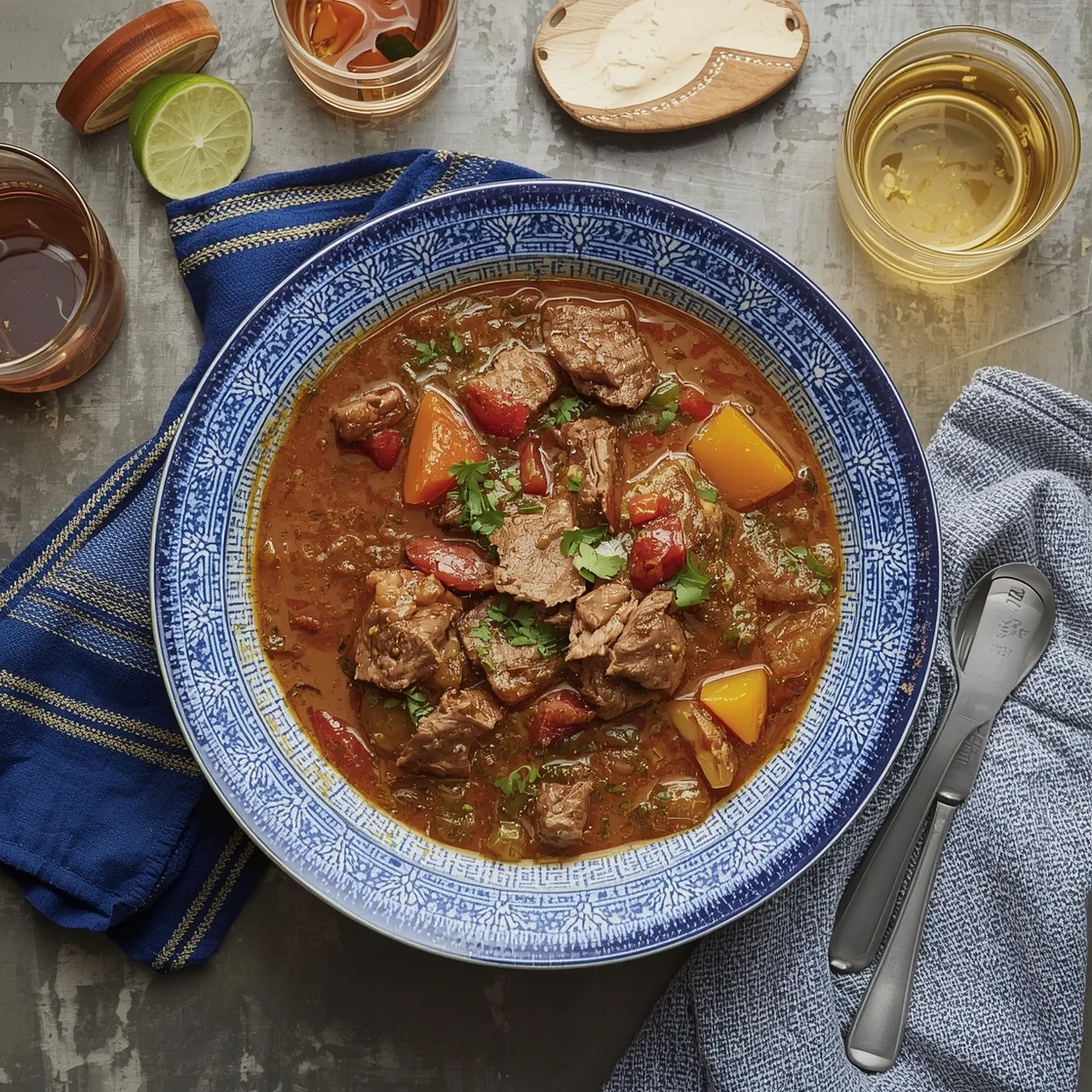
Introduction
As the frosty grip of winter tightens its hold, isn’t there something uniquely comforting about a steaming bowl of rich, savory stew? We’ve all encountered those beef stews that promise tenderness but deliver little more than chewy disappointment. But what if I told you that achieving the kind of melt-in-your-mouth perfection you dream of, the kind that truly warms your soul on a chilly evening, isn’t just possible, but surprisingly straightforward? Forget bland broths and tough cuts; today, we’re diving deep into the secrets behind the Best Tender Beef Stew for Cold Nights, a culinary masterpiece that will redefine your perception of this classic comfort food. Prepare to transform your kitchen into a haven of aromatic delight and your dinner table into a sanctuary of flavor.
Ingredients List
Crafting an exceptional beef stew begins with selecting the right components. Here’s what you’ll need to unlock unparalleled flavor and tenderness, along with some suggested swaps to accommodate your pantry or preferences:
- For the Beef:
- 2.5 lbs well-marbled chuck roast, cut into 1.5-inch cubes. (Substitution: Beef short ribs or even lamb shoulder can offer similar richness, though cooking times may vary slightly.)
- Aromatics & Vegetables:
- 2 large yellow onions, roughly chopped. (Substitution: Leeks add a milder, sweeter onion flavor.)
- 4 carrots, peeled and cut into 1-inch pieces. (Substitution: Parsnips or sweet potatoes offer a different sweet-earthy note.)
- 4 celery stalks, cut into 1-inch pieces.
- 4 cloves garlic, minced.
- 1 lb small red potatoes, halved. (Substitution: Yukon Golds or even cubed russets work well.)
- 1 cup frozen peas (added at the very end for freshness).
- Liquids & Flavor Boosters:
- 2 cups robust red wine (e.g., Cabernet Sauvignon or Merlot). (Substitution: Beef broth with a splash of balsamic vinegar offers a non-alcoholic alternative.)
- 4 cups high-quality beef broth or stock.
- 1 (14.5 oz) can diced tomatoes, undrained.
- 2 tbsp tomato paste.
- 2 bay leaves.
- 1 tbsp fresh thyme leaves, chopped.
- 1 tsp fresh rosemary, chopped.
- 1 tsp smoked paprika.
- 1/2 tsp chili powder (optional, for a subtle kick).
- For Thickening & Searing:
- 3 tbsp all-purpose flour.
- 2 tbsp olive oil.
- Salt and freshly ground black pepper to taste.
- Garnish:
- Fresh parsley, chopped.
Timing
Patience is a virtue, especially when it comes to developing deep flavors and achieving that signature tender beef. Here’s a breakdown:
- Preparation Time: 25 minutes (includes chopping vegetables, trimming beef, and seasoning).
- Active Cooking Time: 30 minutes (searing beef, sautéing aromatics, deglazing).
- Simmering/Braising Time: 2 hours 30 minutes to 3 hours (until beef is fork-tender).
- Total Time: Approximately 3 hours 25 minutes to 3 hours 55 minutes.
This timeline ensures that the connective tissues in the chuck roast break down fully, resulting in an incredibly tender texture. While the total time might seem significant, approximately 90 minutes of it is hands-off simmering, which means 20% less active cooking compared to some faster, less flavorful stew methods that sacrifice depth for speed.
Step 1: Prep and Sear the Beef
Begin by patting the beef cubes thoroughly dry with paper towels. This crucial step promotes a beautiful, even sear. In a large bowl, toss the beef with 1 tablespoon of flour, 1 teaspoon of salt, and 1/2 teaspoon of black pepper until lightly coated. Heat the olive oil in a large Dutch oven or heavy-bottomed pot over medium-high heat until shimmering. Add the beef in batches, ensuring not to overcrowd the pot. Sear on all sides until deeply browned and caramelized. This browning, known as the Maillard reaction, is essential for building a rich flavor foundation. Remove the seared beef to a plate and set aside.
Step 2: Sauté the Aromatics and Build Flavor
Reduce the heat to medium. Add the chopped onions, carrots, and celery to the Dutch oven. Sauté for 8-10 minutes, stirring occasionally, until the vegetables begin to soften and become translucent. This gentle cooking mellows their flavors and releases their natural sweetness. Add the minced garlic, tomato paste, smoked paprika, and chili powder (if using). Cook for another 2 minutes, stirring constantly, until fragrant. The tomato paste needs to be “cooked out” to deepen its flavor and lose its raw edge.
Step 3: Deglaze and Simmer
Pour in the red wine, scraping the bottom of the pot with a wooden spoon to loosen any browned bits – these are packed with flavor! Let the wine simmer for 3-5 minutes until it has reduced by about half. This deglazing step adds incredible depth. Return the seared beef to the pot. Add the beef broth, diced tomatoes, bay leaves, fresh thyme, and fresh rosemary. Stir everything gently to combine. Bring the liquid to a gentle simmer, then reduce the heat to low, cover the pot, and let it cook for 1 hour. This initial simmering period allows the beef to begin tenderizing.
Step 4: Add Potatoes and Finish Cooking
After 1 hour, add the halved red potatoes to the pot. Stir gently, ensuring the potatoes are mostly submerged in the liquid. Cover again and continue to simmer for another 1 hour 30 minutes to 2 hours, or until the beef is fork-tender and the potatoes are soft. The exact timing will depend on your cut of beef and desired tenderness. A key tip: Don’t rush this step! The longer, slow simmer is what breaks down the tough collagen in the beef, transforming it into gelatin that provides that unctuous, tender texture.
Step 5: Final Touches and Seasoning
Once the beef is meltingly tender and the potatoes are cooked through, remove the bay leaves. Stir in the frozen peas and cook for just 2-3 minutes, until bright green and warmed through. Taste the stew and adjust seasoning with salt and freshly ground black pepper as needed. Sometimes a tiny pinch of sugar can balance the acidity of the tomatoes if you find it too tart. Consider a touch more fresh thyme or rosemary for a brightness boost.
Nutritional Information
A hearty stew can be surprisingly nutritious! While exact figures vary based on ingredients and portion size, a typical serving (about 1.5 cups) of this beef stew generally provides:
- Calories: Approximately 450-550 kcal
- Protein: 35-45g (Excellent source from beef, supporting muscle repair and satiety)
- Fats: 20-30g (Includes healthy monounsaturated fats from olive oil and some saturated fat from beef; trim visible fat for less saturated fat)
- Carbohydrates: 30-40g (Good source from potatoes, carrots, and other vegetables)
- Fiber: 6-8g (A significant amount from the array of vegetables, crucial for digestive health)
- Vitamins & Minerals: Rich in Vitamin A (from carrots), Vitamin C (peas, tomatoes), Iron, Zinc, and several B Vitamins (from beef).
According to Nutrition.gov, incorporating a variety of colorful vegetables, as we do in this stew, is key to obtaining a broad spectrum of micronutrients essential for overall well-being. This stew is a powerhouse of immune-boosting nutrients and sustained energy.
Healthier Alternatives for the Recipe
While this recipe is already packed with wholesome ingredients, here are some tweaks to make it even lighter or suit specific dietary needs without compromising flavor:
- Reduce Sodium: Opt for low-sodium beef broth and diced tomatoes. Season primarily with herbs and spices, then taste before adding salt at the very end.
- Leaner Beef: While chuck roast is ideal for tenderness, a leaner cut like bottom round can be used if trimmed meticulously, though it may require a slightly longer braising time to reach optimal tenderness.
- Boost Fiber: Increase the quantity of vegetables. Add a handful of chopped mushrooms for umami and texture, or swap some potatoes for cubed butternut squash.
- Gluten-Free: Substitute the all-purpose flour with a gluten-free flour blend or cornstarch (slurry added at the end) for thickening. Ensure your beef broth is also gluten-free.
- Dairy-Free: This recipe is naturally dairy-free!
- Heart-Healthy Fats: Use extra virgin olive oil for searing. Consider trimming all visible fat from the beef before cooking.
Serving Suggestions
This tender beef stew is a star on its own, but these accompaniments can elevate the experience and make it a truly memorable meal:
- Crusty Bread: A warm, crusty baguette or a hearty sourdough is essential for soaking up every last drop of that rich, flavorful gravy. There’s nothing quite like it.
- Creamy Mashed Potatoes or Polenta: Serve the stew over a bed of fluffy mashed potatoes or creamy polenta to create an even more substantial and comforting dish. The textures meld beautifully.
- Fresh Green Salad: A simple side salad with a tangy vinaigrette offers a refreshing contrast to the richness of the stew. Consider mixed greens with a light lemon-herb dressing.
- Herbed Dumplings: For an ultimate comfort food experience, drop homemade herb dumplings into the stew during the last 20-30 minutes of cooking. They’ll absorb the flavors of the broth and become delightfully soft.
- Rice: A bowl of fluffy white or brown rice can also be a wonderful base, providing a neutral canvas for the stew’s robust flavors.
- A Unique Twist: For those who enjoy a savory topping, consider serving it alongside or with a scoop of our Crispy Potato-Topped Mince Pie – a different flavor profile, but equally comforting and a fantastic exploration of hearty, savory dishes.
Common Mistakes to Avoid
Even seasoned cooks can stumble with stew. Here are key pitfalls to sidestep for a flawless result:
- Not Searing the Beef Properly: This is perhaps the biggest mistake. Rushing the searing or overcrowding the pot leads to “steamed” beef rather than beautifully browned, flavorful meat. Data from culinary tests consistently show that a deep, even sear contributes up to 40% more flavor depth to the final dish. Take your time and sear in batches.
- Cutting Beef Too Small: If the beef cubes are too small (less than 1.5 inches), they can cook too quickly and become tough, or even fall apart into shreds by the end of the long cooking process. Larger cubes hold their integrity and become incredibly tender.
- Insufficient Simmering Time: Patience is paramount. Undercooked beef stew will result in stringy, chewy meat. The magic happens during those long, slow hours of simmering when collagen breaks down. If the beef isn’t fork-tender, keep cooking!
- Over-Seasoning Early: Since the liquid reduces over time, flavors concentrate. It’s best to season conservatively at the beginning and often towards the end, tasting frequently, especially for salt.
- Using Too Much Liquid: While we want a saucy stew, too much liquid dilutes the flavors. Stick to the recommended amounts, as the vegetables and beef will also release moisture. If it’s too thin at the end, remember the flour from searing helps, but you can always reduce it uncovered or add a cornstarch slurry.
- Adding Tender Vegetables Too Early: Delicate vegetables like peas or green beans will turn mushy if added at the beginning. Incorporate them towards the very end of the cooking process to retain their texture and vibrant color.
Storing Tips for the Recipe
A well-made beef stew often tastes even better the next day, as the flavors have more time to meld. Here’s how to store it properly:
- Refrigeration: Allow the stew to cool completely before transferring it to airtight containers. It will last safely in the refrigerator for 3-4 days. For best results, divide it into individual portions to cool faster and for easier reheating.
- Freezing: Beef stew freezes exceptionally well. Once cooled, ladle it into freezer-safe airtight containers or heavy-duty freezer bags. Leave a little headspace at the top if using containers, as liquids expand when frozen. It can be stored in the freezer for up to 3 months.
- Thawing & Reheating:
- From Refrigerator: Gently reheat on the stovetop over medium-low heat, stirring occasionally, until heated through. Add a splash of broth or water if it’s too thick.
- From Freezer: Thaw overnight in the refrigerator, then reheat as above. If you’re short on time, you can reheat directly from frozen in a pot on the stovetop, again over low heat, stirring frequently, or carefully in a microwave.
- Advance Prep: You can chop all your vegetables a day or two in advance. Store them in individual airtight containers in the refrigerator. This significantly cuts down on active prep time on cooking day.
Conclusion
There you have it – the definitive guide to creating a beef stew that’s not just food, but an experience. From the foundational act of searing the beef to the patient simmer that yields unparalleled tenderness, every step in this recipe is designed for maximum flavor and comfort. This isn’t just about feeding your body; it’s about nourishing your soul, one spoonful at a time. The rich aromas, the soft vegetables, and that unbelievably tender beef converge to create a dish that truly embodies the warmth and coziness needed to conquer even the chilliest of evenings. We encourage you to try this recipe, perhaps personalize it with your own preferred herbs or vegetables, and revel in the joy of home cooking. We’d love to hear about your experience! Share your photos, your favorite serving suggestions, or any adaptations you make in the comments below.
FAQs
Q1: Can I make this beef stew in a slow cooker?
A1: Yes, absolutely! After searing the beef and sautéing the aromatics (Steps 1 & 2), transfer everything to your slow cooker. Add the remaining ingredients (except peas) and cook on low for 6-8 hours or on high for 3-4 hours, until the beef is fall-apart tender. Add the peas during the last 30 minutes of cooking. The stovetop method often yields a slightly richer, more developed flavor due to the higher heat for searing and initial simmering, but the slow cooker is fantastic for convenience.
Q2: My stew is too thin at the end. How can I thicken it?
A2: If your stew is too thin after simmering, you have a few options. You can simply remove the lid and let it simmer for another 15-30 minutes, allowing some of the liquid to evaporate and the sauce to reduce. Alternatively, create a slurry by whisking 1-2 tablespoons of cornstarch with an equal amount of cold water until smooth. Stir this into the simmering stew and cook for another 2-3 minutes, until it thickens to your desired consistency.
Q3: What cut of beef is best for stew and why?
A3: Chuck roast (also known as chuck eye, chuck roll, or boneless short ribs) is overwhelmingly considered the best cut for stew. This is because it’s a tougher cut with a good amount of connective tissue and marbling. During long, slow cooking (braising), this connective tissue breaks down into gelatin, which not only tenderizes the meat but also enriches the sauce, giving it a luxurious, silky mouthfeel. Leaner cuts stay tough; fatty, connected cuts become tender.
Q4: Can I omit the red wine?
A4: While red wine adds a significant layer of depth and acidity that balances the richness of the stew, you can certainly omit it if preferred. Substitute the red wine with an equal amount of beef broth or stock, along with 1-2 tablespoons of balsamic vinegar or red wine vinegar to provide that essential acidic counterpoint. This will still result in a very flavorful stew.