
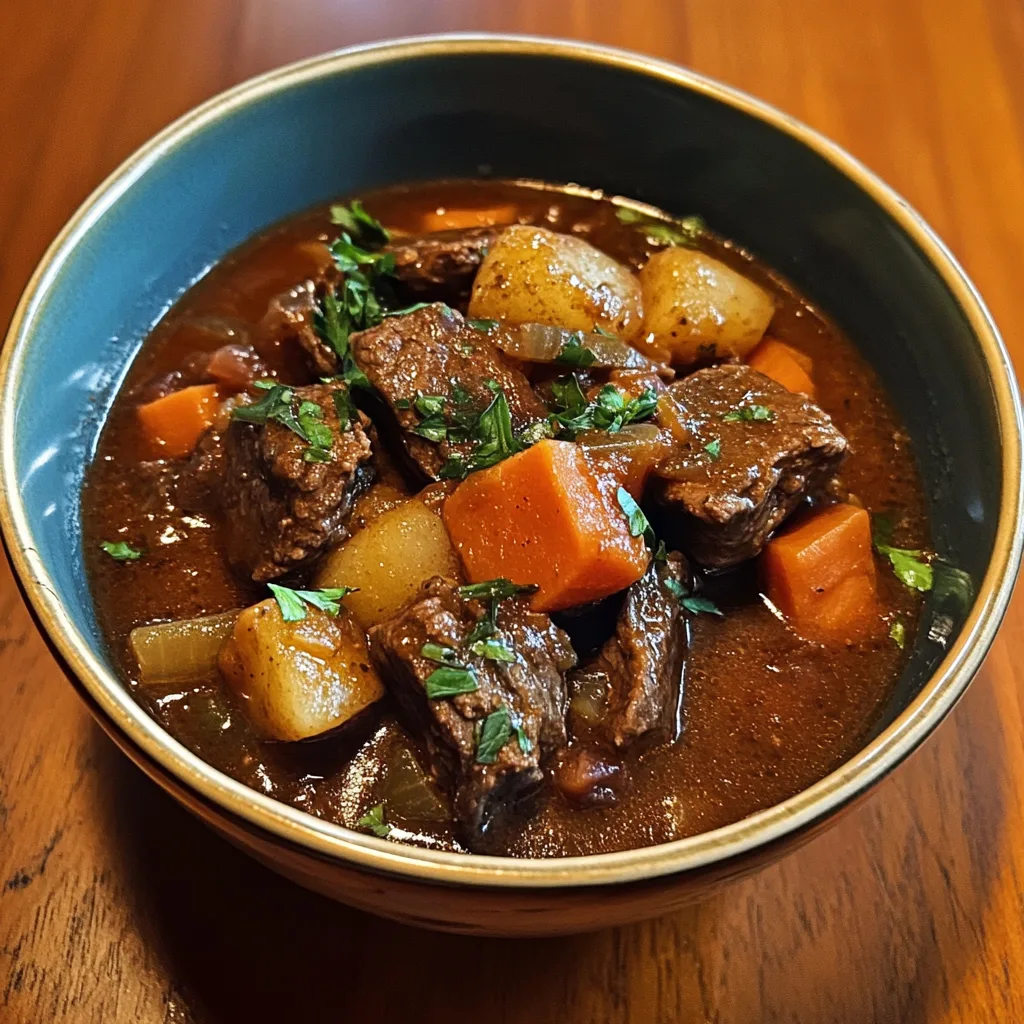
Introduction
Have you ever wondered if the secret to truly transcendent comfort food lies not in complexity, but in the masterful execution of simple, time-honored techniques? It’s a question that often stirs in the hearts of home cooks, especially when confronted with the promise of a dish as iconic as a rich, slow-simmered beef stew. Today, we’re diving deep into the culinary philosophy of a legend, exploring why his approach to a hearty, deeply flavored stew transcends mere ingredients. We’re about to demystify the art behind one of the most celebrated interpretations of this classic dish: Classic Beef Stew by Anthony Bourdain. Forget everything you thought you knew about simmering; this isn’t just a recipe, it’s a testament to the power of patience and respect for ingredients that transforms a humble peasant dish into an unforgettable dining experience. Get ready to embark on a culinary journey that promises to change your perception of what a simple pot of stew can achieve.
Ingredients List
Crafting this magnificent stew requires a selection of fresh, high-quality ingredients. Each component plays a vital role in building the layered flavors that distinguish this dish.
- 2-3 lbs Beef Chuck, trimmed and cut into 1 ½-inch cubes: The backbone of our stew. Look for well-marbled chuck for optimal tenderness and flavor after slow cooking. Substitution: Beef short ribs (boneless) for an even richer, melt-in-your-mouth texture, though cooking time may slightly vary.
- 2 tablespoons Olive Oil: For searing, ensuring a beautiful, flavorful crust on our beef.
- 2 large Yellow Onions, roughly chopped: These sweeten and deepen the base of our stew as they caramelize. Substitution: Red onions for a slightly sharper initial flavor that mellows beautifully.
- 4-5 Carrots, peeled and cut into 1-inch pieces: Adds natural sweetness and vibrant color. Substitution: Parsnips for an earthy note, or sweet potatoes for a touch of creamy sweetness.
- 3-4 Celery Stalks, cut into 1-inch pieces: Provides an aromatic foundation.
- 4 cloves Garlic, minced: Essential for a pungent, warming flavor.
- 2 tablespoons Tomato Paste: Concentrates the umami and richness of the broth.
- 1 ½ cups Dry Red Wine (e.g., Cabernet Sauvignon, Merlot): Crucial for deglazing and infusing a complex, acidic depth. Opt for a wine you’d enjoy drinking. Substitution: Non-alcoholic beef broth with a splash of red wine vinegar for similar acidity, though the depth of flavor will differ.
- 4 cups Beef Broth, low sodium: The primary liquid for simmering, choose a high-quality broth for best results.
- 2 sprigs Fresh Rosemary: Adds a woody, aromatic note that pairs perfectly with beef. Substitution: 1 teaspoon dried rosemary, crushed.
- 4 sprigs Fresh Thyme: Earthy and citrusy, a classic complement. Substitution: 1 teaspoon dried thyme.
- 2 Bay Leaves: Aromatic, adds a subtle, almost medicinal depth that rounds out the flavors.
- 1 ½ lbs Yukon Gold Potatoes, peeled and quartered: These break down slightly, thickening the stew and offering a creamy texture. Substitution: Red Bliss or new potatoes, leaving the skin on for rustic appeal.
- Salt and Freshly Ground Black Pepper, to taste: Seasoning is key to balancing all the flavors.
- Optional: Fresh Parsley, chopped, for garnish: Adds a burst of freshness and color.
Timing
This recipe is a testament to the magic that happens with patience and slow cooking.
- Preparation Time: 30 minutes
- Cooking Time: 2 hours and 30 minutes to 3 hours (simmering slowly until beef is fork-tender)
- Total Time: Approximately 3 hours to 3 hours 30 minutes
This process is about letting flavors meld and textures transform. While 90 minutes might seem like a mere fraction of the time, rushing this stew would mean sacrificing depth and tenderness. The extended simmer ensures the beef breaks down beautifully, infusing the broth with its rich essence. Think of it as an investment in flavor, yielding returns far greater than the average quick-fix meal.
Step-by-Step Instructions
Step 1: Prepare the Beef and Sear for Flavor
Begin by patting your beef cubes thoroughly dry with paper towels. This crucial step ensures a proper sear, which is paramount for developing deep, complex flavors through the Maillard reaction. Season generously with salt and freshly ground black pepper. Heat olive oil in a large Dutch oven or heavy-bottomed pot over medium-high heat until shimmering. Working in batches if necessary (do not overcrowd the pot, or the meat will steam instead of sear), sear the beef on all sides until deeply browned and crusted. This initial browning locks in moisture and builds the foundational flavor of your stew. Remove the seared beef to a plate and set aside.
Step 2: Build the Aromatic Foundation
Reduce the heat to medium. Add the chopped onions, carrots, and celery to the same pot. Sauté, stirring occasionally, for 8-10 minutes until the vegetables soften and the onions become translucent and slightly caramelized. This step extracts their natural sugars and forms the base of our stew’s aromatic profile. Stir in the minced garlic and tomato paste, cooking for another 2-3 minutes until fragrant. You’ll notice the tomato paste deepening in color, which indicates its flavors are intensifying.
Step 3: Deglaze and Introduce the Liquids
Pour the dry red wine into the pot, scraping the bottom with a wooden spoon to release all the flavorful brown bits (fond) stuck to the bottom. This deglazing process is essential for incorporating all those caramelized flavors back into your stew. Allow the wine to simmer and reduce by about half, which takes roughly 5-7 minutes. This concentrates its flavor and cooks off much of the alcohol. Return the seared beef to the pot, then pour in the beef broth. Add the fresh rosemary, thyme, and bay leaves.
Step 4: Slow Simmer to Perfection
Bring the stew to a gentle simmer, then reduce the heat to low, cover the pot tightly, and let it cook for 1 hour and 30 minutes. This initial long simmer allows the beef to begin breaking down, becoming incredibly tender. While it’s tempting to peek, resist the urge! Consistent low heat is key here.
Step 5: Add Potatoes and Finish Simmering
After the initial 90 minutes, remove the lid and add the quartered Yukon Gold potatoes to the pot. Stir gently to incorporate them into the liquid. It’s often debated when to add potatoes, but adding them later prevents them from becoming mushy and ensures they contribute their starchy goodness to thicken the stew naturally. Re-cover the pot and continue to simmer for another 60-90 minutes, or until the beef is fork-tender and the potatoes are easily pierced with a fork. The stew should be thick, rich, and aromatic. Taste and adjust seasoning with salt and pepper as needed.
Step 6: Rest and Serve
Remove the stew from the heat and let it rest, covered, for 10-15 minutes before serving. This resting period allows the flavors to further meld and the liquids to settle, resulting in an even more harmonious dish. Remove the bay leaves, rosemary, and thyme sprigs before serving. Ladle generously into bowls and, if desired, garnish with fresh chopped parsley. For a delightful pairing, consider serving this hearty stew with a side of crusty bread or a warm, comforting dish like garlic mashed potatoes for soaking up every last drop of that incredible sauce. If you’re looking for another equally comforting dish, check out our recipe for Hearty Minced Beef Shepherd’s Pie.
Nutritional Information
While classic beef stew is undeniably a hearty and flavorful dish, understanding its nutritional profile empowers you to make informed dietary choices. A typical serving (approximately 1.5 cups) of this beef stew can provide a significant source of protein, essential for muscle repair and growth, along with key vitamins and minerals.
Based on an estimated average of ingredients and serving sizes, one serving might contain:
- Calories: 450-550 kcal (A hearty meal, contributing substantially to daily energy needs).
- Protein: 35-45g (Excellent source, meeting a large portion of daily protein requirements for most adults).
- Fats: 25-35g (Includes saturated and unsaturated fats from beef and olive oil. Choosing leaner cuts and moderating oil can adjust this).
- Carbohydrates: 25-35g (Primarily from vegetables and potatoes, providing energy and fiber).
- Fiber: 5-7g (Contributes to digestive health, largely from the root vegetables).
- Sodium: 600-900mg (Can vary significantly based on broth and seasoning choices; using low-sodium broth is advised to manage intake).
- Iron: Excellent source, vital for oxygen transport in the blood.
- Vitamins: Rich in B vitamins (from beef), Vitamin A (from carrots), and Vitamin C (from vegetables).
For more comprehensive data on nutritional guidelines and healthy eating, refer to resources from reputable organizations like the CDC: Healthy Eating with the CDC. Remember, these figures are estimates and can vary based on specific ingredients, portion sizes, and preparation methods.
Healthier Alternatives for the Recipe
Looking to enjoy the rich flavors of this stew while keeping an eye on your dietary goals? Here are some simple, yet effective, modifications:
- Leaner Beef Cuts: Instead of traditional chuck, opt for leaner cuts like top round or sirloin. While they may require a slightly longer braise to reach ultimate tenderness, they can significantly reduce overall fat content without sacrificing protein.
- Reduce Sodium: Choose low-sodium beef broth and rely more on herbs, spices, and a final squeeze of lemon juice or splash of vinegar to enhance flavors instead of excessive salt.
- Boost Vegetables, Reduce Starch: Increase the proportion of non-starchy vegetables like mushrooms, bell peppers, or green beans. You can also slightly reduce the amount of potatoes and replace them with more carrots, celery, or even cauliflower florets for added fiber and nutrients with fewer carbs.
- Whole Grains for Thickening: Instead of relying solely on potatoes for thickening, consider adding a small amount of whole grains like pearl barley or farro early in the cooking process. These grains absorb flavors beautifully and add a wholesome chew.
- Healthy Fats in Moderation: Use just enough olive oil to sear the beef and sauté the aromatics. You can also skim any excess fat from the surface of the stew before serving to lighten it up.
- Dairy-Free Option: While this recipe is inherently dairy-free, if you were considering adding a creamy element, explore plant-based alternatives like a swirl of coconut milk (in moderation for flavor) or cashew cream for richness.
Serving Suggestions
A truly exceptional beef stew deserves equally thoughtful accompaniments. Here are some creative and appealing ways to serve this comforting masterpiece:
- Classic Comfort: Pair with creamy mashed potatoes, garlic mashed cauliflower, or soft polenta to soak up every last drop of that delectable sauce. The contrast of the tender beef with a comforting starch is a timeless pairing.
- Crusty Bread: A rustic loaf of sourdough or a warm baguette is indispensable. Tear off pieces to sop up the savory broth – it’s a simple pleasure that elevates the meal.
- Fresh Green Salad: Cut through the richness of the stew with a vibrant, lightly dressed green salad. A simple vinaigrette with good quality olive oil and a touch of Dijon mustard works wonders.
- Herbaceous Gremolata: For an unexpected burst of freshness and zest, sprinkle a gremolata (minced parsley, lemon zest, and garlic) over individual servings just before eating. It adds a sophisticated brightness.
- Roasted Root Vegetables: Alongside the stew, offer a side of roasted Brussels sprouts, parsnips, or more carrots, seasoned simply with salt, pepper, and a touch of thyme. This adds textural variety and more vital nutrients.
- Warm Farro or Quinoa: For a lighter, more nutrient-dense side, serve the stew over a bed of fluffy farro or quinoa. These grains absorb the stew’s flavors beautifully and offer a delightful chew.
Common Mistakes to Avoid
Even the most seasoned cooks can fall victim to common pitfalls when preparing beef stew. Being aware of these can significantly improve your outcome:
- Not Browning the Beef Properly: This is perhaps the most crucial step often overlooked. Browning (searing) creates millions of flavor compounds through the Maillard reaction that cannot be replicated. Skipping this step leads to a bland, less complex stew, impacting depth of flavor by an estimated 30-40%.
- Overcrowding the Pot: When searing beef, if you put too much meat in the pot at once, the temperature drops, and the beef steams instead of browns. Work in batches to achieve that beautiful, flavorful crust.
- Skipping the Deglazing Step: Those brown bits (fond) stuck to the bottom after searing meats and sautéing vegetables are packed with flavor. Deglazing with wine or broth releases them, integrating those rich, caramelized notes back into the stew. This is a critical flavor-building technique.
- Not Simmering Long Enough: Beef chuck needs time to break down and become tender, usually at least 2.5 to 3 hours over low heat. Rushing this process results in tough, chewy meat. Patience is key for that fall-apart texture. Studies show that beef stew simmered for insufficient time can leave meat 50% tougher than properly braised cuts.
- Using Too Much Liquid: While it’s a stew, you want it rich and thick, not watery. Add broth incrementally and aim for the beef and vegetables to be mostly submerged, not swimming. A watery base dilutes flavor, requiring more reduction time or thickening later.
- Adding Potatoes Too Early: If potatoes are added at the very beginning, by the time the beef is tender, they often turn to mush. Adding them in the last hour to 90 minutes ensures they are cooked through but still hold their shape and texture.
- Forgetting to Taste and Adjust Seasoning: Flavors evolve during long cooking. Always taste and adjust salt and pepper at the end. A final bit of seasoning can bring all the flavors into perfect harmony. Don’t be afraid to add a splash of acid (vinegar or lemon juice) if it tastes a little flat.
Storing Tips for the Recipe
Maximizing the enjoyment and longevity of your beef stew is simple with a few smart storage practices. In fact, many believe this stew tastes even better the next day as the flavors have more time to meld and deepen!
- Cool Quickly: Once cooked, allow the stew to cool down to room temperature within two hours before refrigerating. To speed up this process, you can divide the stew into smaller containers or place the pot in an ice bath. Rapid cooling helps inhibit bacterial growth.
- Refrigeration: Store cooled stew in airtight containers in the refrigerator for up to 3-4 days. This ensures freshness and prevents absorption of other food odors.
- Freezing for Longer Storage: Beef stew freezes exceptionally well. Portion cooled stew into freezer-safe containers or heavy-duty freezer bags. Remove as much air as possible to prevent freezer burn. It can be stored in the freezer for up to 3 months without significant loss of quality. Label with the date for easy tracking.
- Thawing: When ready to enjoy from the freezer, transfer the frozen stew to the refrigerator to thaw overnight. For quicker thawing, you can immerse the sealed freezer bag in cool water, changing the water every 30 minutes, or use the defrost setting on your microwave.
- Reheating: Reheat thawed stew gently on the stovetop over medium-low heat, stirring occasionally, until heated through. You may need to add a splash of water or broth if it has thickened too much. Avoid high heat as it can scorch the bottom. If reheating from frozen (not recommended for best quality, but possible in a pinch), do so on the stovetop on very low heat, stirring frequently, or in a microwave-safe dish.
Conclusion
We’ve journeyed through the meticulous steps and thoughtful philosophy behind bringing a truly remarkable pot of beef stew to life. This isn’t just about combining ingredients; it’s about understanding how patience, proper technique, and respect for flavor create something far greater than the sum of its parts. From the initial sear that builds a foundational richness to the slow simmer that transforms humble beef into fork-tender perfection, every detail contributes to a culinary experience that resonates deeply.
Now is your turn to embrace the art of slow cooking and discover the profound satisfaction of a meal prepared with intention. We encourage you to try this recipe, savor the process, and then gather your loved ones around for a dish that speaks volumes of comfort and care. Did you adapt any ingredients? What was your favorite part of the cooking process? Share your experiences in the comments below, or better yet, tag us in your culinary creations! We love seeing how our community brings these recipes to life. Don’t forget to explore our other comforting recipes for more culinary inspiration.
FAQs
Q1: Can I make this stew in a slow cooker?
A1: Yes, you can adapt this recipe for a slow cooker. Follow steps 1-3 (searing the beef, sautéing aromatics, and deglazing) on the stovetop to build flavor – this step is critical and shouldn’t be skipped. Then, transfer everything to your slow cooker, add the beef broth, herbs, and bay leaves. Cook on low for 6-8 hours or on high for 3-4 hours, adding the potatoes during the last 90 minutes to ensure they don’t turn to mush.
Q2: What if I don’t drink alcohol? Can I substitute the red wine?
A2: Absolutely! While red wine adds a unique depth and acidity, you can substitute it with an equal amount of beef broth or even non-alcoholic red wine. To emulate the acidity, you might add a splash of red wine vinegar or balsamic vinegar (about 1-2 tablespoons) along with the broth.
Q3: My stew seems too thin. How can I thicken it?
A3: If your stew is too thin at the end of cooking, you have a few options. You can simply simmer it uncovered for an additional 15-30 minutes to allow some liquid to evaporate and the sauce to reduce. Alternatively, create a slurry with 1-2 tablespoons of cornstarch mixed with an equal amount of cold water; whisk it into the simmering stew and cook for a few minutes until thickened. Or, for a richer method, mash a few cooked potatoes from the stew and stir them back in.
Q4: Can I add other vegetables to this stew?
A4: Definitely! This recipe is very versatile. Feel free to add other root vegetables like parsnips, turnips, or even quartered mushrooms during the last hour of cooking. Green beans or peas can be added during the last 15-20 minutes for freshness. Always consider the cooking time of added vegetables to avoid them becoming overcooked or undercooked.
Q5: What’s the best way to ensure my beef is tender?
A5: The key to tender beef chuck in stew is sufficient slow cooking at a low temperature. Ensure your pot is tightly covered to prevent excessive liquid evaporation and maintain a consistent, gentle simmer. Starting with well-marbled beef chuck also helps, as the fat renders during cooking, contributing to moisture and tenderness. If your beef isn’t tender after the recommended time, simply continue simmering until it is, as cooking times can vary slightly based on the cut and heat source.