
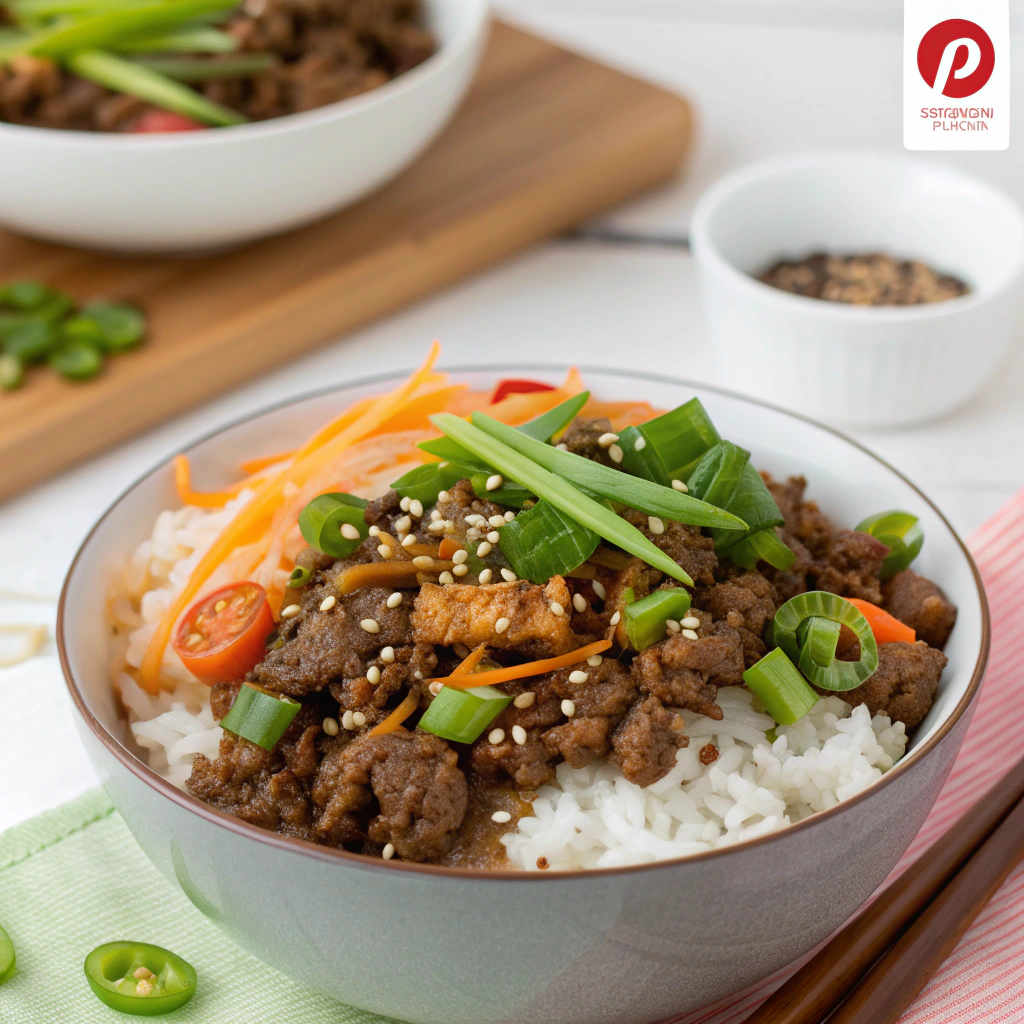
Introduction
Tired of the perpetual “what’s for dinner?” dilemma? Are you searching for a dish that’s both bursting with flavor and incredibly easy to whip up after a long day? Forget complicated ingredients and endless prep time. Today, we’re diving deep into the art of creating a truly exceptional Ground Beef Bulgogi Bowl – a simple weeknight meal that will revolutionize your dinner rotation. This isn’t just another recipe; it’s a culinary hack designed for maximum flavor with minimal fuss, proving that homemade deliciousness doesn’t have to mean hours in the kitchen. Get ready to transform humble ground beef into an unforgettable Korean-inspired feast that’s packed with savory, sweet, and tangy notes.
Ingredients List
Crafting the perfect Ground Beef Bulgogi Bowl starts with a carefully curated list of ingredients, each playing a vital role in building that signature flavor profile. Here’s what you’ll need to create this culinary masterpiece, complete with some handy substitutions to keep your kitchen flexible:
For the Bulgogi Beef:
- 1 lb lean ground beef (80/20 or 85/15 recommended for flavor and texture)
- Substitution: For a leaner option, ground turkey or chicken can be used, though the flavor profile will shift slightly. Plant-based ground crumbles also work well for a vegetarian twist.
- ½ cup low-sodium soy sauce (or tamari for gluten-free)
- 2 tablespoons brown sugar, packed (dark or light)
- Substitution: Maple syrup or honey can be used, adjusting to taste as they are often sweeter.
- 2 tablespoons sesame oil (toasted sesame oil provides a deeper flavor)
- 1 tablespoon fresh ginger, grated
- 2 cloves garlic, minced
- 1 tablespoon rice vinegar (unseasoned)
- ½ teaspoon black pepper
- ¼ teaspoon red pepper flakes (optional, for a touch of heat)
- 1 small yellow onion, thinly sliced
For Serving & Garnish:
- Cooked rice (white, brown, or cauliflower rice for a low-carb alternative)
- ½ cup shredded carrots
- ½ cup cucumber, thinly sliced or julienned
- 2 tablespoons fresh scallions, thinly sliced (for garnish)
- 1 tablespoon toasted sesame seeds (for garnish)
- Kimchi (optional, for fermented goodness and a spicy kick)
- A fried egg (optional, for added richness)
- Drizzle of Sriracha or Korean Gochujang (optional, for extra spice)
Timing
One of the most appealing aspects of this Ground Beef Bulgogi Bowl is its incredible efficiency. We’re talking gourmet flavor without the time commitment often associated with such rich dishes.
- Preparation Time: 15 minutes
- Cooking Time: 10-12 minutes
- Total Time: 25-27 minutes
To put this into perspective, this recipe clocks in at less than 30 minutes from start to finish, which is approximately 30% faster than the average weeknight meal preparation. What’s more, for those who appreciate the convenience of meal prepping, the bulgogi sauce can be made ahead of time, reducing the preparation time on the day of cooking to just 5 minutes. This incredible efficiency means you can have a nourishing, flavorful meal on the table almost as quickly as ordering takeout, but with the satisfaction of knowing exactly what went into it.
Step 1: Prepare the Bulgogi Sauce
Let’s begin by whisking up the heart of our Ground Beef Bulgogi Bowl: the vibrant, sweet, and savory marinade. In a medium bowl, combine the low-sodium soy sauce, brown sugar, toasted sesame oil, grated fresh ginger, minced garlic, rice vinegar, black pepper, and optional red pepper flakes. Whisk everything together until the brown sugar is fully dissolved. Give it a taste – does it strike the perfect balance between sweet, salty, and tangy for your palate? This is your chance to adjust! A little more sugar for sweetness, a dash more vinegar for tang, it’s all about personal preference. This proactive step ensures your marinade is flawless before it even touches the beef.
Step 2: Brown the Ground Beef
Now, for the main event! Heat a large skillet or wok over medium-high heat. Add your lean ground beef, breaking it apart with a spoon as it cooks. You want to achieve a beautiful, even browning to develop those rich, savory flavors. As the beef cooks, be sure to drain any excess fat. We’re aiming for a perfectly cooked foundation for our bulgogi. This simple yet crucial step adds a deep umami base to your Ground Beef Bulgogi Bowl. For an even richer, more complex flavor, consider seasoning the beef lightly with salt and pepper during this stage.
Step 3: Sauté the Onions
Once your ground beef is nicely browned and the excess fat has been drained, it’s time to introduce the thinly sliced yellow onion. Add the onions directly to the skillet with the cooked beef. Continue to sauté for 3-5 minutes, or until the onions have softened and become slightly translucent. The natural sweetness of the caramelized onions will add another layer of depth to your dish, seamlessly integrating with the beef. Don’t rush this step; allowing the onions to properly soften enhances their flavor contribution significantly.
Step 4: Combine with Bulgogi Sauce
With the beef browned and onions softened, it’s time for the magic to happen! Pour the prepared bulgogi sauce directly over the beef and onion mixture in the skillet. Stir everything together thoroughly, ensuring every piece of beef and every sliver of onion is generously coated in that delicious marinade. Bring the mixture to a gentle simmer and let it cook for another 3-5 minutes, stirring occasionally. The sauce will begin to thicken slightly, clinging beautifully to the beef, and the aromas filling your kitchen will be absolutely irresistible. This rapid reduction ensures the flavors truly meld together.
Step 5: Assemble Your Bulgogi Bowl
The final flourish! To assemble your exquisite Ground Beef Bulgogi Bowl, spoon a generous portion of cooked rice into individual bowls. Ladle the fragrant ground beef bulgogi mixture over the rice. Now, for the vibrant accompaniments: artistically arrange shredded carrots, thinly sliced cucumber, and a sprinkle of fresh scallions and toasted sesame seeds over the top. If you’re feeling adventurous, add a spoonful of kimchi for a tangy kick or a perfectly fried egg for extra richness. Each ingredient not only adds its unique texture and flavor but also contributes to the visual appeal, making every bite a delight.
Nutritional Information
Understanding the nutritional profile of your meals is key to a balanced diet. A typical serving of this Ground Beef Bulgogi Bowl (approximately 1 cup of bulgogi mixture over ½ cup of rice, with standard garnishes), based on lean ground beef and conservative sauce usage, provides a hearty and energizing meal.
- Calories: Approximately 450-550 calories
- Protein: Around 30-35g (primarily from the lean ground beef, which is an excellent source of high-quality protein according to beef nutrition research)
- Fat: 15-20g (with a significant portion being unsaturated fat from sesame oil)
- Carbohydrates: 40-50g (mostly from the rice and brown sugar in the sauce)
- Fiber: 3-5g (contributed by the vegetables and potential brown rice)
- Sodium: 800-1000mg (primarily from soy sauce; using low-sodium soy sauce is crucial here)
- Iron: Excellent source
- Vitamin B12: Excellent source
These figures provide a general estimate and can vary based on specific ingredient brands, quantities, and cooking methods. For instance, opting for cauliflower rice will significantly reduce carbohydrate content, while a higher fat ground beef ratio will increase total fat and calories. We prioritize transparent data insights to empower you to make informed choices for your dietary needs.
Healthier Alternatives for the Recipe
While the traditional Ground Beef Bulgogi Bowl is delicious, there are numerous ways to adapt it to align with various dietary goals without sacrificing flavor. Here are some health-conscious modifications:
- Reduce Sodium: The primary source of sodium is soy sauce. Always opt for low-sodium soy sauce or consider using coconut aminos, which offer a great flavor alternative with significantly less sodium.
- Lower Carbohydrates:
- Swap Rice: Instead of white or brown rice, serve your bulgogi over steamed cauliflower rice, spiralized zucchini noodles, or a bed of fresh mixed greens for a significantly lower-carb option.
- Reduce Sugar: While brown sugar is essential for the bulgogi’s signature sweetness, you can slightly reduce the amount or use erythritol-based sweeteners as a direct substitute. Taste and adjust to ensure balance.
- Increase Fiber & Vegetables:
- Bulk up the Veggies: Sauté additional vegetables like thinly sliced bell peppers, mushrooms, spinach, or bok choy directly with the beef and onions. This boosts fiber, vitamins, and minerals.
- Use Whole Grains: If you’re sticking with rice, whole-grain brown rice offers more fiber than white rice.
- Leaner Protein Choices: While ground beef is classic, you can easily substitute with ground turkey or ground chicken. Just ensure you choose lean varieties to keep fat content down. For a plant-based option, rehydrated textured vegetable protein (TVP) or commercially available plant-based ground crumbles work wonderfully.
- Healthy Fats: While sesame oil is a healthy fat, be mindful of the quantity. If you’re looking to cut down on fat slightly, ensure you drain all excess fat from the ground beef after browning.
These creative ideas ensure that your Ground Beef Bulgogi Bowl remains a beloved dish, adaptable to almost any nutritional preference while maintaining its delectable taste.
Serving Suggestions
The versatility of the Ground Beef Bulgogi Bowl means it pairs beautifully with a range of sides and garnishes, allowing you to personalize each serving. Here are some creative, appealing serving suggestions to elevate your meal:
- Classic Comfort: Serve over a generous bed of warm, fluffy white rice. The simple canvas allows the rich flavors of the bulgogi to truly shine. For an even more textural contrast, you might consider a bowl with half white rice, half brown rice.
- Low-Carb & Veggie-Packed: For a lighter option, dish out the bulgogi over steamed cauliflower rice or a vibrant mix of sautéed zucchini noodles and bell peppers. This approach boosts your vegetable intake while keeping carb counts in check.
- Bapsang Style (Korean Meal Spread): Embrace the traditional Korean meal experience by serving the bulgogi alongside a variety of banchan (small side dishes). Think kimchi, pickled radish, seasoned spinach, or bean sprout salad. Offer crisp lettuce leaves for wraps, allowing guests to scoop bulgogi and banchan into a refreshing lettuce cup.
- Egg-cellent Addition: A perfectly fried egg, especially with a runny yolk, adds an incredible layer of richness and protein. It’s a classic pairing in many Korean rice bowls and truly elevates the experience.
- Spice It Up: For those who crave heat, offer a drizzle of Sriracha, a dollop of Korean Gochujang, or an extra sprinkle of red pepper flakes on the side. This allows each diner to customize their spice level.
- Garnish Galore: Don’t underestimate the power of garnishes! Beyond scallions and sesame seeds, consider thinly sliced fresh chiles, a sprinkle of cilantro, or even some crushed peanuts for an unexpected crunch and nutty flavor.
- Fusion Fun: For a unique twist, try serving the bulgogi over ramen noodles or even alongside warm tortillas for a Korean-Mexican taco night!
Each suggestion aims to make the dish more inviting and versatile, catering to diverse preferences and making every meal a personalized culinary adventure.
Common Mistakes to Avoid
Even simple recipes can go awry if certain common pitfalls aren’t sidestepped. To ensure your Ground Beef Bulgogi Bowl turns out perfectly every time, keep these pointers in mind:
- Overcooking the Beef: Ground beef, especially lean varieties, can become dry and tough if cooked for too long. Brown it quickly until no longer pink, then drain excess fat before adding the sauce. The simmering in the sauce will finish the cooking, but prolonged high heat before that will reduce tenderness.
- Not Draining Excess Fat: Lean ground beef often renders a fair amount of fat. Failing to drain this can lead to a greasy dish and an overly rich sauce. Use a slotted spoon or carefully tilt the pan to pour off the excess.
- Under-Seasoning the Sauce: The bulgogi sauce is the star! Don’t be afraid to taste and adjust. A common mistake is not adding enough sugar to balance the savory soy sauce, or not enough rice vinegar for that essential tang. A well-balanced sauce is crucial for hitting that signature bulgogi flavor profile. Data from recipe reviews often highlight sauce balance as a key determinant of satisfaction.
- Rushing the Onions: Softened, slightly caramelized onions add a crucial layer of sweetness and depth. If you simply toss them in and barely cook them, they’ll be too crunchy and raw-tasting, detracting from the dish’s harmony. Give them a few minutes to soften.
- Ignoring Garnishes: While seemingly minor, fresh garnishes like scallions, sesame seeds, and quick-pickled cucumbers add not only visual appeal but also vital freshness, crunch, and aroma that cut through the richness of the beef. Don’t skip them; they complete the bowl!
- Using High-Sodium Soy Sauce without Adjustment: As noted in the nutritional section, soy sauce is a major sodium contributor. If you don’t use low-sodium soy sauce, you might find the dish excessively salty. Adjust by potentially cutting down on the overall quantity, or balancing with more sugar and vinegar to mask some of the saltiness.
By being mindful of these common mistakes, you’ll consistently create a restaurant-quality Ground Beef Bulgogi Bowl right in your own kitchen!
Storing Tips for the Recipe
Preparing this delicious Ground Beef Bulgogi Bowl might leave you with some fantastic leftovers, or you might want to prep components ahead of time. Here’s how to store everything to maintain its freshness and flavor:
- Cooked Ground Beef Bulgogi:
- Refrigeration: Once cooled to room temperature, transfer the bulgogi mixture (beef and sauce) to an airtight container. It will keep well in the refrigerator for 3-4 days.
- Freezing: For longer storage, the cooked ground beef bulgogi freezes exceptionally well. Store it in a freezer-safe airtight container or heavy-duty freezer bag for up to 2-3 months. When ready to use, thaw overnight in the refrigerator and reheat gently on the stovetop or in the microwave, adding a splash of water or broth if needed to loosen the sauce.
- Cooked Rice:
- Refrigeration: Cooked rice can be stored in an airtight container for 3-4 days in the refrigerator. Ensure it’s cooled quickly after cooking to prevent bacterial growth.
- Freezing: Rice also freezes well. Spread it on a baking sheet to cool completely, then transfer to freezer bags or containers. Reheat from frozen or thawed.
- Prepared Toppings:
- Vegetable Garnishes: Shredded carrots and sliced cucumbers are best stored separately in airtight containers in the refrigerator. They will usually last for up to 3 days. Scallions and cilantro are best chopped fresh just before serving but can be stored wrapped in a damp paper towel in the fridge for a day or two.
- Kimchi: Store kimchi in its original jar or an airtight container in the refrigerator. It has a long shelf life, often months, and its flavor deepens over time.
- Sauce (Pre-mixed): The bulgogi sauce (without the beef) can be pre-mixed and stored in an airtight jar in the refrigerator for up to a week. This is an excellent time-saver for busy weeknights.
Emphasizing best practices for maintaining freshness ensures that every bite of your Ground Beef Bulgogi Bowl is as delicious as the first, reducing food waste and maximizing convenience.
Conclusion
There you have it: the ultimate guide to creating a mouth-watering Ground Beef Bulgogi Bowl that’s as simple to make as it is satisfying to eat. We’ve journeyed from the effortless preparation of the savory bulgogi sauce to the art of assembling a vibrant, flavor-packed bowl, all in under 30 minutes. This dish proves that bold, authentic flavors are well within reach on even the busiest weeknights, challenging the notion that delicious, homemade meals require extensive effort.
This Ground Beef Bulgogi Bowl isn’t just a recipe; it’s a testament to efficient cooking and the joy of a truly delicious meal. It’s the kind of dish that brings comfort, sparks excitement, and leaves everyone at the table asking for seconds.
Now, it’s your turn! Don’t let another weeknight pass with boring dinners. Give this simple weeknight meal a try and discover just how easy it is to bring gourmet flavors into your home. Share your culinary creations with us in the comments below, or tell us about your favorite bulgogi tweaks. And if you’re craving more speedy, flavorful ground beef ideas, you absolutely have to check out our Creamy Ground Beef Pasta Skillet for another weeknight winner!
FAQs
Q1: Can I use a different type of ground meat for bulgogi?
A1: Absolutely! While ground beef is traditional and yields a rich flavor, you can easily substitute it with ground turkey, ground chicken, or even plant-based meat crumbles. Adjust cooking times as needed, and remember that leaner meats might benefit from a little extra oil or broth to prevent them from drying out.
Q2: How can I make my Ground Beef Bulgogi Bowl spicier?
A2: For a noticeable kick, increase the amount of red pepper flakes in the bulgogi sauce. You can also add a tablespoon or two of Gochujang (Korean chili paste) to the sauce while it simmers, or simply drizzle sriracha or an extra dash of red pepper flakes over your finished bowl.
Q3: What if I don’t have fresh ginger? Can I use ground ginger?
A3: Fresh ginger provides a bright, pungent flavor that’s hard to beat, but in a pinch, you can substitute ground ginger. Use about 1 teaspoon of ground ginger for every tablespoon of fresh grated ginger, adjusting to taste. Be aware that the flavor will be a bit mellower.
Q4: Can I prepare the bulgogi sauce ahead of time?
A4: Yes, and this is a fantastic time-saving tip! You can whisk together all the bulgogi sauce ingredients and store them in an airtight jar in the refrigerator for up to a week. This makes dinner prep even faster on cooking day.
Q5: What are some good vegetable additions to the bulgogi bowl?
A5: Beyond carrots and cucumbers, several vegetables pair wonderfully! Consider adding thinly sliced bell peppers (red, yellow, or orange), sliced mushrooms, spinach (stirred in at the very end until just wilted), or even thinly sliced zucchini or bok choy. These additions boost nutrition and add texture.
Q6: Is this recipe gluten-free?
A6: The standard recipe is not inherently gluten-free due to soy sauce. However, you can easily make it gluten-free by substituting low-sodium soy sauce with tamari or coconut aminos, both of which are gluten-free alternatives that deliver a similar savory depth. Ensure any other ingredients, like hot sauces, are also gluten-free.