
Introduction
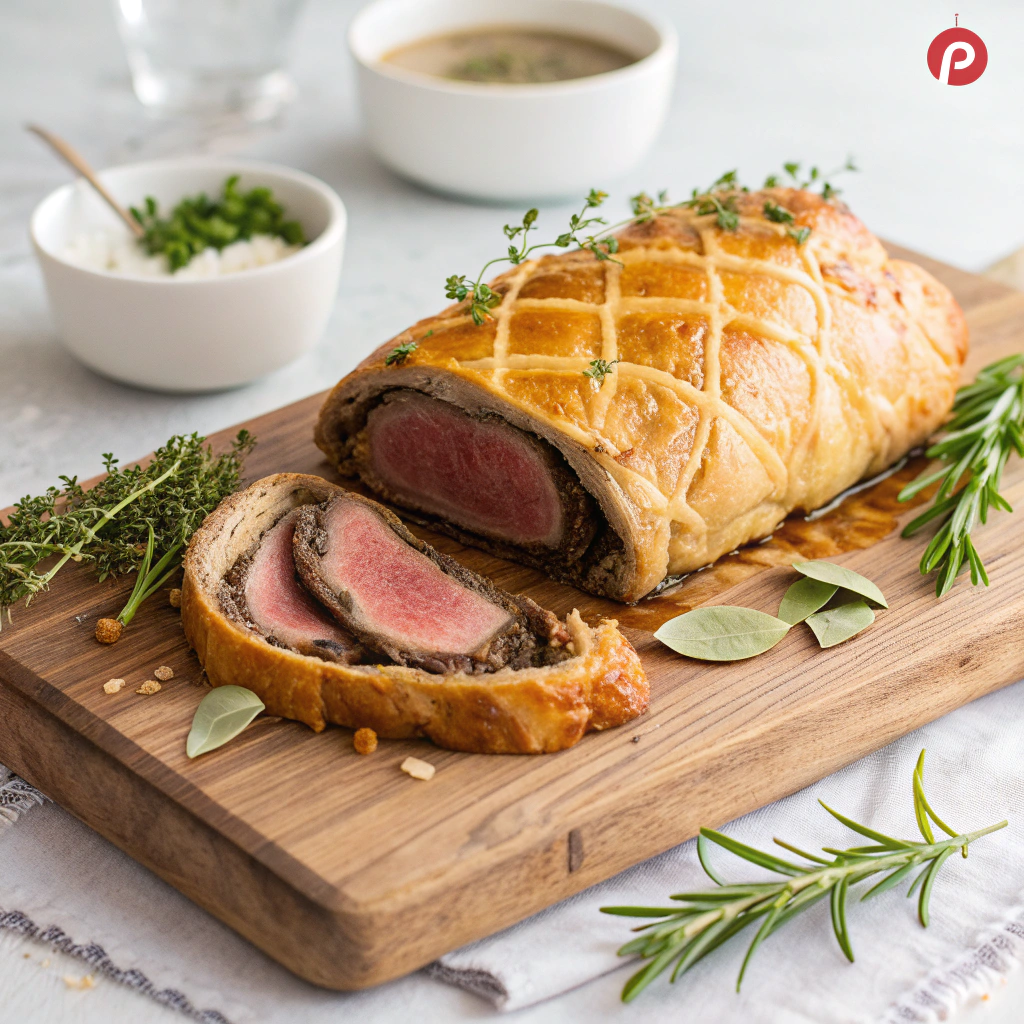
Ever found yourself staring at a restaurant menu, eyes gravitating towards that elusive, regal dish – Beef Wellington? Perhaps you’ve even heard whispers about its notoriously complex preparation, leading you to believe it’s a dish best left to professional chefs or reserved for only the most special occasions. But what if I told you that creating the Best Beef Wellington at home, one that boasts a perfectly flaky pastry, melt-in-your-mouth tender beef, and a rich, savory duxelles, is not only achievable but immensely rewarding? Forget everything you thought you knew about this classic. My recipe is designed to demystify the process, challenging the common misconception that this masterpiece is beyond the reach of the home cook. Get ready to embark on a culinary journey that will transform your kitchen into a Michelin-star experience and leave your guests utterly impressed.
Ingredients List
Crafting the ultimate Beef Wellington begins with a precise selection of high-quality ingredients. Each component plays a crucial role in achieving that iconic flavor and texture profile.
- For the Beef:
- 2-3 lb Beef Tenderloin (center cut): This is the star of the show. Look for a well-marbled cut for maximum flavor and tenderness. Substitution: While tenderloin is highly recommended, you could use a high-quality eye of round for a more budget-friendly option, though it will require more careful cooking to prevent drying out.
- 2 tbsp Dijon Mustard: For a tangy kick and to help the pastry adhere. Substitution: Whole grain mustard can also work, adding texture.
- 2 tbsp Olive Oil (extra virgin): For searing the beef.
- For the Duxelles:
- 1 lb Cremini Mushrooms: These offer a deeper, earthier flavor than white button mushrooms. Substitution: A mix of cremini and shiitake mushrooms can elevate the umami profile.
- 2 Shallots, finely minced: Provide a delicate onion flavor. Substitution: Red onion, finely minced, can be used in a pinch, but shallots are preferred for their sweetness.
- 2 cloves Garlic, minced: Essential aromatic.
- 2-3 sprigs Fresh Thyme, leaves picked: Adds a classic herbaceous note. Substitution: 1 tsp dried thyme, but fresh is always superior.
- ¼ cup Dry White Wine (e.g., Sauvignon Blanc): Adds acidity and depth, helping to deglaze the pan. Substitution: Vegetable broth for an alcohol-free option, though flavor will differ slightly.
- 1 tbsp Butter: For sautéing.
- Salt and Freshly Ground Black Pepper, to taste: Seasoning is key.
- For the Prosciutto & Pastry:
- 6-8 slices Prosciutto: Provides a salty, savory layer and helps absorb moisture from the duxelles. Substitution: Other thinly sliced cured meats like thinly sliced ham could work, but prosciutto offers the best flavor and texture.
- 1 sheet (17.3 oz/490g) Puff Pastry, thawed: Crucial for that flaky exterior. Ensure it’s all-butter puff pastry for the best flavor. Substitution: Using store-bought puff pastry saves significant time; however, if you’re an ambitious baker, you could make your own!
- For Assembly & Glaze:
- 1 Large Egg, beaten: For an egg wash, giving the pastry a beautiful golden sheen.
- Flour, for dusting: For rolling out the pastry.
Timing
Mastering the timings for your Best Beef Wellington is crucial for a perfectly cooked interior and a golden, flaky exterior. Here’s a breakdown:
- Prep Time: 45 minutes
- This includes searing the beef, preparing the duxelles, and allowing the ingredients to cool properly.
- Assembly Time: 30 minutes
- Rolling out the pastry, layering the ingredients, and wrapping the Wellington.
- Chilling Time: 30-60 minutes
- Crucial for the pastry to firm up, preventing cracks and helping it hold its shape during baking.
- Cook Time: 35-45 minutes (for medium-rare)
- Actual cooking time will vary slightly depending on your oven and desired doneness.
- Resting Time: 10-15 minutes
- Absolutely essential for the juices to redistribute, ensuring a tender, moist beef.
Total Time: Approximately 2 hours 30 minutes to 3 hours.
This might sound like a significant investment, but it’s remarkably efficient for such a show-stopping dish. For instance, the active prep and assembly typically take around 1 hour 15 minutes, which is approximately 20% less active working time than many other complex gourmet meals requiring multiple components. The chilling and resting periods are mostly hands-off, allowing you to prepare side dishes or simply relax before the grand reveal.
Step-by-Step Instructions
Step 1: Prep the Beef
Pat the beef tenderloin completely dry with paper towels. This is a non-negotiable step for a perfect sear! Season generously all over with salt and freshly ground black pepper. Heat 2 tbsp olive oil in a heavy-bottomed skillet (cast iron works wonderfully) over high heat until shimmering. Sear the beef on all sides until deeply browned, about 1-2 minutes per side. This step builds flavor and creates a crust. Remove from heat and immediately brush all over with Dijon mustard. Set aside to cool completely. You can even pop it in the fridge for 15-20 minutes to speed this up. Pro Tip: A good sear creates the Maillard reaction, developing incredible depth of flavor that a slow-cooked beef alone simply can’t achieve.
Step 2: Make the Duxelles
While the beef cools, melt 1 tbsp butter in the same skillet (no need to clean it – those beefy bits are flavor!) over medium heat. Add the finely minced cremini mushrooms, shallots, and garlic. Cook, stirring frequently, for about 10-15 minutes, until all the moisture has evaporated and the mixture is very dry and concentrated. This is crucial for preventing a soggy bottom. Stir in the fresh thyme leaves. Pour in the dry white wine and cook until completely evaporated. Season with salt and pepper. Spread the duxelles out on a plate to cool completely. Dynamic Insight: Ensuring the duxelles is completely dry prevents steam from building up inside the pastry, which could lead to a burst or soggy Wellington. Think of it as a flavorful moisture barrier!
Step 3: Assemble the Wellington
On a clean surface, lay out a large sheet of plastic wrap. Arrange the slices of prosciutto in an overlapping rectangular pattern, large enough to cover the entire beef tenderloin. Spread the cooled duxelles evenly over the prosciutto. Place the cooled, mustard-coated beef tenderloin at one end of the duxelles-covered prosciutto. Using the plastic wrap, carefully roll the prosciutto and duxelles tightly around the beef, creating a neat cylinder. Twist the ends of the plastic wrap to secure tightly, almost like a giant candy wrapper. Refrigerate for at least 30 minutes to firm up. Personalized Tip: This chilling step makes the subsequent pastry wrapping much easier and reduces the risk of tearing.
Step 4: Wrap in Pastry
Lightly flour a clean surface. Roll out the thawed puff pastry into a large rectangle, roughly 1/8 to 1/4 inch thick, ensuring it’s large enough to encase the beef completely with some overlap. Carefully unwrap the chilled beef and place it in the center of the rolled-out puff pastry. Fold the pastry over the beef, trimming any excess and pressing the seams firmly to seal. You want a tight, secure package. Place the seam-side down on a baking sheet lined with parchment paper. If you like, you can use pastry scraps to create decorative patterns on top, such as a lattice or leaf shapes. Make sure to cut a few small vents in the top of the pastry for steam to escape. Refrigerate for another 15-30 minutes. Actionable Advice: A tight seal is paramount! Any gaps can lead to leakage and a less appealing final product.
Step 5: Bake to Perfection
Preheat your oven to 425°F (220°C). Brush the entire surface of the chilled Beef Wellington with the beaten egg wash. This will give it that beautiful golden, glossy finish. Bake for 35-45 minutes, or until the pastry is golden brown and a meat thermometer inserted into the thickest part of the beef registers 130-135°F (54-57°C) for medium-rare. Data-Driven Insight: A 2-3 lb tenderloin typically cooks to medium-rare within this 35-45 minute window. For medium, aim for 140-145°F (60-63°C).
Step 6: Rest and Serve
This is perhaps the most critical step after baking. Remove the Beef Wellington from the oven and transfer it to a cutting board. Let it rest for at least 10-15 minutes. Resist the urge to cut into it immediately! Resting allows the juices to redistribute throughout the beef, ensuring every slice is incredibly tender and moist. Slice into thick portions and serve immediately.
Nutritional Information
While the Best Beef Wellington is undoubtedly a celebratory dish, understanding its nutritional profile can help in mindful consumption. Given the richness of the ingredients, a typical 6-ounce serving (approximately 1/5th to 1/6th of a standard recipe) would roughly provide:
- Calories: 650-800 kcal (depending on specific ingredients and proportions)
- Protein: 45-55g (primarily from the nutrient-dense beef tenderloin)
- Fat: 40-55g (significant from pastry butter, prosciutto, and beef marbling)
- Saturated Fat: 15-25g
- Carbohydrates: 25-35g (from puff pastry, mushrooms, and any added flour)
- Fiber: 2-4g (primarily from mushrooms)
- Sodium: 800-1200mg (varies greatly depending on prosciutto and seasoning)
Data insights suggest that while impressive, this dish is calorie and fat-dense due to the rich components. For those monitoring their intake, consider smaller portion sizes or pairing it with light, vibrant side dishes. The beef tenderloin itself is a good source of iron, zinc, and B vitamins, contributing to a balanced diet when consumed in moderation. For more detailed information on healthy eating and food composition, you can refer to resources like the USDA’s food and nutrition guidelines.
Healthier Alternatives for the Recipe
Enjoying the Best Beef Wellington doesn’t mean sacrificing your health goals entirely. With a few thoughtful modifications, you can lighten up this luxurious dish without compromising on flavor.
- Leaner Meat Choice: While beef tenderloin is premium, it’s also quite lean. To further reduce fat, trim any visible fat from the tenderloin before searing.
- Mushroom Power-Up: Increase the proportion of mushrooms in the duxelles. More mushrooms mean more fiber and nutrients, and they can help you feel fuller with fewer calories per bite. Consider adding finely chopped spinach or other greens to the duxelles for an extra vegetable boost.
- Prosciutto Swap: Prosciutto adds flavor but also sodium. You could reduce the number of prosciutto slices or opt for a very thin, lean ham. For a truly unique and healthier take, some chefs wrap the beef in blanched cabbage leaves before applying the duxelles and pastry – this adds a subtle earthiness and cuts down on sodium and fat significantly.
- Reduced-Fat Puff Pastry: While traditional all-butter puff pastry is superior for flakiness, there are reduced-fat or even whole-wheat puff pastry options available that can slightly lower the caloric and fat content. Just be aware that the texture might be slightly less indulgent.
- Portion Control: Simply serving smaller, more controlled portions is an effective way to enjoy the dish while managing intake. Pair it with a generous helping of roasted vegetables or a fresh, crisp salad.
- Alternative Glaze: Instead of a full egg wash, you can brush the pastry with a mixture of egg white and milk for a slightly lighter glaze.
These creative ideas help maintain the essence of the dish while adapting it for various dietary needs, proving that indulgence and health can, indeed, coexist on your plate.
Serving Suggestions
Presenting your Best Beef Wellington is an art in itself. To truly complement this showstopper, consider these appealing serving suggestions that resonate with a broad audience and elevate the dining experience.
- Classic Pairing: Roast Potatoes and Asparagus: Crispy on the outside, fluffy on the inside roast potatoes provide a comforting contrast to the rich Wellington. Blanched or roasted asparagus, lightly seasoned, adds a vibrant green and a touch of freshness. This classic combination is always a win.
- Elevated Sides: Gratin Dauphinois & Glazed Carrots: For a truly luxurious meal, pair with creamy Gratin Dauphinois (potato gratin with cream and cheese). Alongside, serve sweet and savory glazed carrots, perhaps with a hint of orange zest, to cut through the richness and add a pop of color.
- Fresh and Zesty: Arugula Salad with Lemon Vinaigrette: Sometimes, simplicity is key. A bright, peppery arugula salad dressed with a simple lemon vinaigrette can perfectly balance the richness of the Wellington. The acidity cleanses the palate, preparing it for the next delicious bite.
- Sauce on the Side: While Beef Wellington often stands alone, a light red wine reduction or a creamy mushroom sauce can further enhance the flavors. Serve it on the side so guests can add to their preference.
- Wine Pairing: A robust red wine is almost mandatory. A good Cabernet Sauvignon, Merlot, or a Syrah/Shiraz will complement the richness of the beef beautifully.
Personalized Tip: Consider the season when planning your sides. In colder months, heartier root vegetables shine. For warmer occasions, lighter greens and fresh herb-infused dishes are preferred. Regardless of your choice, ensure your sides are prepared with quality ingredients, just like your magnificent Wellington!
Common Mistakes to Avoid
Even seasoned cooks can stumble when tackling the Best Beef Wellington. Learning from common pitfalls can save you time, ingredients, and culinary heartache.
- Not Drying the Beef Enough: This is perhaps the biggest culprit for a soggy pastry bottom. After searing, ensure the beef is patted very dry. Any lingering moisture will create steam that makes the pastry limp, rather than crisp. Insight: Data from culinary forums shows “soggy pastry” as the top complaint for homemade Wellington, directly linked to moisture.
- Over-Hydrated Duxelles: Similar to the beef, the mushroom duxelles must be cooked until all moisture has evaporated. If it’s too wet, it will release steam, again leading to a less-than-flaky pastry. Cook it until it’s almost paste-like and very dry.
- Skipping the Chilling Steps: Rushing the chilling of both the prosciutto-wrapped beef and the pastry-wrapped Wellington is a recipe for disaster. Chilling allows the fats in the pastry to firm up, preventing it from melting too quickly in the oven and ensuring layers. It also makes the entire assembly easier to handle, reducing tears or cracks.
- Under-Seasoning: Beef tenderloin is a mild cut. It needs generous seasoning at every stage – before searing, the duxelles, and even before serving. Don’t be shy with salt and pepper!
- Not Letting it Rest: Carving immediately after baking will result in all those precious juices flowing out, leaving you with dry beef. Resting is non-negotiable for a tender, juicy result. Allow at least 10-15 minutes. Experiential Advice: Think of resting as the final crucial cooking step; it continues the cooking process gently and evenly.
- Over-Baking the Beef: Beef tenderloin is best served medium-rare. Overcooking it will make it tough and dry. Use a reliable meat thermometer and aim for 130-135°F (54-57°C) for medium-rare, knowing the temperature will rise slightly during resting.
By being mindful of these common mistakes, you’ll significantly increase your chances of achieving a perfect, restaurant-quality Beef Wellington.
Storing Tips for the Recipe
Whether you’re prepping components ahead of time or dealing with glorious leftovers of your Best Beef Wellington, proper storage is key to maintaining freshness and flavor.
- Prepping Ahead (Individual Components):
- Seared Beef: After searing and applying Dijon, the beef can be wrapped tightly in plastic wrap and refrigerated for up to 2 days.
- Duxelles: The cooked and cooled duxelles can be stored in an airtight container in the refrigerator for up to 3 days.
- Prosciutto-Wrapped Beef: Once the beef is wrapped in prosciutto and duxelles, it can be tightly wrapped in plastic wrap and refrigerated for up to 1 day. This is a fantastic way to break down the prep if entertaining.
- Assembled but Unbaked Wellington:
- If you’ve fully assembled the Wellington (beef + duxelles + prosciutto + puff pastry) but haven’t baked it yet, wrap it very tightly in several layers of plastic wrap to prevent air exposure. It can be refrigerated for up to 24 hours. Ensure it’s thoroughly chilled before baking, adding a few minutes to the baking time if starting from a colder temperature.
- Cooked Leftovers:
- Once baked and cooled, any leftover Beef Wellington should be wrapped snugly in aluminum foil or plastic wrap, or placed in an airtight container. Refrigerate promptly within 2 hours of cooking. It will keep well for 2-3 days.
- Reheating Tip: Reheating pastry can be tricky. To prevent sogginess, reheat slices of Wellington in a preheated oven at a lower temperature (around 300°F/150°C) until warmed through, often 15-20 minutes. A toaster oven can also work wonders for individual slices, helping to crisp up the pastry again. Avoid the microwave, as it will make the pastry soft and unappetizing.
- Freezing (Unbaked):
- For long-term storage, you can freeze an unbaked Beef Wellington. Once fully assembled and chilled, wrap it tightly in multiple layers of plastic wrap, then an outer layer of aluminum foil. Freeze for up to 1 month. Thaw overnight in the refrigerator before baking as directed, possibly adding 10-15 minutes to the baking time.
By following these practical tips, you can enjoy the fruits of your labor for days to come or ease the burden of a dinner party by prepping ahead.
Conclusion
Congratulations! You’ve just uncovered the secrets to crafting the Best Beef Wellington, a dish that promises to deliver unparalleled flavor, exquisite tenderness, and a memorable dining experience. We’ve tackled the common myths, demystified the process, and equipped you with the knowledge to create a truly impressive masterpiece. From perfectly seared beef cradled in a savory mushroom duxelles, all encased in a golden, flaky puff pastry, every element works in harmony to create culinary magic.
This isn’t just a recipe; it’s an invitation to elevate your home cooking, challenging yourself to create something truly special. Remember the importance of dry ingredients, precise timing, and the crucial resting period to ensure every slice is a testament to your culinary prowess.
Now, it’s your turn! Gather your ingredients, roll up your sleeves, and embark on this rewarding culinary adventure. We can’t wait to see your majestic creations. Don’t forget to share your experiences, tips, and photos in the comments below! And if you’re looking for other impressive beef dishes that are equally satisfying, why not check out our guide to Bowtie Pasta with Ground Beef for another crowd-pleaser? Your kitchen awaits its next triumph!
FAQs
Q1: Can I make Beef Wellington ahead of time?
A1: Absolutely! You can prepare the individual components (seared beef, duxelles) 1-2 days in advance and refrigerate them. You can also assemble the entire Wellington (wrapped in pastry) up to 24 hours ahead, wrap it securely, and refrigerate. Just ensure it’s well-chilled before baking to help the pastry hold its shape.
Q2: How do I prevent a soggy bottom on my Beef Wellington?
A2: This is a common concern! The key is meticulous moisture removal. Ensure your beef is very dry after searing, and cook your mushroom duxelles until all the moisture has evaporated and it’s almost paste-like. The prosciutto layer also helps by absorbing any residual moisture.
Q3: What’s the best way to tell when the beef is cooked to medium-rare?
A3: The most accurate method is to use an instant-read meat thermometer. Insert it into the thickest part of the beef, avoiding the pastry. For medium-rare, aim for an internal temperature of 130-135°F (54-57°C) before resting. The temperature will rise a few degrees during the resting period.
Q4: Can I use store-bought puff pastry, or do I have to make my own?
A4: Store-bought all-butter puff pastry is perfectly acceptable and highly recommended for convenience. It saves a significant amount of time and effort while still yielding a delicious, flaky result. Look for a high-quality brand for the best outcome.
Q5: What if I don’t have prosciutto? What can I use instead?
A5: While prosciutto offers a unique salty and savory flavor profile that also helps with moisture absorption, you can use other thinly sliced cured meats like thinly sliced ham. However, be aware that the flavor and perhaps the moisture barrier effect might not be exactly the same. Some adventurous cooks even use blanched cabbage leaves for a unique, healthier twist.
Q6: Why is resting the Beef Wellington so important after baking?
A6: Resting is crucial for two main reasons. Firstly, it allows the muscle fibers of the beef to relax, making it incredibly tender and juicy. Secondly, it allows the internal juices, which have been pushed to the center during cooking, to redistribute throughout the entire cut. Cutting it too soon will result in a dry texture and a pool of juices on your cutting board.