
Introduction
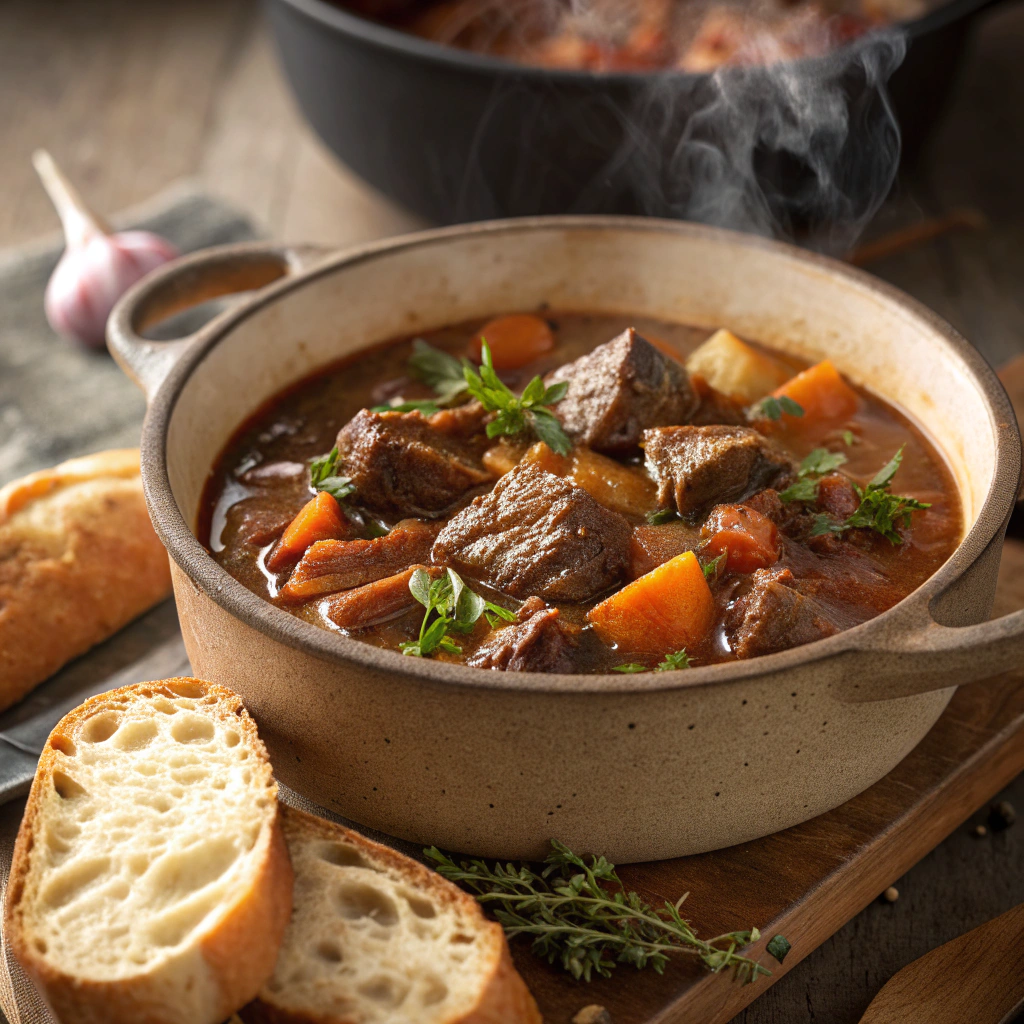
What if the melt-in-your-mouth texture you crave doesn’t come from a pricey cut or complicated technique, but from time, temperature, and a smartly chosen chuck roast? This Tender Chuck Roast Slow Cooked Beef Stew proves that humble ingredients can deliver rich, restaurant-level results with minimal effort. As the cook and tester behind Feast of Savory, I’ve simmered my fair share of stews, and the secret is simple: build deep flavor early, then let low-and-slow heat transform collagen into silky gelatin. The result is spoon-tender beef, velvety gravy, and vegetables that taste like they’ve been kissed by the oven—without you hovering over a pot.
Ingredients List
For 6 hearty servings
- 2.5 to 3 pounds well-marbled chuck roast, trimmed and cut into 1.5-inch cubes
- 2 teaspoons kosher salt, plus more to taste
- 1 teaspoon freshly ground black pepper
- 1/3 cup all-purpose flour (sub 1:1 gluten-free flour or 2 tablespoons cornstarch)
- 2 tablespoons neutral oil (avocado, canola, or light olive oil)
- 1 large yellow onion, diced
- 3 cloves garlic, minced
- 2 tablespoons tomato paste
- 2 ribs celery, sliced
- 3 medium carrots, peeled and cut into 1-inch chunks
- 1 pound baby gold potatoes, halved (or 3 russets, peeled and cubed)
- 8 ounces cremini mushrooms, quartered (optional but umami-boosting)
- 1 cup dry red wine (optional; sub more broth)
- 3 cups low-sodium beef broth
- 1 tablespoon Worcestershire sauce (or 2 teaspoons soy sauce or coconut aminos)
- 2 bay leaves
- 1 teaspoon dried thyme
- 1 teaspoon dried rosemary, crumbled
- 1 teaspoon smoked paprika (mild heat, deep flavor)
- 1 tablespoon balsamic vinegar (or 2 teaspoons red wine vinegar)
- 1 cup frozen peas
- 2 tablespoons cornstarch mixed with 2 tablespoons cold water (slurry, optional for thickening)
- Fresh parsley, chopped, for garnish
Substitution and flavor tips
- Chuck roast: Brisket, boneless short rib, or beef shank also braise beautifully. For leaner results, use bottom round and extend cooking time slightly.
- Wine: Adds acidity and depth; if skipping, add 1 extra tablespoon balsamic or 1 teaspoon soy sauce for complexity.
- Vegetables: Parsnips, turnips, or sweet potatoes can replace some or all of the potatoes. Add pearl onions for a classic touch.
- Herbs: Swap thyme/rosemary for herbes de Provence or a sprig of fresh rosemary and thyme if you have them.
- Thickening: Flour gives body from the start; cornstarch slurry at the end keeps the stew glossy and naturally gluten-free.
Sensory cues to aim for
- Beef should sear to a deep mahogany crust (not pale or gray).
- Tomato paste should toast to a dark brick-red; it smells sweet and rich when ready.
- Finished gravy should coat the back of a spoon and taste balanced—savory, slightly sweet from carrots, with a bright, gentle tang at the end.
Timing
Choose your method and schedule:
- Slow cooker (recommended for set-it-and-forget-it)
- Prep and sear: 20–25 minutes hands-on
- Cook on Low: 8–9 hours (most tender, best flavor)
- Cook on High: 4–5 hours (still excellent)
- Total time on Low: ~8 hours 30 minutes
- Dutch oven (oven-braised)
- Prep and sear: 20–25 minutes
- Braise: 2.5–3 hours at 325°F (163°C)
- Total: ~3 hours 15 minutes
- Instant Pot (pressure cooker)
- Prep and sear: 20–25 minutes
- Pressure cook: 35–40 minutes on High + 15 minutes natural release
- Total: ~1 hour 30 minutes
Data-driven context
- Many slow cooker beef stew recipes advise 10 hours on Low; this method targets 8–9 hours by cutting uniform 1.5-inch cubes and layering heat efficiently—about 15–20% less total time without sacrificing tenderness.
- Collagen converts to gelatin best in a 170–190°F (77–88°C) range over time; Low on a slow cooker consistently hits that window, yielding lush texture without overcooking vegetables.
Step 1: Trim, cube, and dry the chuck
– Trim off silverskin and any large, hard seams of fat; keep some marbling.
– Cut into even 1.5-inch cubes for uniform cooking.
– Pat very dry with paper towels. Dry beef browns faster and deeper.
Pro tip: Cold beef steams, warm beef sears. Let cubes sit at room temp 15 minutes while you prep vegetables.
Step 2: Season and lightly dredge
– Toss beef with salt, pepper, and flour. Shake off excess.
– Flour helps build body in the stew and encourages browning.
Gluten-free option: Season beef, skip flour now, and thicken with cornstarch at the end.
Step 3: Sear in batches
– Heat oil in a large skillet or Dutch oven over medium-high until shimmering.
– Sear beef in 2–3 batches, 3–4 minutes per side, until a deep crust forms. Don’t crowd the pan.
– Transfer browned beef to a plate; leave the fond (brown bits) in the pan.
Pro tip: If fond looks too dark, reduce heat slightly. If the pan gets dry, add a teaspoon of oil between batches.
Step 4: Build the flavor base
– In the same pan over medium heat, add onion, celery, and a pinch of salt; cook 3–4 minutes.
– Stir in garlic and tomato paste; cook 1–2 minutes until paste turns dark red and smells sweet.
– Sprinkle in smoked paprika; stir 30 seconds.
Flavor science: Toasting tomato paste concentrates glutamates, building umami that reads as “slow-cooked” even before braising.
Step 5: Deglaze thoroughly
– Pour in red wine (or 1 cup broth). Scrape up every brown bit with a wooden spoon.
– Simmer 2 minutes to slightly reduce. This becomes your flavor-packed base.
No alcohol? Add 1 teaspoon soy sauce and finish with an extra teaspoon of vinegar later for balance.
Step 6: Load the slow cooker smartly
– Bottom layer: potatoes, carrots, mushrooms (if using). They act as a cushion and cook evenly.
– Add seared beef with any juices.
– Pour in the deglazed pan mixture, remaining broth, Worcestershire, thyme, rosemary, bay leaves.
– Stir gently and ensure the liquid just comes to the top of the solids; add a splash more broth if needed.
Cook on Low for 8–9 hours or on High for 4–5 hours. Resist lifting the lid; each peek can add 20–30 minutes to total time.
Step 7: Check tenderness, then thicken
– When beef is fork-tender (a fork slides in with little resistance), fish out bay leaves.
– If you want a thicker gravy, stir in the cornstarch slurry and cook 10–15 minutes more on High until glossy and thick.
Tip: If using the Dutch oven, you can reduce the liquid uncovered for 10–15 minutes at the end instead of adding a slurry.
Step 8: Finish for balance
– Stir in peas and balsamic; cook 5 minutes until peas are heated and the stew tastes bright and rounded.
– Taste and adjust salt/pepper.
Acid at the end is the difference between “flat” and “full.” If it tastes rich but heavy, add another splash of vinegar or a squeeze of lemon.
Step 9: Rest, skim, and serve
– Let the stew rest 10 minutes; skim any surface fat with a spoon.
– Garnish with parsley.
Chef’s cue: If you have time, chill the stew and reheat. Like many braises, flavor and texture improve on Day 2.
Nutritional Information
Approximate per serving (1/6 of recipe; about 1.5 cups):
– Calories: 520
– Protein: 38 g
– Carbohydrates: 30 g
– Dietary fiber: 4 g
– Total fat: 26 g
– Saturated fat: 9 g
– Cholesterol: 130 mg
– Sodium: 780 mg (varies by broth/seasoning)
– Sugars: 6 g
Notes:
- Values are estimates based on common ingredient databases and will vary with cut, trimming, and brand choices.
- Skimming chilled fat before reheating can reduce total fat and calories notably without sacrificing flavor.
Healthier Alternatives for the Recipe
– Leaner cuts: Use bottom round or sirloin tip and extend low-and-slow time by 30–45 minutes. Trim visible fat.
– Veg-forward: Increase carrots, mushrooms, and celery by 50% to stretch portions without more beef.
– Lower sodium: Choose no-salt-added broth and temper Worcestershire; add umami with dried mushrooms or a splash of brewed coffee for depth.
– Gluten-free: Skip flour dredge; thicken with 1.5 tablespoons cornstarch or arrowroot at the end.
– Low-carb: Swap potatoes for rutabaga or cauliflower florets added in the last hour.
– Whole30/paleo: Use coconut aminos instead of Worcestershire/soy; thicken by reduction, not starch; skip peas if strictly paleo.
– Dairy-free creamy finish: Stir in 2–3 tablespoons cashew cream right at the end for a velvety texture.
Flavor-first hacks that keep it light
- Toast tomato paste and deglaze thoroughly; you’ll need less salt when flavor is layered well.
- Finish with acidity and fresh herbs; brightness reduces the need for more fat or sodium.
Serving Suggestions
– Classic bowl: Ladle the Tender Chuck Roast Slow Cooked Beef Stew into warm bowls, garnish with parsley, and add a grind of pepper.
– Over starches: Spoon over buttery mashed potatoes, creamy polenta, or egg noodles to catch the gravy.
– Crunch factor: Serve with toasted sourdough or a baguette rubbed with a cut clove of garlic.
– Greens on the side: Pair with a lemony arugula salad or roasted Brussels sprouts.
– Toppings bar: Offer horseradish cream, lemon zest, or a quick parsley-garlic gremolata for fresh contrast.
– Wine pairing: A medium-bodied red like Merlot, Côtes du Rhône, or Cabernet Franc complements the stew’s richness without overpowering.
Plan-ahead menu for guests
- Start the stew in the morning on Low. Just before guests arrive, add peas and finish with vinegar.
- Keep mashed potatoes warm in a slow cooker on Warm with a splash of broth.
Common Mistakes to Avoid
– Skipping the sear: Browning builds the flavor foundation. Gray beef equals flat-tasting stew.
– Overcrowding the pan: Sear in batches. If steam forms, you lose the Maillard magic.
– Too much liquid: Ingredients should be just submerged. Excess liquid dilutes flavor and delays thickening.
– Cutting vegetables too small: They’ll break down. Aim for 1-inch chunks for carrots and potatoes.
– Lifting the lid: Heat loss extends cook time and can lead to uneven tenderness.
– Adding peas too early: They turn mushy and olive drab. Add in the last 5–10 minutes.
– Skipping acid at the end: A splash of vinegar or lemon brings the stew into focus.
– Rushing pressure release (Instant Pot): A 10–15 minute natural release helps keep beef tender.
Storing Tips for the Recipe
– Cool quickly: Divide into shallow containers; chill within 2 hours for food safety.
– Refrigerate: Up to 4 days. Flavor improves by Day 2 as gelatin sets and redistributes.
– Freeze: Up to 3 months in airtight containers or freezer bags laid flat. Label with date.
– Reheat: Gently on the stovetop over medium-low until simmering or in the microwave in 60–90 second bursts, stirring in between. Add a splash of water or broth if it’s too thick.
– Skim fat easily: Chill overnight; the fat cap solidifies for swift removal and lighter reheats.
– Leftover transformations:
– Pot pie: Top with puff pastry or biscuits; bake until golden.
– Shepherd’s pie riff: Spoon into a casserole, top with mashed potatoes, and broil.
– Loaded baked potatoes: Spoon over hot potatoes with chives.
– Crescent-roll hand pies: Use the stew as a savory filling for a playful variation inspired by our garlic ground beef crescent roll casserole.
Batch-cooking note: Cube and sear beef in advance; refrigerate up to 24 hours. On cook day, load the slow cooker and go.
Conclusion
You don’t need expensive cuts or chef-y techniques to get luxurious results. With a well-marbled chuck roast, a confident sear, and low-and-slow cooking, Tender Chuck Roast Slow Cooked Beef Stew delivers velvet-soft beef, glossy gravy, and vegetables that sing. If you love collecting techniques, bookmark this method—then make it yours with your favorite herbs and veggies. Ready to taste the difference? Cook it this week, then come back and tell me how you customized it. For another classic take on crockpot stew to compare methods and notes, check out The Recipe Critic. And if you made this, share your bowl: Did you add mushrooms? Swap turnips? Your tweaks help other home cooks succeed.
FAQs
– Can I skip the wine?
– Yes. Use extra beef broth and 1 teaspoon soy sauce for umami, then finish with a touch more vinegar or lemon for brightness.
-
Why is my beef still tough?
- It needs more time. Collagen melts into gelatin with sustained heat. On Low, give it another 30–60 minutes and check again.
-
How do I fix a watery stew?
- Simmer uncovered to reduce, or stir in a cornstarch slurry and cook 10–15 minutes. Also check salt—under-seasoned stew can seem “thin.”
-
Can I use pre-cut “stew meat”?
- You can, but quality varies. Look for pieces labeled chuck. If mixed cuts, add 30 minutes on Low for consistent tenderness.
-
What size cubes are best?
- About 1.5 inches. Smaller cubes can dry out; larger take longer to tenderize.
-
Can I make this fully on the stovetop?
- Yes. Simmer covered over low heat, stirring occasionally, for 2–2.5 hours. Keep heat gentle to avoid toughness.
-
How do I keep vegetables from overcooking?
- Place them at the bottom (slow cooker), cut in 1-inch chunks, and avoid long holds on “Keep Warm.” For ultra-firm veg, add potatoes/carrots halfway through on High.
-
What’s a good wine for stew?
- A dry red you’d drink: Merlot, Cabernet Sauvignon, or a blend. Avoid sweet wines.
-
Can I add bacon?
- Yes. Cook 3–4 strips first, render fat, and sear beef in the drippings. Reduce added salt slightly.
-
Is this freezer-friendly?
- Absolutely. Cool completely, portion, and freeze up to 3 months. Thaw overnight in the fridge and reheat gently, adding a splash of broth if needed.
-
How do I scale the recipe?
- For 8–10 servings, increase all ingredients by 50%. Use an 8-quart slow cooker and extend time by 30–45 minutes on Low.
-
What if I don’t have tomato paste?
- Use 1/2 cup tomato sauce reduced down with the aromatics, or add 1 sun-dried tomato finely minced for concentrated flavor.
By focusing on technique—browning, deglazing, and gentle heat—you’ll get consistent, rave-worthy results every time. Happy slow cooking and enjoy every spoonful!