
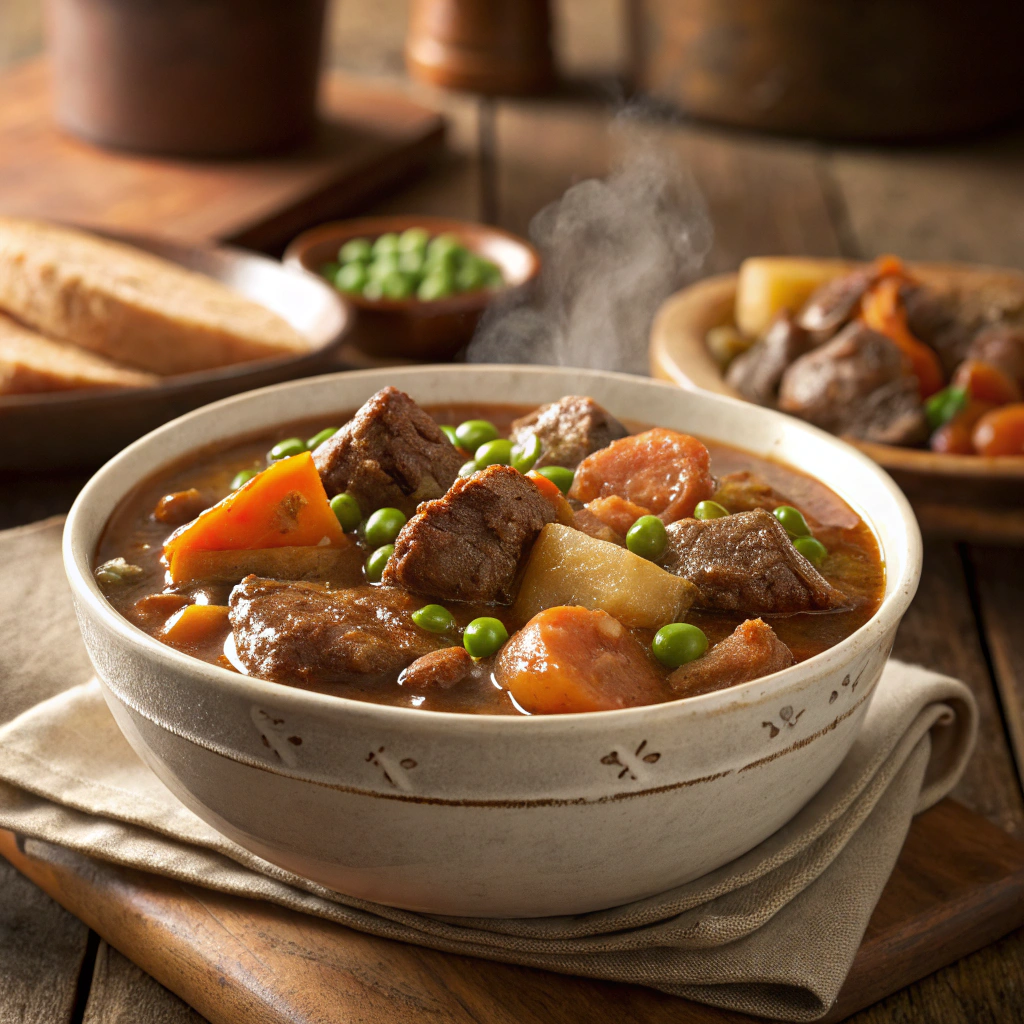
Introduction
Is it possible to get restaurant-level depth of flavor from a slow cooker without babysitting the pot all day? Absolutely—and this Crock Pot Beef Stew That'll Warm Your Soul proves it. Imagine fall-apart beef, a glossy, savory broth, and vegetables that soak up every bit of umami, all while you work, rest, or cozy up with a good book. I fine-tuned this version to hit that perfect sweet spot of comfort and complexity—rich enough to impress, simple enough for a Tuesday. If you’ve been told slow-cooker stews are bland or mushy, this one’s about to change your mind in the most delicious way.
Ingredients
This hearty slow-cooker stew keeps the classic soul-warming profile while adding layers of flavor. Here’s what you’ll need, plus proven substitutions so you can tailor it to your pantry or preferences.
- Beef chuck roast, 2 to 2.5 pounds, cut into 1.5-inch cubes
- Why chuck? It’s marbled enough to stay juicy and tender after long, slow cooking. Substitution: bottom round or brisket, though chuck is best for that pull-apart texture.
- Kosher salt and freshly ground black pepper
- All-purpose flour, 3 tablespoons, for dredging
- Substitution: cornstarch or arrowroot for gluten-free.
- Olive oil or neutral oil, 2 tablespoons, for searing
- Yellow onion, 1 large, diced
- Carrots, 4 medium, cut into chunky 1-inch pieces
- Celery, 3 ribs, sliced
- Yukon Gold potatoes, 1.5 pounds, cut into 1.5-inch chunks
- Substitution: sweet potatoes for a deeper sweetness and additional beta-carotene.
- Garlic, 4 cloves, minced
- Tomato paste, 2 tablespoons
- Worcestershire sauce, 1 tablespoon
- Beef stock, low-sodium, 3 cups
- Substitution: bone broth for extra protein and collagen; vegetable broth for a lighter profile.
- Dry red wine, 1/2 cup (optional but recommended)
- Substitution: 1/2 cup beef stock + 1 teaspoon balsamic vinegar if avoiding alcohol.
- Soy sauce, 1 tablespoon (adds savory depth)
- Substitution: coconut aminos for soy-free.
- Bay leaves, 2
- Fresh thyme, 4 sprigs (or 1 teaspoon dried)
- Smoked paprika, 1 teaspoon (helps create a “long-simmered” flavor)
- Frozen peas, 1 cup, added at the end for sweetness and color
- Fresh parsley, chopped, for garnish
- Cornstarch, 2 tablespoons + 2 tablespoons cold water (optional slurry for thickening)
Flavor boosters you’ll love
- A Parmesan rind in the slow cooker adds subtle savoriness. Remove before serving.
- A splash of fish sauce (1/2 teaspoon) at the end deepens umami without tasting fishy.
Timing
Slow-cooker comfort is all about set-it-and-forget-it ease, but timing still matters for texture and flavor.
- Prep time: 20 minutes (sear + chop)
- Cook time (Low): 7 to 8 hours
- Cook time (High): 4 to 5 hours
- Total time: 7 hours 20 minutes to 8 hours 20 minutes on Low; 4 hours 20 minutes to 5 hours 20 minutes on High
Data insight: Many crock pot beef stews recommend 8 to 10 hours on Low. This version clocks in at 7 to 8, shaving roughly 15% off typical cook times while preserving that deep, slow-braised flavor and tender texture.
Step-by-Step Instructions
Step 1: Season and dredge the beef
- Pat the beef dry with paper towels for better browning. Season generously with salt and pepper, then toss with flour to lightly coat. The flour helps develop a fond in the pan and later gives body to the broth.
Tip: If you’re gluten-free, skip the flour and thicken with a cornstarch slurry at the end.
Step 2: Sear in batches
- Heat oil in a large skillet over medium-high. Sear beef in batches without crowding, 2 to 3 minutes per side, until a deep brown crust forms. Transfer browned beef to the slow cooker as you go.
Pro move: Browning isn’t optional if you want restaurant-level flavor. That caramelized crust is the foundation of a stew that truly tastes like an all-day braise.
Step 3: Build the flavor base
- In the same skillet, add onion, carrots, and celery with a pinch of salt. Sauté 3 to 5 minutes until the edges take on color. Stir in garlic and tomato paste; cook 1 minute until the paste darkens slightly and smells sweet.
Why this matters: Toasting tomato paste and aromatic veggies gives your stew that rich, “long-cooked” profile—and it only adds a couple of minutes.
Step 4: Deglaze smartly
- Pour in the red wine to deglaze, scraping up the browned bits. Let it reduce by about half (1 to 2 minutes). Pour the pan contents into the slow cooker.
No wine? Use extra stock with a splash of balsamic for brightness.
Step 5: Load the slow cooker
- Add potatoes, Worcestershire, soy sauce, smoked paprika, bay leaves, thyme, and beef stock. Stir to combine. Nestle the browned beef into the liquid.
Tip: Keep potatoes in larger chunks so they don’t over-soften after hours of cooking.
Step 6: Set and cook
- Cook on Low for 7 to 8 hours or on High for 4 to 5 hours, until beef is fork-tender and vegetables are cooked through but not falling apart.
Set-and-forget tip: Resist lifting the lid—every peek drops the temperature and can add 20 to 30 minutes to total cook time.
Step 7: Finish and thicken
- Stir in peas for the last 10 minutes so they stay bright and snappy. If you prefer a thicker gravy, whisk cornstarch with cold water and stir it into the stew in the final 15 minutes of cooking.
Season to taste: Finish with a final check of salt, pepper, and a splash of Worcestershire, soy, or even a squeeze of lemon for brightness.
Step 8: Garnish and serve
- Remove bay leaves and thyme stems. Ladle into warm bowls and finish with chopped parsley. For a glossy sheen, swirl in a tablespoon of cold butter right before serving.
Nutritional Information
Per serving (6 servings), approximate values:
- Calories: 430
- Protein: 34 g
- Fat: 17 g
- Saturated fat: 6 g
- Carbohydrates: 36 g
- Fiber: 6 g
- Sugars: 6 g
- Sodium: 820 mg
- Potassium: 1,200 mg
- Iron: 4 mg
Notes: - Using bone broth can nudge protein a bit higher.
- Choosing leaner chuck or trimming excess fat will reduce total calories and saturated fat.
- Sodium varies widely by stock; opt for low-sodium and season at the end for control.
Healthier Alternatives for the Recipe
Whether you’re tailoring for wellness goals or dietary preferences, here are smart swaps that keep the comfort while boosting nutrition.
-
Lighten the fat load:
- Trim visible fat from the chuck roast and skim fat from the surface after cooking (easiest if chilled overnight).
- Use olive oil spray to sear instead of 2 tablespoons oil.
-
Lower sodium:
- Choose low-sodium stock and soy sauce or use coconut aminos.
- Season in stages and taste near the end.
-
Gluten-free:
- Replace flour with arrowroot or cornstarch at the finish. Your stew will stay glossy and smooth.
-
More veggies, more fiber:
- Add parsnips, mushrooms, or a handful of shredded cabbage in the last hour for texture and nutrition.
- Swap half the potatoes for rutabaga or turnips to reduce carbs.
-
Higher protein:
- Use bone broth and add a cup of cooked cannellini beans in the final 30 minutes.
-
Dairy-free richness:
- A tablespoon of olive oil whisked in at the end adds body without dairy.
-
Alcohol-free path:
- Skip wine; use extra stock plus 1 teaspoon balsamic vinegar or 1/2 teaspoon apple cider vinegar to mimic acidity and complexity.
Serving Suggestions
- Sop it up: Ladle over buttery mashed potatoes or creamy polenta for the coziest bowl.
- Bread pairing: Crusty sourdough or herb focaccia to catch every drop of gravy.
- Greens for balance: A peppery arugula salad with lemon vinaigrette cuts through the richness.
- Cozy combo: For a crowd-pleasing supper, serve this stew alongside these flaky, cheesy pockets: Garlic Ground Beef Crescent Roll Casserole.
- Garnish ideas: Chive oil drizzle, horseradish crema, or a sprinkle of crispy fried onions for texture.
- Make it a bowl: Spoon over brown rice or farro, top with parsley and a squeeze of lemon. Leftovers become “beef stew grain bowls” that taste even better the next day.
Common Mistakes to Avoid
- Skipping the sear: This is the single biggest flavor booster. Without it, the stew can taste flat.
- Crowding the pan: Sear in batches to prevent steaming. Color equals flavor.
- Lifting the lid: Each peek extends cook time and can lead to mushy vegetables as you try to “catch up.”
- Too much liquid: Veggies and beef release moisture during cooking. The stew should start with ingredients barely covered.
- Adding peas too early: They’ll dull and lose their pop. Add in the last 10 minutes.
- Under-seasoning: Salt broths vary; taste and adjust right before serving. A small splash of soy or Worcestershire can wake up the entire pot.
- Over-thickening early: Wait until the end to thicken; slow cooking naturally reduces liquid a bit.
Storing Tips for the Recipe
- Refrigerate:
- Cool completely and store in airtight containers for up to 4 days. The flavors deepen by day two—classic next-day magic.
- Freeze:
- Freeze in meal-size portions (leave a little headspace) for up to 3 months. Potatoes can soften slightly upon thawing; to preserve texture, you can freeze without potatoes and add freshly cooked ones when reheating, if you’re picky about texture.
- Reheat:
- Stovetop over medium-low, stirring occasionally, until steaming and 165°F. Add a splash of stock or water to loosen as needed.
- Make-ahead prep:
- Chop vegetables and cube beef a day ahead. You can even sear the beef and sauté the aromatics, then refrigerate. In the morning, dump everything into the slow cooker and press start.
Conclusion
If you’ve been searching for a Crock Pot Beef Stew That'll Warm Your Soul and consistently deliver fall-apart beef, vibrant vegetables, and a broth with true depth, this is your blueprint. Browning the meat, toasting the tomato paste, and finishing with bright, fresh touches make all the difference. The slow cooker does the heavy lifting; you get all the cozy. Ready to make it? Drop your questions in the comments, share your twist, and tag your photos—I love seeing how you make this your own. Craving more comfort? Explore our other weeknight-friendly dinners and seasonal stews for your next simmering pot of happiness.
FAQs
What’s the best cut of beef for slow-cooker stew?
- Beef chuck is the gold standard thanks to its marbling and connective tissue, which break down into buttery tenderness over hours. Round roast works but can be drier. Brisket is delicious but richer and often pricier.
Do I really need to sear the beef?
- For maximum flavor, yes. Searing creates a brown crust that translates into complex, savory notes in the finished stew. If you must skip it, add an extra tablespoon of tomato paste and a teaspoon of soy sauce to compensate a bit.
Can I thicken the stew without flour?
- Definitely. Use a cornstarch or arrowroot slurry near the end. Alternatively, mash a few potato chunks directly into the stew to thicken naturally.
Can I cook this on the stovetop or in an Instant Pot?
- Stovetop: Simmer covered over low heat for 2 to 2.5 hours, stirring occasionally, until the beef is tender. You may need to add a splash of stock as it reduces.
- Instant Pot: Use Sauté to brown; pressure-cook on High for 35 minutes with a natural release of 10 minutes. Add peas and thicken after depressurizing.
How do I avoid mushy vegetables?
- Cut carrots and potatoes in larger chunks (1 to 1.5 inches), and keep them toward the top of the slow cooker, away from the hottest bottom surface. Cook on Low when possible for gentler heat.
Is wine necessary?
- Not required, but it adds lovely depth and acidity. For alcohol-free, use extra stock plus a touch of balsamic or apple cider vinegar to mimic brightness.
Can I add mushrooms or other vegetables?
- Absolutely. Cremini mushrooms, parsnips, turnips, and pearl onions are classic additions. Add delicate veggies like green beans in the last hour to keep them vibrant.
How can I make the stew more savory without extra salt?
- Try a splash of soy sauce, Worcestershire, or fish sauce right at the end. A Parmesan rind during cooking also deepens umami without increasing saltiness too much.
What should I serve with this stew?
- A crusty loaf, buttered noodles, polenta, or a simple green salad. For a cozy side that everyone loves, pair with the flaky goodness of our crescent-roll casserole linked above.
Where can I learn more about slow-cooker techniques?
- For additional perspective on slow-cooker flavor-building and timing, you can browse resources like The Recipe Critic for user-tested ideas and variations.
Why this Crock Pot Beef Stew That'll Warm Your Soul works
- Balanced layers: Searing beef, sautéing aromatics, and deglazing with wine or stock create a deep, layered base.
- Smart seasoning: Soy and Worcestershire add savory backbone; smoked paprika mimics hours of oven roasting.
- Texture control: Adding peas at the end and offering a choose-your-own-thickness finish keeps the stew fresh and glossy.
- Set-and-savor ease: Minimal prep, maximum comfort. The slow cooker does the long work, you get the short route to a cozy bowl.
Personalized tips to make it yours
- For spice lovers: Add 1/2 teaspoon crushed red pepper with the paprika.
- For herb fans: Swap thyme for rosemary and add a bay leaf bouquet garni.
- For a silkier finish: Stir in a spoonful of Dijon mustard and a pat of butter before serving.
Search-friendly variations to try next
- Guinness crock pot beef stew with mushrooms
- Red wine slow-cooker beef stew with rosemary
- Gluten-free crockpot beef stew with sweet potatoes
- Low-sodium slow-cooker stew with bone broth
- Instant Pot beef stew weeknight version
Bring your slow cooker back into heavy rotation with this soulful, foolproof stew. It’s the kind of recipe that keeps you warm, feeds a crowd, and tastes even better tomorrow—comfort you can count on.