
Introduction
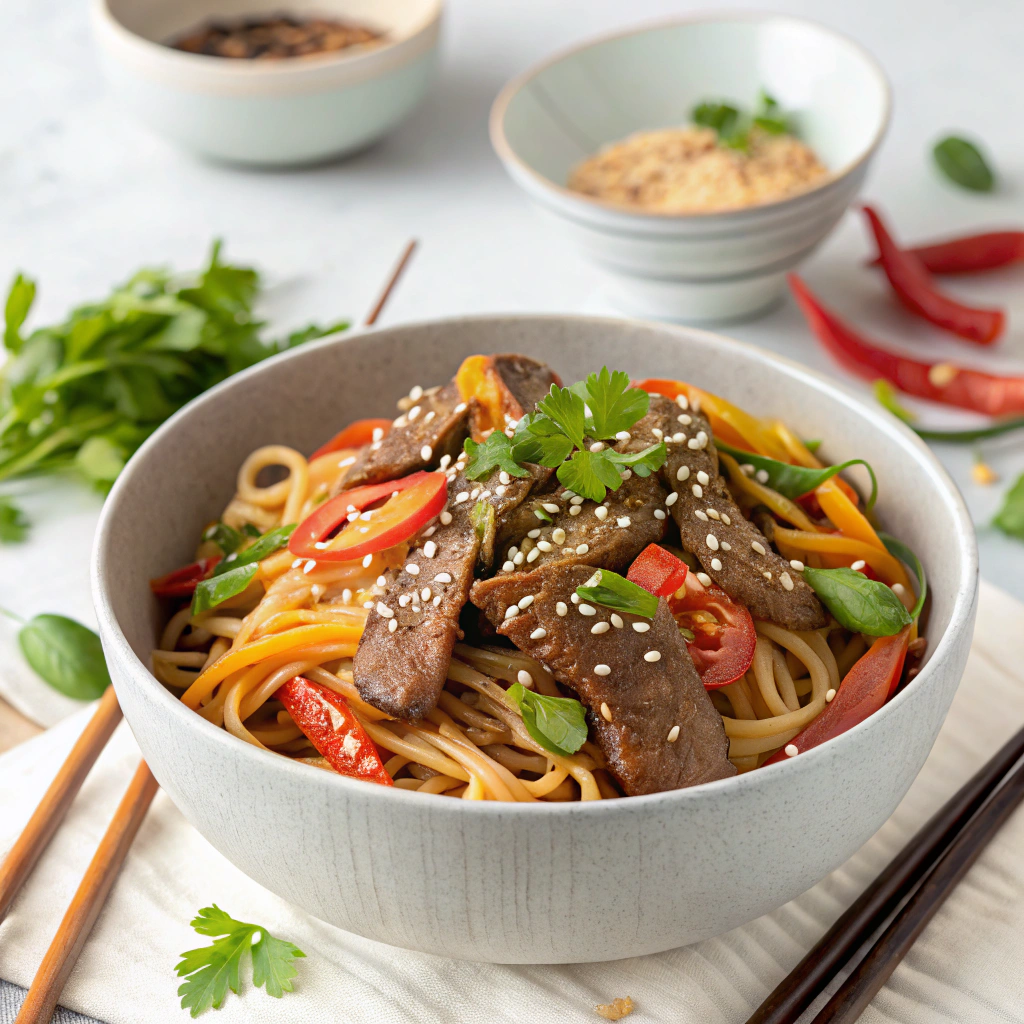
Can a weeknight dinner be fast, feel-good, and still taste like you fussed over it? Sticky Beef Noodles with Vegetables says yes—and then some. This glossy, sweet-savory noodle stir-fry brings restaurant-level flavor to your table in under 25 minutes, with tender slices of beef, bouncy noodles, and a rainbow of crisp-tender veg. The “sticky” magic comes from a quick reduction sauce that clings to every strand and bite, creating that slurpable sheen you crave. If you’ve been told great stir-fry is “too tricky” or only works with a blazing-hot wok, this recipe will pleasantly challenge those beliefs. You’ll learn smart shortcuts, simple technique, and how to adapt the dish to whatever you’ve got in your pantry.
Ingredients List
The ingredients below are organized to help you shop fast and cook even faster. Feel free to mix and match vegetables based on season and what’s in the crisper.
-
Noodles
- 10–12 oz dried wheat noodles, thin egg noodles, or udon
- Substitutions:
- Gluten-free: rice noodles or gluten-free lo mein
- Low-carb: shirataki noodles (stir in at the end to avoid overcooking)
-
Beef
- 12 oz flank steak, sirloin, or flat iron, thinly sliced against the grain
- 1 tsp baking soda (optional, for ultra-tender “velveted” beef)
- 1 tbsp cornstarch (for coating)
- 1 tbsp neutral oil (avocado, canola, or peanut)
- Substitutions:
- Ground beef works in a pinch; brown thoroughly and drain
- Chicken thigh or extra-firm tofu for a different protein profile
-
Vegetables (aim for ~4 cups total)
- 1 cup broccoli florets
- 1 red bell pepper, thinly sliced
- 1 cup snap peas or snow peas
- 1 medium carrot, matchsticked
- 4 scallions, sliced (reserve green tops for garnish)
- 2 cloves garlic, minced
- 1–2 tsp fresh ginger, minced
- Substitutions:
- Bok choy, mushrooms, baby corn, edamame, or zucchini also work well
- Frozen stir-fry mix? Thaw and pat dry for best browning
-
Sticky Sauce
- 1/4 cup low-sodium soy sauce (or tamari)
- 2 tbsp oyster sauce
- 1 tbsp hoisin sauce
- 2–2.5 tbsp brown sugar or maple syrup (to taste)
- 1 tbsp rice vinegar or black vinegar
- 1 tsp toasted sesame oil
- 1/2 tsp chili flakes or 1 tsp sriracha (optional heat)
- 1/2 cup low-sodium beef broth or water
- 2–3 tsp cornstarch (to thicken)
- Flavor boosters (optional): 1 tsp fish sauce, 1/2 tsp white pepper
-
Finishers
- Sesame seeds, scallion greens, lime wedges
- Chili oil, crispy shallots, or a drizzle of honey (for extra gloss)
Sensory notes:
- The sauce should smell toasty from the sesame oil, with a caramel edge from brown sugar and hoisin.
- Vegetables should remain vibrant and crisp—visual color is a cue for perfect doneness.
Timing
– Prep: 10 minutes (15 if slicing beef from scratch)
– Cook: 10–12 minutes
– Total: ~22 minutes
Context: The average from-scratch noodle stir-fry clocks in around 30 minutes. This version typically finishes 25–30% faster because you use a single pan and a premixed sauce. If you pre-slice beef and prep vegetables on meal prep day, you can get dinner on the table in under 15 minutes—faster than most delivery times.
Step 1: Soften the noodles
– Boil noodles in salted water until just shy of al dente (1 minute less than package instructions). Drain and rinse briefly under cool water to halt cooking. Toss with a teaspoon of oil to prevent sticking.
Pro tip: Stir-fry noodles finish cooking in the sauce. Slightly undercooking now ensures perfect texture later.
Step 2: Tenderize and coat the beef
– If desired, sprinkle baking soda over the sliced beef, toss, and let sit 10 minutes; rinse and pat dry. Then coat with 1 tbsp cornstarch and 1 tsp oil.
Why it works: A light cornstarch coat helps sear and locks in juices. Baking soda is optional but helps mimic restaurant-style “velveting.”
Step 3: Whisk the sticky sauce
– In a bowl, whisk soy sauce, oyster sauce, hoisin, brown sugar, vinegar, sesame oil, chili, broth, and cornstarch. Taste and adjust saltiness or sweetness to your preference.
Personalization: For a glossier finish, add an extra 1/2 tsp cornstarch; for a lighter, less sticky glaze, subtract 1/2 tsp.
Step 4: Heat your pan right
– Heat a large wok or 12-inch skillet over medium-high until very hot. Add a thin sheen of neutral oil.
Data-backed tip: Preheating reduces sticking and helps develop flavorful browning in under 90 seconds.
Step 5: Sear the beef fast
– Spread beef in a single layer. Sear 45–60 seconds per side until just browned. Remove to a plate—don’t cook through yet.
Avoid overcrowding: Work in two batches if needed; crowding steams beef and dulls flavor.
Step 6: Stir-fry the aromatics and firm veg
– Add a touch more oil. Stir-fry garlic and ginger 15 seconds, then broccoli and carrots for 1–2 minutes until edges brighten.
Step 7: Add quick-cooking veg
– Toss in bell pepper, snap peas, and scallion whites; stir-fry 1–2 minutes. Vegetables should be crisp-tender with a shine.
Step 8: Make it sticky
– Return beef and any juices. Pour in the sauce, scraping the pan to release browned bits. Stir continuously 60–90 seconds until the sauce bubbles and thickens to a glossy coating that clings to the ingredients.
Troubleshooting: If it’s not thick after 2 minutes at a strong simmer, whisk 1 tsp cornstarch with 1 tbsp water and drizzle in, stirring.
Step 9: Toss in noodles
– Add noodles and gently lift-toss until every strand is lacquered. If it looks tight, splash in 1–2 tbsp water or broth to loosen.
Step 10: Finish and serve
– Turn off heat. Fold in sesame seeds and scallion greens. Taste for balance; add a dash of vinegar or a squeeze of lime to brighten, or a drizzle of honey for extra sheen. Serve hot with chili oil on the side.
Nutritional Information
Approximate per serving (4 servings):
– Calories: 520
– Protein: 28 g
– Carbohydrates: 69 g
– Dietary fiber: 5 g
– Total sugars: 12 g
– Fat: 14 g
– Saturated fat: 3.5 g
– Sodium: 980–1,150 mg (varies by sauces/brands)
– Potassium: ~650 mg
Notes:
- Using low-sodium soy and broth helps keep sodium in check.
- Swapping part of the noodles for extra vegetables can lower carbs by 15–25% per serving.
- The cornstarch glaze contributes minimal fat while boosting satiety via texture and sauce cling.
Healthier Alternatives for the Recipe
– Lower sodium:
– Use low-sodium soy or tamari; dilute with an extra 2 tbsp water and finish with a squeeze of lime for perceived saltiness without extra sodium.
– More fiber:
– Choose whole-wheat noodles or add 1 cup shredded cabbage to the vegetable mix.
– Lower sugar:
– Replace brown sugar with 1–1.5 tbsp monk fruit or allulose; simmer 30 extra seconds to reach the same gloss.
– Gluten-free:
– Use tamari or coconut aminos and rice noodles; confirm oyster and hoisin are gluten-free or replace hoisin with 1 tsp molasses + 1 tsp peanut butter + 1 tsp tamari.
– Low-carb:
– Swap noodles for shirataki or spiralized zucchini; cook zucchini briefly to avoid watering down the sauce.
– Higher protein:
– Increase beef to 1 lb or add a scrambled egg at the end for a lo-mein-meets-fried-rice vibe.
– Vegetarian/vegan:
– Replace beef with crispy tofu or mushrooms. Use vegan oyster-style sauce (mushroom-based).
Serving Suggestions
– Texture boosters:
– Top with toasted sesame seeds, crushed roasted peanuts, or crispy shallots for crunch.
– Fresh finish:
– Lime wedges, cilantro, or Thai basil brighten the sticky-sweet profile.
– Spicy lovers:
– Serve with chili crisp, sambal, or a quick chili-vinegar drizzle.
– Family-style:
– Plate on a large platter with extra steamed greens on the side.
– Protein pairing:
– Add a soft-fried egg, prawns, or a few meatball halves for a “surf-and-turf” bowl.
– Beverage ideas:
– Crisp lager, unsweetened iced tea with lime, or a lightly sweetened ginger spritz complement the caramelized notes.
If you enjoy comfort-classic flavors, you might also love our take on creamy nostalgic plates—try this Classic Creamed Dried Beef Gravy when you’re craving cozy and rich.
Common Mistakes to Avoid
– Overcrowding the pan:
– Sear beef in batches so it browns instead of steams.
– Slicing with the grain:
– Always cut beef against the grain for tenderness.
– Overcooking noodles:
– Slightly undercook before stir-frying to avoid mushy texture.
– Skipping cornstarch on the beef:
– The light coat improves sear and helps the sauce cling.
– Adding sauce too early:
– Reduce with beef and veg first to create the sticky gloss before noodles go in.
– Using cold pan or low heat:
– A properly heated pan prevents sticking and brings quick browning.
– Heavy-handed saltiness:
– Sauces vary in sodium; taste and balance with water or vinegar if needed.
– Neglecting acidity:
– A small splash of vinegar or lime at the end brightens and balances sweetness.
Storing Tips for the Recipe
– Refrigeration:
– Store leftovers in an airtight container up to 4 days. Reheat in a skillet with a splash of water to revive the sauce.
– Freezing:
– The sauce and beef freeze well; noodles can turn soft. Freeze just the cooked beef + sauce base up to 2 months. Add fresh noodles and veg when reheating.
– Make-ahead components:
– Pre-slice beef and portion vegetables up to 48 hours ahead.
– Whisk the sauce and refrigerate up to 5 days; shake before using.
– Meal prep strategy:
– Cook noodles to 80% doneness, toss with a teaspoon of oil, and chill separately. Combine everything fresh in 5 minutes on busy nights.
Conclusion
Sticky Beef Noodles with Vegetables is your proof that fast and deeply satisfying can live on the same plate. The keys are a balanced sauce, high heat, and crisp-tender vegetables that retain color and bite. Whether you’re feeding a crowd or cooking for two with leftovers for lunch, this dish adapts easily to your pantry, your preferences, and your schedule. Ready to make it tonight? Cook it, share your twist in the comments, and tell us which vegetables or noodle shapes stole the show. For more comfort-forward inspiration, browse our savory favorites—and if sticky-sweet sauces are your thing, you might enjoy exploring techniques used in this popular sticky beef noodles recipe as a reference point for variations.
FAQs
– What cut of beef works best?
– Flank, sirloin, or flat iron slice thinly and stay tender. Against-the-grain slicing is essential for chew and texture.
-
Can I use ground beef?
- Yes. Brown 12–16 oz ground beef until deeply caramelized, drain, then proceed with aromatics and sauce. Expect a slightly different, still-delicious texture.
-
My sauce isn’t thickening—what should I do?
- Increase heat to a lively simmer, stir continuously, and add a cornstarch slurry (1 tsp cornstarch + 1 tbsp water). Simmer 30–60 seconds more.
-
How do I keep noodles from clumping?
- Rinse briefly after boiling and toss with 1 tsp oil. Add them to the pan only when the sauce is glossy so they’re immediately coated.
-
What noodles are best?
- Egg noodles, lo mein, or udon excel because they’re sturdy and bouncy. Rice noodles are a great gluten-free option—just avoid over-soaking.
-
Can I make this without oyster sauce?
- Swap with 1 tsp soy sauce + 1 tsp molasses (or a dash of brown sugar) for depth. Mushroom-based vegan “oyster” sauce also works well.
-
How do I adjust the spice level?
- Omit chili for mild. For heat, add chili flakes to the sauce or finish with chili oil. Start small; you can always add more.
-
Will a skillet work if I don’t own a wok?
- Absolutely. Use the largest, heaviest skillet you have to maximize surface area and heat retention.
-
Can I meal prep this?
- Yes. Prep beef, sauce, and veg in advance. Stir-fry fresh in 7–8 minutes flat. For ready-to-reheat lunches, keep the noodles separate and combine during reheating.
-
Any tips for deeper flavor?
- Let the beef brown undisturbed for the first 45–60 seconds. That fond at the bottom of the pan is flavor gold—deglaze with the sauce and scrape it up.
-
How can I make it lighter without losing the “sticky” feel?
- Reduce sweetener by 25% and simmer a bit longer to concentrate naturally. Use extra vinegar and a touch of chili to keep the flavor punchy.
-
Can I add more vegetables?
- Definitely. Add up to 6 cups total; if the pan looks crowded, stir-fry in batches to preserve texture and color.
-
What if my noodles soak up too much sauce?
- Loosen with 2–3 tbsp hot water or broth and toss over medium heat for 30 seconds. Taste and re-balance with a dash of soy or lime.
-
Is there a vegetarian version that still feels hearty?
- Use thick-cut mushrooms (shiitake or portobello) and tofu together. Sear until deeply browned for meaty chew and umami.
By focusing on high heat, precise timing, and a balanced sticky glaze, you’ll consistently pull off Sticky Beef Noodles with Vegetables that taste like a weeknight miracle—quick, customizable, and seriously satisfying.